
Zalto Wine Glasses: At a Glance
Zalto Denk'Art wine glasses are hand-blown in Austria from lead-free crystal and cost between $78 and $85 per glass. They are among the lightest, thinnest wine glasses available anywhere. Many enthusiasts find it difficult to return to heavier stemware after using Zalto. Here is what you need to know before you buy.
- Best All-Rounder — Zalto Denk'Art Universal Glass ($78 per glass). This glass works well for red, white, and sparkling wine.
- Best for Burgundy and Pinot Noir — Zalto Denk'Art Burgundy Glass ($82 per glass). The wide bowl offers exceptional aroma delivery.
- Best Alternative With a Design Edge — Audacem Aequilibrium Wine Glass ($43 per set of 2). The hand-blown lead-free crystal and pivot base aerates wine between pours.
Is Zalto worth it? Yes, for wine drinkers who want the best possible experience from every pour. No, if you host lively parties or need a glass that survives the dishwasher.
What Are Zalto Wine Glasses?
Zalto is an Austrian glassware brand that has been making wine glasses since 1900. The modern Denk'Art series, the line most wine enthusiasts know, launched in the early 2000s. When it did, it quickly became the benchmark for high-performance stemware.
Today, Zalto glasses appear on the tables of Michelin-starred restaurants. They are often seen in the hands of Master Sommeliers and in the cabinets of serious home collectors worldwide.
Every Zalto Denk'Art glass is mouth-blown by hand from a single piece of lead-free crystal. The process produces walls so thin they feel almost weightless. The brand's Universal glass weighs just 2.3 ounces empty.
The bowl shapes take three specific angles: 24°, 48°, and 72°. Zalto describes these as corresponding to the tilt angles of the Earth. It's a claim that sounds mystical but reflects an intentional design philosophy. The angles create a natural swirling motion that aerates wine without any effort from the drinker.
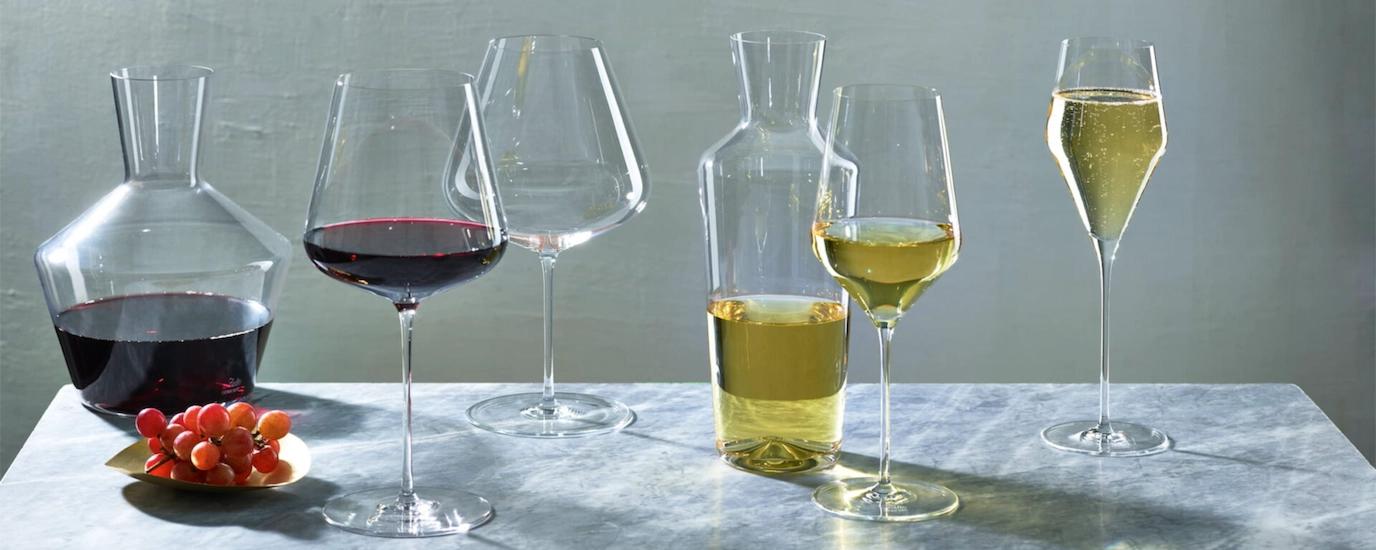
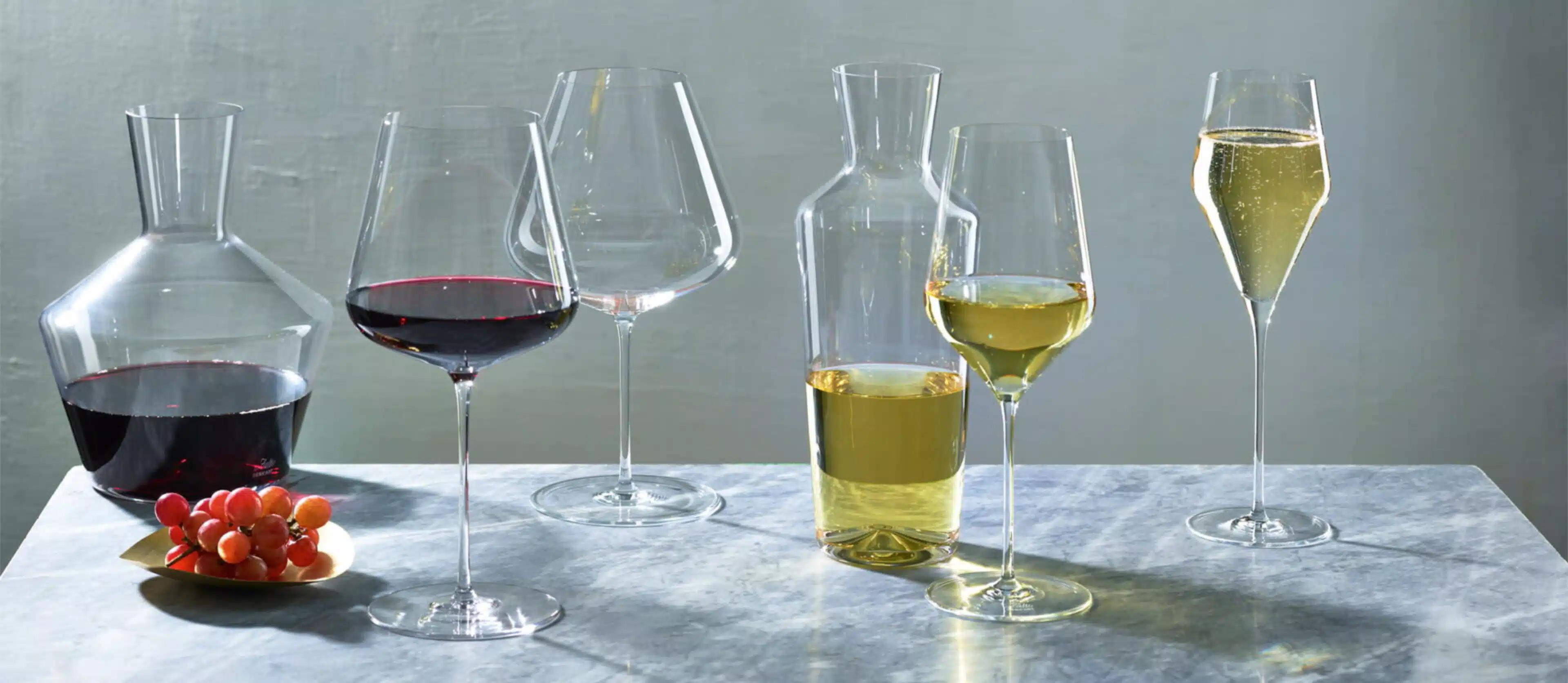
The Denk'Art range includes six shapes: Universal, Bordeaux, Burgundy, White Wine, Champagne, and the newer Balance. Each suits a specific style of wine, though the Universal is the most popular because it performs well across nearly every varietal. This Zalto wine glasses review examines whether the brand's performance justifies its premium price.
The Zalto Denk'Art Lineup
- Universal ($78): 555 ml capacity, 235 mm tall. This is the most versatile shape in the range, suitable for Riesling, Chardonnay, Grüner Veltliner, Chianti, and rosé. The Zalto Universal glass is the go-to choice for anyone who wants one glass that does everything well.
- Bordeaux ($80): 765 ml capacity, 240 mm tall. This glass serves powerful reds, such as Cabernet Sauvignon, Merlot, Shiraz, Tempranillo, and Brunello. The larger bowl maximizes surface area and softens tannins.
- Burgundy ($82): 960 ml capacity, 230 mm tall. The Burgundy is the widest bowl in the range. It handles delicate, aromatic reds like Pinot Noir and Nebbiolo, as well as powerful whites like Chardonnay and Grüner Veltliner.
- White Wine ($76): 420 ml capacity, 230 mm tall. This is a more compact bowl that highlights minerality and freshness. The Zalto White Wine is ideal for Sauvignon Blanc, Riesling, and unoaked Chardonnay.
- Champagne ($78): 250 ml capacity, 240 mm tall. This glass features a classic flute shape that preserves bubbles while highlighting the minerality and structure of sparkling wine.
- Balance ($80): 590 ml capacity, 195 mm tall, with a wide mouth and short conical bowl. The Balance's design suits natural wines, skin-contact whites, and oxidative styles best. It is the newest addition to the range.
*All prices indicated in this article are estimates and may change over time.
Also read: Wine Glass Types: A Complete Guide to Every Style
What Makes Zalto Wine Glasses Different?
Unlike most wine glasses that are machine-made, Zalto glasses are mouth-blown. A glassblower shapes each piece by hand, using breath and gravity to pull the walls thinner than any machine can achieve.
The result is a rim that tapers to less than 1 mm, thin enough that wine flows onto the palate with the glass virtually disappearing. You taste the wine, not the vessel.
The lead-free crystal formulation is also an advantage. Crystal glass has a smoother interior surface than standard soda-lime glass at the microscopic level. This allows aromatic compounds to release more freely, which is why wine smells more expressive in a crystal wine glass than in a standard one.
Zalto's formula is also dishwasher-safe. This is a practical advantage that many hand-blown glasses cannot claim.
The 24°, 48°, and 72° Angles
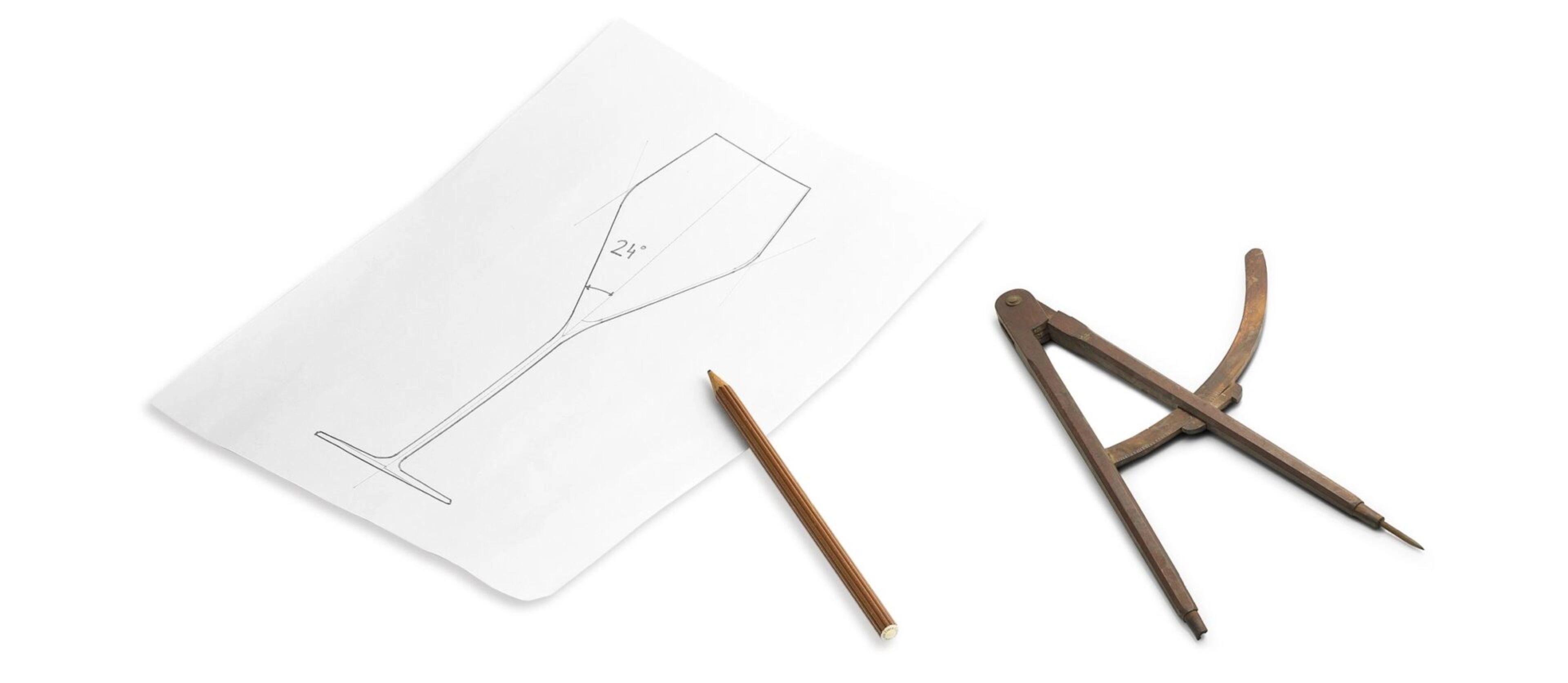
The Zalto glasses' three angles create a shape that encourages wine to swirl naturally as you tilt the glass. This passive aeration opens up aromas without needing to actively swirl (though swirling still helps). The effect is most noticeable with young, tight wines that need air to express themselves.
Wine professionals debate whether the specific angles matter as much as the overall thinness and weight. But there is no debate about the result. The consensus is that wine consistently smells and tastes more expressive in a Zalto.
How Do Zalto Wine Glasses Perform?
Zalto wine glasses perform exceptionally well. They consistently outperform most other stemware in blind tastings conducted by wine professionals.
Serious Eats named the Zalto Denk'Art Universal its top upgrade pick after testing 15 glasses with a panel of sommeliers. They noted its "Michelin-quality" design and ability to capture and release aromas better than any other glass tested.
Wine writer Marissa Ross, initially skeptical, ran a side-by-side comparison of Zalto Universal glasses against every other glass she owned. The Zaltos won every round. "Wine is better from a Zalto," she concluded in Bon Appétit. "I hate to tell you this."
Zalto vs. Riedel: A Direct Comparison
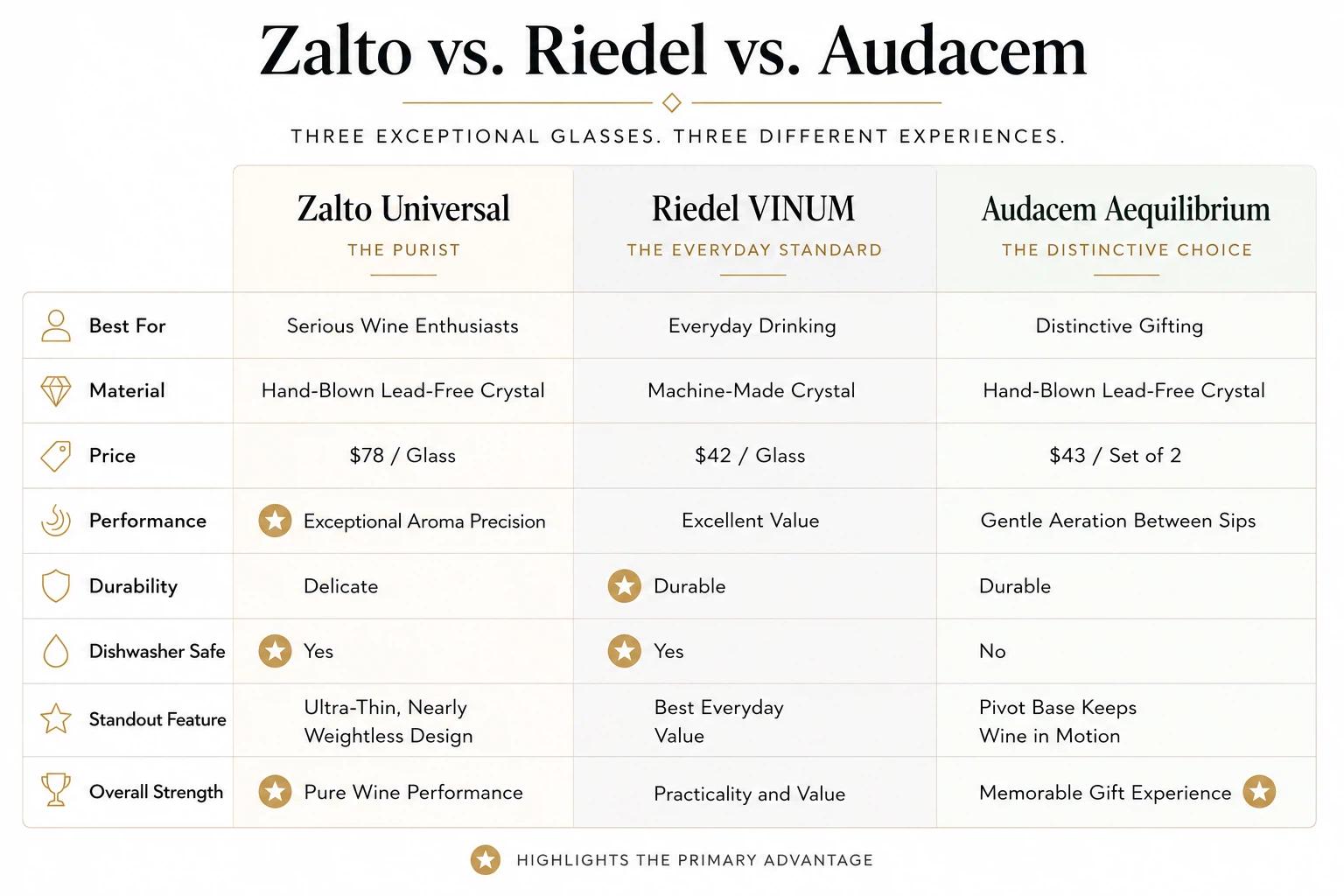
Riedel VINUM is the most common comparison point. At around $42 per glass, it is the benchmark for everyday crystal stemware. It is machine-made, varietal-specific, and often rated by sommeliers as the best value in wine glasses.
The Zalto costs roughly twice as much. In direct comparisons, wine professionals consistently find the Zalto more analytically precise. It reveals more detail, more structure, and more of the wine's individual character.
The Riedel VINUM is more forgiving. It presents wine in a rounder, more approachable way that works well for casual drinking and older bottles that might disintegrate under the Zalto's scrutiny.
- Riedel VINUM ($42/glass). This Riedel line features machine-made crystal with varietal-specific shapes and thin rims. Dishwasher-safe, it is the best everyday wine glass for most people.
- Zalto Denk'Art Universal ($78/glass). This hand-blown, lead-free crystal wine glass is nearly weightless, with an ultra-thin rim and exceptional aroma concentration. It is also dishwasher-safe and considered the benchmark for serious wine drinkers.
The verdict: Riedel wins on value and forgiveness, while Zalto wins on performance and precision.
Also read: Best Riedel Wine Glasses: A Buyer's Guide
Are Zalto Wine Glasses Fragile?
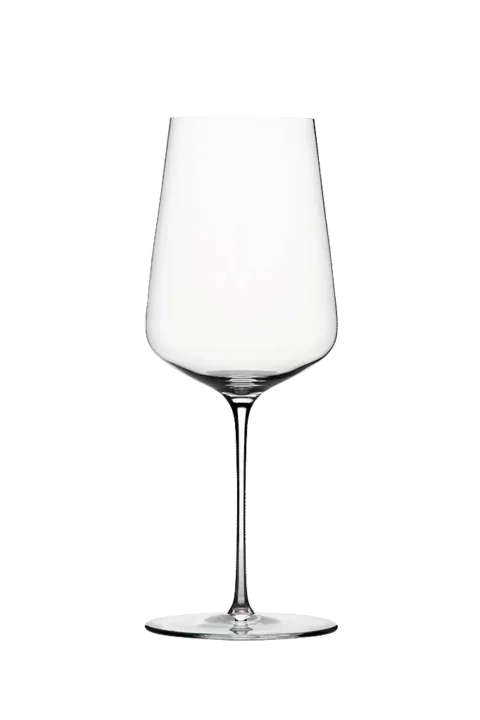
Yes, Zalto glasses are more fragile than machine-made crystal. The same thinness that makes them exceptional to drink from also makes them easier to break.
A light tap against a hard surface can shatter one. Washing them by hand while distracted is a risk. Storing them rim-down on a shelf is not recommended.
That said, Zalto glasses are more durable than they look. The lead-free crystal formula is dishwasher-safe. Many owners report running them through the dishwasher regularly without incident. The base is also substantial and sturdy, making the glass more stable than its delicate appearance suggests.
The secret to keeping Zalto glasses safe is placement. Lay them on the top rack, away from other items, and use a gentle cycle.
The real fragility risk is hand washing. Twisting the stem while holding the bowl is the most common cause of breakage. If you hand wash, hold the glass by the bowl and dry the stem separately, or use a dedicated glass-drying rack.
How To Care for Zalto Wine Glasses
- Dishwasher — Place the Zalto wine glass on the top rack, away from other items, and use a gentle cycle. Top rack, gentle cycles. Many owners prefer this approach to hand washing for safety.
- Hand washing — Use warm water, unscented dish soap, and a soft cloth. Never twist the stem while holding the bowl.
- Drying — Dry immediately with a lint-free microfiber cloth to prevent water spots. Hold the bowl, not the stem.
- Storage — Store upright, not inverted. Leave space between glasses to prevent contact chips. A dedicated stemware rack is worth the investment.
Also read: The Best Crystal Wine Glasses, Reviewed and Ranked
Who Should Buy Zalto Wine Glasses?
Zalto glasses are not for everyone. At $78 to $85 per glass, Zalto pieces represent a real investment, and the fragility means that investment carries genuine risk. The question is not whether they are good, because they are, but whether they are right for you.
Buy Zalto Glasses If
- Wine is a genuine passion
- You open bottles you care about regularly
- You drink in a calm environment where the glasses are not at risk
- You want the best possible experience from every pour.
Skip Zalto Glasses If
- You host large, lively gatherings where glasses get knocked around.
- You have young children or pets.
- You drink wine casually and are not focused on aroma and flavor nuance.
- You want a glass you can replace without wincing.
A practical middle path is to buy two or four Zalto Universal glasses for your best bottles, and keep a set of Riedel VINUM for everyday drinking and entertaining. Many serious wine drinkers use exactly this approach.
Zalto as a Gift
Zalto glasses make an excellent gift for wine enthusiasts who do not already own them. A set of two Universal glasses is a thoughtful choice for a birthday, anniversary, or housewarming. The glasses arrive in simple, elegant packaging and carry a sense of quality that most recipients recognize on first hold.
If the recipient already owns Zaltos, consider a glass with a unique design feature they do not have. The Audacem Aequilibrium Collection is a strong example.
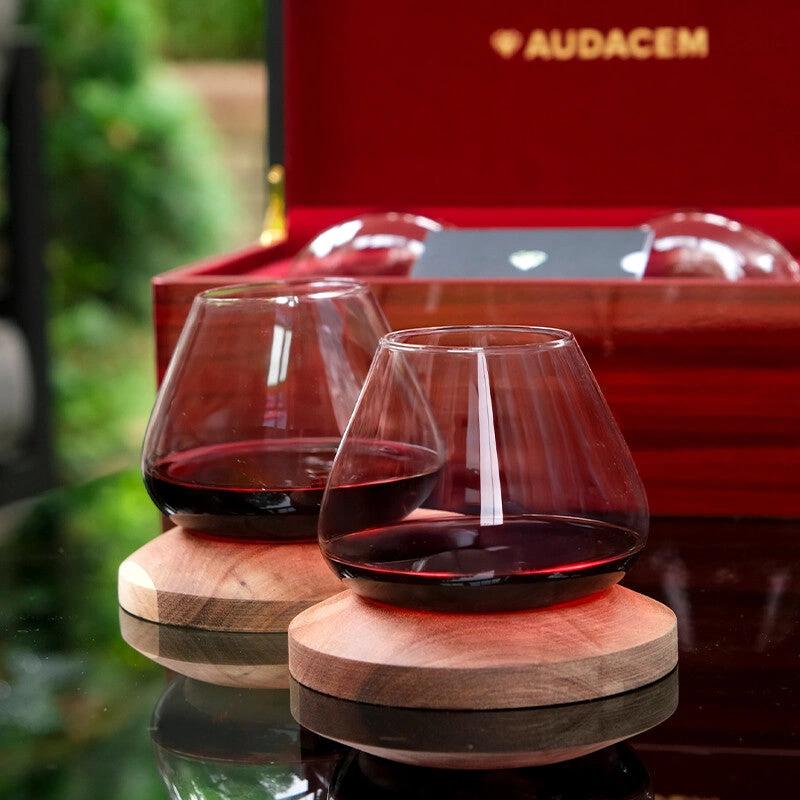
The collection includes wine glasses, spirit glasses, and universal glasses that pair hand-blown lead-free crystal with a pivot base that keeps wine in gentle motion between pours. It is a different kind of performance that impresses wine drinkers immediately.
A Different Take On the Wine Glass
Hand-blown crystal with a pivot base. Designed to keep every pour in gentle motion.
Shop the Aequilibrium CollectionWhere To Buy Zalto Wine Glasses
Zalto glasses are available from several reputable US retailers. Wine Enthusiast carries the full Denk'Art range and is one of the most reliable sources for authentic stock. Amazon lists Zalto glasses from multiple sellers. Check for authorized sellers, as counterfeits have appeared on the platform.
Prices are fairly consistent across retailers. The Universal runs $78 per glass ($156 for a set of two). The Bordeaux $80, the Burgundy $82, and the Champagne $78. Discounts are rare. Zalto does not discount heavily, so significant markdowns on new stock are a warning sign.
Specialty wine retailers like Vins Rare occasionally offer free shipping promotions on orders over $200. If you are buying multiple shapes, consolidating into a single order from one retailer is worth considering.
Which Zalto Shape Should You Start With?
Start with the Universal. It handles red, white, and sparkling wine with equal competence. You can use it for everything while you decide whether to invest in varietal-specific shapes.
If you drink primarily Burgundy or Pinot Noir, the Burgundy glass is worth the upgrade. If you drink primarily Bordeaux-style reds, the Bordeaux shape will serve you better.
Also read: Best Red Wine Glasses, Tested and Reviewed
Frequently Asked Questions
Are Zalto wine glasses worth the money?
Yes, for serious wine drinkers. Zalto glasses consistently outperform most other stemware in blind tastings, delivering more aroma and a more expressive drinking experience. At $78–$85 per glass, they are a real investment, but one that most wine enthusiasts consider justified once they have tried them.
How fragile are Zalto glasses?
They are more fragile than machine-made crystal, but more durable than they look. The lead-free crystal formula is dishwasher-safe. Many owners run them through the dishwasher regularly without incident. The main risk is hand washing. Twisting the stem while holding the bowl is the most common cause of breakage. Store them upright, not inverted, and leave space between glasses to prevent contact chips.
What is the best Zalto wine glass for everyday use?
The Zalto Denk'Art Universal is the best starting point. It works well for red, white, and sparkling wine, which means you can use a single shape for everything. At 530 ml capacity and 235 mm tall, it is large enough to allow proper swirling without being unwieldy. Most wine professionals who own only one Zalto shape own the Universal.
Can Zalto glasses go in the dishwasher?
Yes. Zalto Denk'Art glasses are dishwasher-safe. Place them on the top rack, away from other items, and use a gentle cycle. Many owners find the dishwasher safer than hand washing, where the glass can knock against a counter or snap from twisting pressure. Avoid high-heat drying cycles, which can cause cloudiness over time.
What is the difference between Zalto Universal and Zalto Bordeaux?
The Universal (555 ml) is a versatile all-rounder that works for most wine styles. The Bordeaux (765 ml) has a larger bowl designed specifically for powerful red wines like Cabernet Sauvignon, Merlot, Shiraz, Tempranillo, and Brunello. The larger surface area softens tannins and allows the wine to breathe more fully. If you drink mostly big reds, the Bordeaux is worth the upgrade. If you drink a mix of styles, start with the Universal.
How do Zalto wine glasses compare to Riedel wine glasses?
Zalto glasses are hand-blown and more analytically precise. They reveal more detail and more structure. Riedel VINUM glasses are machine-made and more forgiving. They present wine in a rounder, more approachable way that works well for casual drinking and older bottles. Riedel costs roughly half as much per glass. Most serious wine drinkers own both: Zalto for their best bottles and Riedel for everyday drinking and entertaining.
Are Zalto glasses a good gift?
Yes, for wine enthusiasts who do not already own them. A set of two Zalto Universal glasses is a thoughtful gift for a birthday, anniversary, or housewarming. If the recipient already owns Zaltos, consider a glass with a unique design feature. The Audacem Aequilibrium Collection is a good example, combining hand-blown lead-free crystal with a pivot base that aerates wine between pours.
What is a good alternative to Zalto wine glasses?
For pure performance at a lower price, the Riedel VINUM is the standard recommendation. For a glass that combines hand-blown crystal quality with a unique functional design, the Audacem Aequilibrium Glass Collection is worth considering. For a splurge alternative, the Josephinenhütte Josephine No. 2 (designed by Kurt Josef Zalto) offers a similar level of craftsmanship with a more modern aesthetic.
Shop the Aequilibrium Glass Collection
-
Red WineRegular price From $42.99 USDRegular priceUnit price per
$86.00 USDSale price From $42.99 USDSale -
Spirits & LiquorsRegular price From $39.99 USDRegular priceUnit price per
$80.00 USDSale price From $39.99 USDSale -
WoodRegular price From $38.99 USDRegular priceUnit price per
$78.00 USDSale price From $38.99 USDSale -
 Sold outCeramicRegular price From $33.99 USDRegular priceUnit price per
$68.00 USDSale price From $33.99 USDSold out