

Quick Answer: Which Riedel Glass Is Right for You?
Riedel makes some of the most respected wine glasses in the world. The right collection depends on how you drink, how often, and what you spend. Here is a quick guide by use case:
- Everyday Wine Drinking — The Riedel Vinum collection is the brand's best-selling line for a reason. Machine-made, dishwasher-safe, and varietal-specific, it covers most wine styles at a fair price.
- Special Occasions and Fine Wine — The Riedel Sommeliers collection is mouth-blown by hand, with extraordinarily thin rims. It is the choice for serious collectors and significant wine moments.
- Casual Entertaining — The Riedel O Series (stemless) and the Ouverture collection offer practical durability and easy storage without sacrificing the brand's core design philosophy.
- Premium Everyday Upgrade — The Riedel Veritas and Veloce lines bridge the gap between everyday use and special occasion. Both are lighter and finer than Vinum, yet still dishwasher-safe.
A Different Take on Wine Glassware — If you're looking for something beyond traditional stemware, the Audacem Aequilibrium Wine Glass (from $42.99) offers a distinctive alternative. It combines hand-blown, lead-free crystal with a 360° pivoting base designed to add movement to the wine-drinking experience.
Meet Aequilibrium, a hand-blown crystal wine glass with a 360° pivoting base.
Beyond Riedel: A Self-Aerating Wine Glass
Hand-blown crystal with a pivoting base that aerates wine while it sits on the table.
Shop the Aequilibrium Wine GlassWhy Riedel Wine Glasses Have a Reputation Worth Knowing
Riedel is a glassware company with more than 265 years of history. The Austrian brand has been in the same family for 11 generations. That continuity reflects a consistent commitment to an idea, supported by science. That is, that the shape of a glass changes how wine tastes.
In 1973, Claus J. Riedel introduced the Sommeliers collection, the first varietal-specific stemware line in history. He worked with wine experts to discover how bowl shape and rim diameter affect the way wine reaches the nose and palate. The results were significant enough to change the glassware industry forever.
Today, Riedel produces both hand-blown and machine-made glassware across more than a dozen collections. The range spans entry-level sets under $25 per pair to hand-crafted pieces at $90 or more per glass. Understanding the differences between those collections is the core purpose of this Riedel wine glasses review.
The Riedel Collections: A Complete Breakdown
The wide range of Riedel wine glasses can feel overwhelming at first. The brand offers more than a dozen collections, each with its own design philosophy, price point, and target drinker. Here is a clear breakdown of the most important lines.
Riedel Sommeliers (1973) — The Benchmark
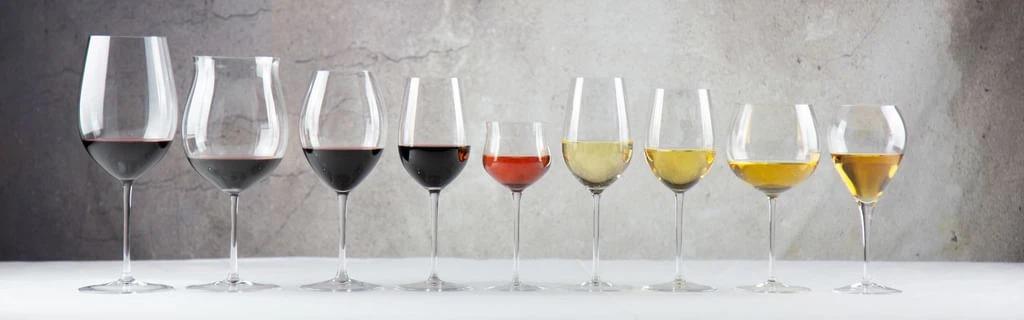
The Sommeliers collection grounds Riedel's reputation. Each glass is individually mouth-blown by master craftsmen. The rims are extraordinarily thin. The bowl shapes cater to specific grape varieties with precision.
The Burgundy Grand Cru glass from this collection is on permanent display at the Museum of Modern Art in New York. At roughly $90 per glass, it is an investment, but many collectors treat these as heirloom pieces.
Best for: Fine wine collectors, special occasions, serious tasting. Hand washing required.
Riedel Vinum (1986) — The Best-Seller
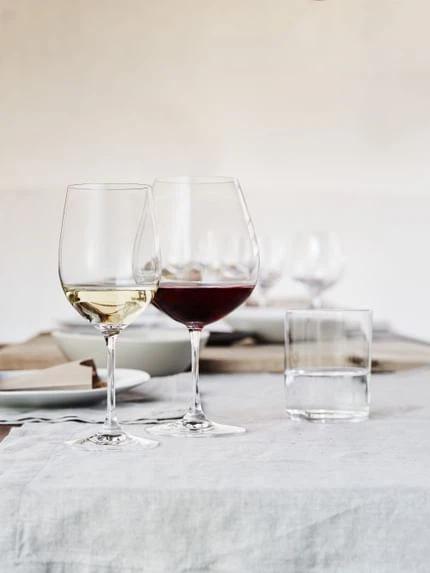
Vinum was the first machine-made varietal-specific glass collection in history. Georg J. Riedel designed it to bring the Sommeliers philosophy to a wider audience at a lower price. It remains Riedel's best-selling collection today, a position it has held for nearly four decades.
The Vinum Cabernet Sauvignon/Merlot glass is one of the most versatile red wine glasses on the market. The Vinum Pinot Noir glass is equally well-regarded. Both are dishwasher-safe and priced around $40–$45 per pair.
Best for: Everyday fine wine enjoyment. The sweet spot between performance and practicality.
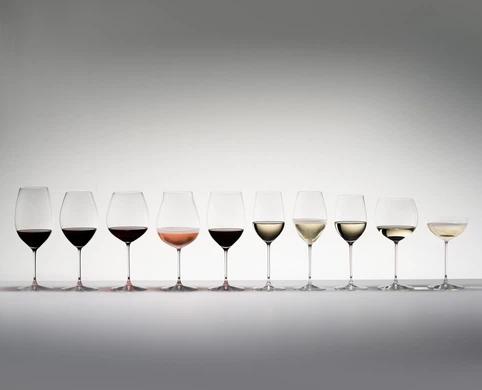
Riedel Veritas (2014) — The Refined Everyday Glass
Veritas stands 15% taller than Vinum and weighs 25% less. Breakthrough production technology allows for thinner walls and finer rims while staying dishwasher safe. The glass approaches the sensory experience of hand-blown crystal without the fragility.
Priced around $45–$50 per pair, Veritas sits just above Vinum. For drinkers who want a more refined everyday vessel without moving to hand-blown crystal, it is the natural next step.
Best for: Drinkers who want everyday luxury. Particularly strong with New World Pinot Noir.
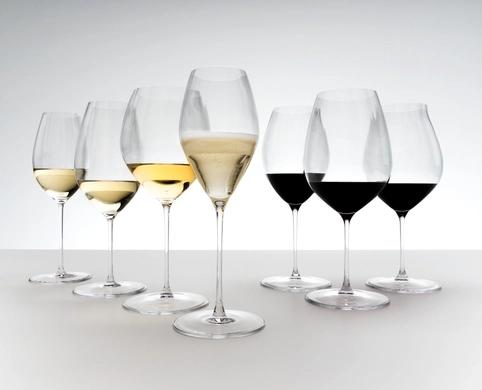
Riedel Performance (2018) — The Aeration Specialist
The Performance collection introduced an optical impact design. The subtle vertical ridges inside the bowl increase the inner surface area. More surface area means more wine-air interaction, which speeds up aeration and intensifies aromatic expression. Riedel calls these glasses the "loudspeakers" for wine.
The textured interior is not decorative. It serves a functional purpose, particularly for younger wines that require faster opening.
Best for: Wine enthusiasts who want maximum aroma development. Excellent with tannic reds.
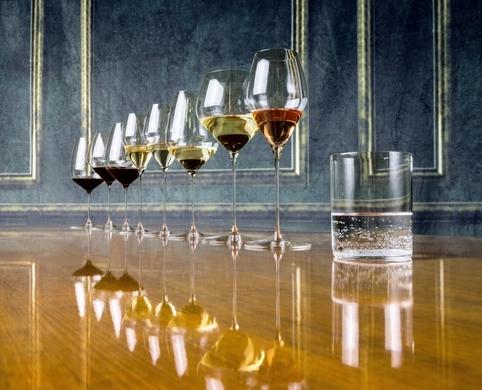
Riedel Veloce (2022) — Machine-Made, Hand-Blown Feel
Veloce is Riedel's most recent achievement in machine production. These glasses look and feel handmade. The stems are thinner, the bowls finer, and the overall profile more elegant than anything the brand's machines previously produced.
The name means "fast" in Italian. It is a nod to the advanced technology that makes this possible.
Best for: Drinkers who want the aesthetics of hand-blown glass with the durability of machine production.
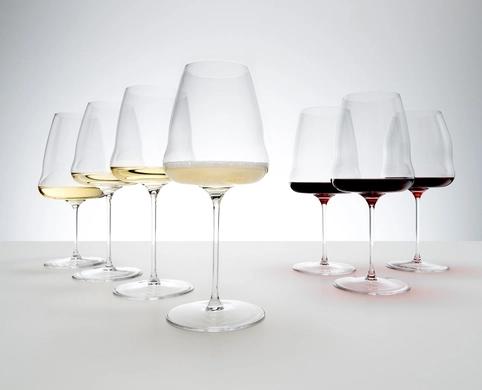
Riedel Winewings (2020) — The Aroma Amplifier
Winewings features a flat, wing-like base that dramatically increases the surface area between wine and air. The effect is similar to decanting. The drinker's nose sits closer to a wider surface of wine, which changes the sensory experience in a noticeable way.
The design is unconventional and tends to polarize opinion. Consider trying a single glass before committing to a full set.
Best for: Wines with complex aromatic profiles. Particularly effective with Cabernet Sauvignon and Syrah.
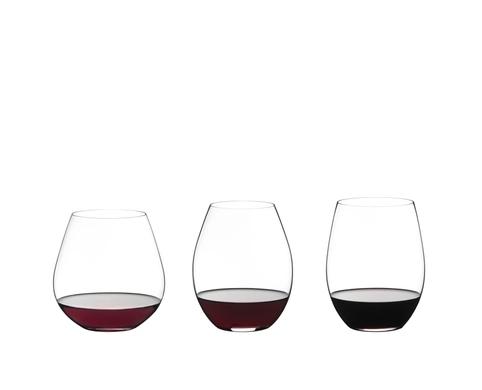
Riedel O Series (2004) — The Stemless Option
The O Series pioneered varietal-specific stemless wine tumblers. The bowl shapes mirror those of the Vinum collection, so the functional design principles remain intact.
The stem is simply removed. This makes them more stable, easier to store, and better suited to casual settings.
Best for: Casual entertaining, outdoor use, and households with limited cabinet height.
Also read: Best Stemless Wine Glasses: A Complete Buyer's Guide
- 2,200+ verified reviews
- Try risk-free for 30 days
- Free shipping over $65
A Different Kind of Wine Glass
If Riedel's collections cover every classic, Aequilibrium takes a different direction with a 360° pivoting base.
Explore AequilibriumBest Riedel Wine Glasses by Wine Type
Riedel's varietal-specific philosophy means there is a glass for almost every major wine style. Here are the strongest picks by wine type.
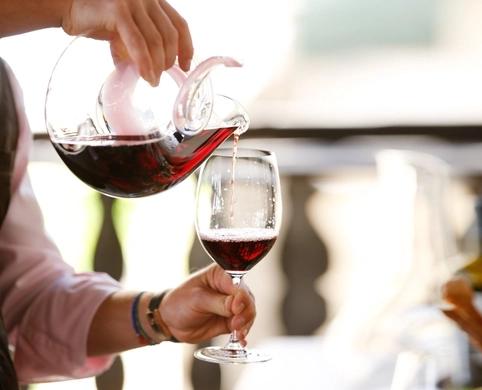
Best Riedel Glass for Cabernet Sauvignon and Merlot
The Riedel Vinum Cabernet Sauvignon/Merlot glass is the most versatile red wine glass in the brand's entire lineup. Its tall, broad bowl aerates full-bodied reds effectively. It directs wine to the back of the mouth, where tannins and fruit balance best. It handles Bordeaux blends, Malbec, and Syrah equally well.
For a step up, the Riedel Veritas Cabernet/Merlot glass delivers the same bowl geometry with a lighter, finer construction.
Also read: Best Red Wine Glasses, Tested and Reviewed
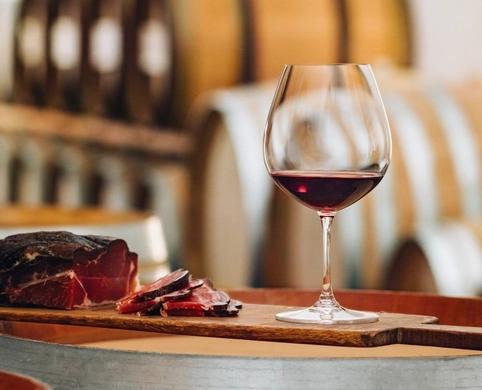
Best Riedel Glass for Pinot Noir
Pinot Noir needs a wide bowl to capture its delicate aromatics and a tapered rim to concentrate them. The Riedel Vinum Pinot Noir glass delivers both. Its generous bowl size directs wine to the sweet-perceiving zone of the tongue. This accentuates the grape's rich fruit and balances its high acidity.
The Riedel Veritas New World Pinot Noir glass is particularly well-regarded for fruit-forward styles from California, Oregon, and New Zealand.
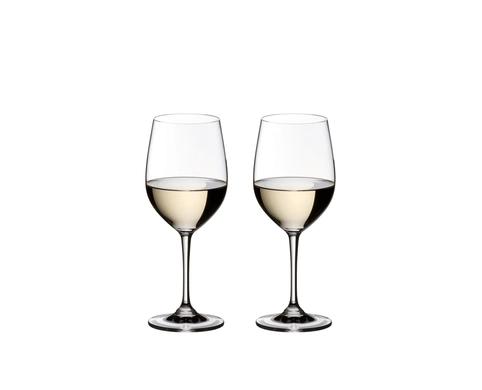
Best Riedel Glass for Chardonnay
The Riedel Vinum Viognier/Chardonnay glass is the standard recommendation for full-bodied white wines. Its medium-wide bowl allows enough aeration for oaked Chardonnay while preserving the wine's freshness.
The Riedel Veloce Chardonnay glass offers a more refined version of the same concept.
Best Riedel Glass for Sauvignon Blanc and Riesling
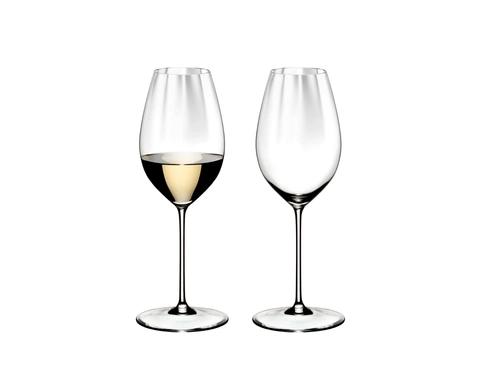
Aromatic white wines need a narrower bowl that preserves their delicate fragrance. The Riedel Performance Sauvignon Blanc glass concentrates the grape's herbaceous and citrus notes effectively.
For Riesling, the Riedel Winewings Riesling glass is a strong choice. Its flat base increases surface area and amplifies the wine's aromatic complexity.
Best Riedel Glass for Champagne and Sparkling Wine
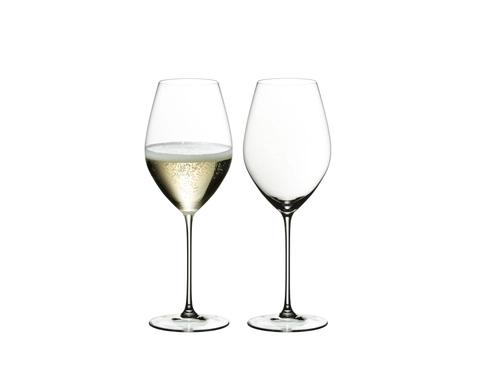
The traditional flute preserves bubbles but limits aroma. The Riedel Veritas Champagne Wine Glass offers a wider bowl that showcases the complexity of premium sparkling wine while still maintaining effervescence.
For those who prefer a flute format, the Riedel Veloce Champagne glass is an elegant option.
Experience Wine Differently
-
Red WineRegular price From $42.99 USDRegular priceUnit price per
$86.00 USDSale price From $42.99 USDSale -
Spirits & LiquorsRegular price From $39.99 USDRegular priceUnit price per
$80.00 USDSale price From $39.99 USDSale -
UniversalRegular price From $42.99 USDRegular priceUnit price per
$86.00 USDSale price From $42.99 USDSale -
Spirits & Red WineRegular price From $110.00 USDRegular priceUnit price per


If they were a gift for me, I'd be delighted. Innovativeness and design are superb, with quality that shines through.
Riedel Wine Glasses vs. Other Premium Wine Glass Brands
Riedel does not operate in isolation. Several other brands compete in the premium wine glass market. Here is how the main alternatives compare.
Riedel vs. Zalto
Zalto is the most frequently cited alternative to Riedel at the premium end. The Austrian brand produces hand-blown lead-free crystal with bowl angles inspired by the Earth's tilt. Zalto glasses are remarkably thin and light. They are also dishwasher-safe, which is unusual for hand-blown crystal.
Zalto's Burgundy glass ($85+ per glass) competes directly with Riedel's Sommeliers line. Many sommeliers prefer Zalto for its lighter weight and more universal bowl shape.
The trade-off is price. Zalto is consistently more expensive than comparable Riedel collections.
Riedel vs. Spiegelau
Spiegelau is a Bavarian brand with roots dating to 1521. It is now owned by Riedel's parent company, which means the two brands share some manufacturing infrastructure. Spiegelau's lead-free crystal is dishwasher-safe and priced competitively, often below Riedel Vinum for comparable shapes.
For drinkers who want quality glassware at a lower price point, Spiegelau is a strong alternative. For those who want the full Riedel varietal-specific system, Riedel's own collections remain the more complete choice.
Riedel vs. Audacem

Riedel's machine-made collections (Vinum, Veritas, Veloce) produce consistent, high-quality results. But machine production has limits.
Wall thickness, rim refinement, and the tactile experience at the lip all fall short of what a skilled glassblower produces by hand. For drinkers who want the vessel itself to form part of the ritual, hand-blown lead-free crystal justifies the step up.
The Audacem Aequilibrium collection, for example, features 100% lead-free hand-blown crystal with a 360° pivot base.
This unique design concept keeps wine in continuous gentle motion. It aerates the wine between sips, enhancing aromatic expression without a separate decanting step.
- Secure payments
- Delivered with care
- Hand-blown by master artisans
One More Stemless Worth Adding to Your Collection
Stemless, hand-blown, and built to aerate every sip. The Aequilibrium from Audacem takes the concept further.
Shop the Aequilibrium CollectionRiedel Wine Glasses: How to Choose the Right Collection

Choosing between Riedel collections comes down to five practical factors. Work through each one and the right choice becomes clear.
1. How Often Will You Use Them?
Daily use calls for durability. Machine-made collections like Vinum, Veritas, and Veloce are dishwasher-safe and built for regular handling. Hand-blown collections like Sommeliers require hand washing and careful storage. Reserve those for occasions where their qualities can be fully appreciated.
2. What Wines Do You Drink Most?
Focus your investment on the glasses designed for the wines you drink most frequently. A Pinot Noir drinker benefits more from a dedicated Burgundy-style bowl than from a general-purpose glass. A Cabernet drinker needs a tall, broad bowl. Riedel's varietal-specific approach rewards this kind of targeted buying.
3. How Much Storage Space Do You Have?
Riedel's taller collections — Veritas, Veloce, Sommeliers — require more cabinet height than standard stemware. Measure your storage space before buying. The O Series stemless glasses and the Ouverture collection are the most storage-efficient options in the lineup.
4. What Is Your Budget?
Riedel covers a wide price range. A rough guide:
- Entry level ($20–$25 per pair): Ouverture, O Series, Wine Friendly.
- Mid-range ($40–$50 per pair): Vinum, Veritas, Performance, Veloce.
- Premium ($80–$90+ per glass): Sommeliers, Superleggero.
5. Do You Want Varietal-Specific or Universal?
Riedel's newer Grape collection (2024) takes a different approach. Instead of 20+ varietal-specific shapes, it offers six glasses that cover everything — red, white, sparkling, and cocktails. It is the brand's most accessible and storage-efficient option. For drinkers who find varietal-specific collections overwhelming, the Grape collection is a smart starting point.
How to Care for Riedel Wine Glasses
Riedel's machine-made collections focus on practical use. A few care habits will extend their life and keep them performing well.
Dishwasher Use
Most Riedel machine-made glasses are dishwasher-safe. Use a gentle cycle with quality detergent and a rinse aid. Keep glasses away from direct contact with metal rack elements to prevent micro-scratches. Avoid high-heat drying cycles, which can cause cloudiness over time.
Hand Washing
For hand-blown collections like Sommeliers, hand washing is essential. Use warm water and a mild detergent. Never twist the bowl against the stem. This is the most common cause of breakage. Rinse thoroughly and dry immediately with a lint-free microfiber cloth to prevent water spots.
Storage
Store glasses upright on their bases rather than inverted on the rim. Rim-down storage concentrates pressure on the most vulnerable part of the glass. Keep glasses in a closed cabinet away from direct sunlight. For tall collections like Veritas or Sommeliers, measure cabinet height before buying.
Polishing
A lint-free microfiber cloth removes water spots and fingerprints effectively. Hold the glass by the bowl and polish in gentle circular motions. For crystal glasses, this step makes a visible difference in how the glass catches light.
Frequently Asked Questions
Are Riedel wine glasses worth the money?
Yes, for most wine drinkers. The Vinum collection, in particular, offers a meaningful improvement over generic glassware at a reasonable price. The varietal-specific bowl shapes affect how wine smells and tastes. Whether the premium collections justify their cost depends on how seriously you engage with wine.
What is the difference between Riedel Vinum and Veritas?
Both are machine-made and dishwasher-safe. Veritas is 15% taller and 25% lighter than Vinum, with thinner walls and a finer rim. The sensory experience is considerably more refined. Veritas costs slightly more, around $45–$50 per pair versus $40–$45 for Vinum.
Can Riedel wine glasses go in the dishwasher?
Most machine-made Riedel collections, like Vinum, Veritas, Performance, Veloce, and O Series, are dishwasher-safe. Hand-blown collections like Sommeliers and Superleggero call for hand washing. Always check the specific collection before putting glasses in the dishwasher.
What is the best Riedel glass for red wine?
The Riedel Vinum Cabernet Sauvignon/Merlot glass is the most versatile red wine glass in the lineup. It handles full-bodied reds from Bordeaux to Malbec well. For Pinot Noir specifically, the Vinum Pinot Noir glass is the stronger choice.
What is the best Riedel glass for white wine?
The Riedel Vinum Viognier/Chardonnay glass is the standard recommendation for full-bodied whites. For aromatic whites like Sauvignon Blanc and Riesling, the Performance Sauvignon Blanc and Winewings Riesling glasses are both strong options.
How do Riedel wine glasses compare to Zalto?
Both are premium brands. Zalto glasses are hand-blown, lighter, and often preferred by sommeliers for their universal bowl shapes. Riedel offers a wider range of collections at more varied price points. Zalto is consistently more expensive. For everyday use, Riedel's machine-made collections offer better value.
Do I need different glasses for red and white wine?
Ideally, yes. Red wine glasses have wider bowls that allow for more aeration and release of complex aromas. White wine glasses have narrower bowls that preserve freshness and maintain cooler temperatures. That said, a universal glass like those in the Riedel Wine Friendly or Grape collections can serve both purposes adequately.
What is a good alternative to Riedel wine glasses?
Spiegelau offers comparable quality at a lower price point. Zalto is the premium alternative preferred by many professionals. For drinkers who want hand-blown lead-free crystal with a unique design, Audacem's Aequilibrium collection delivers a more refined sensory experience. The 360° pivot base passively aerates wine between sips.
Shop the Aequilibrium Glass Collection
-
Red WineRegular price From $42.99 USDRegular priceUnit price per
$86.00 USDSale price From $42.99 USDSale -
Spirits & LiquorsRegular price From $39.99 USDRegular priceUnit price per
$80.00 USDSale price From $39.99 USDSale -
UniversalRegular price From $42.99 USDRegular priceUnit price per
$86.00 USDSale price From $42.99 USDSale -
Spirits & Red WineRegular price From $110.00 USDRegular priceUnit price per