
At a Glance: Best Red Wine Glasses by Use
The best red wine glasses share three defining traits: a wide bowl, a thin rim, and a stem that keeps body heat away from the wine. Here is a quick guide by drinking style:
- Special Occasions and Fine Wine. Hand-blown lead-free crystal wine glasses, such as the Audacem Aequilibrium Wine Glass (from $42.99), deliver the clarity, weight, and aromatic performance that machine-made options cannot copy.
- Everyday Use. A universal lead-free crystal wine glass with a 16–20 oz bowl suits most red varietals. Riedel VINUM Bordeaux Grand Cru and Schott Zwiesel Pure Cabernet offer dishwasher-safe durability with genuine crystal performance.
- Bordeaux and Cabernet Sauvignon. A tall Bordeaux wine glass with a 20–24 oz bowl softens tannins and directs wine toward the back of the palate.
- Pinot Noir and Burgundy. A wide, balloon-shaped Burgundy wine glass captures delicate aromatics and gives lighter reds the room they need to open fully.
One tilt, and the Aequilibrium opens up every aroma.
A Wine Glass With a Pivoting Base
Discover a hand-blown crystal wine glass with a pivoting base designed to make every pour feel special.
Experience the Aequilibrium Wine GlassWhy the Shape of Your Glass Changes What You Taste
Research published by the U.S. National Library of Medicine confirms that vessel shape influences aroma perception. Wider bowls, for example, increase surface area and speed up oxygen contact. This allows tannins to soften more readily, producing a rounder, more expressive drinking experience.
The bowl controls how much oxygen reaches the wine and how aromatic compounds gather at the opening. The rim then guides the flow of the wine onto the palate, either cleanly or with friction. Meanwhile, the stem separates the drinker's body heat from the bowl, preserving temperature. This is a matter of science, not preference.
Best Red Wine Glasses by Type
These picks consider material quality, bowl design, durability, balance, value, and ease of care. However, the best choice still depends on an individual's drinking style and what the occasion calls for.
*Prices indicated are estimates and may change over time.
Special Occasions: Hand-Blown Lead-Free Crystal
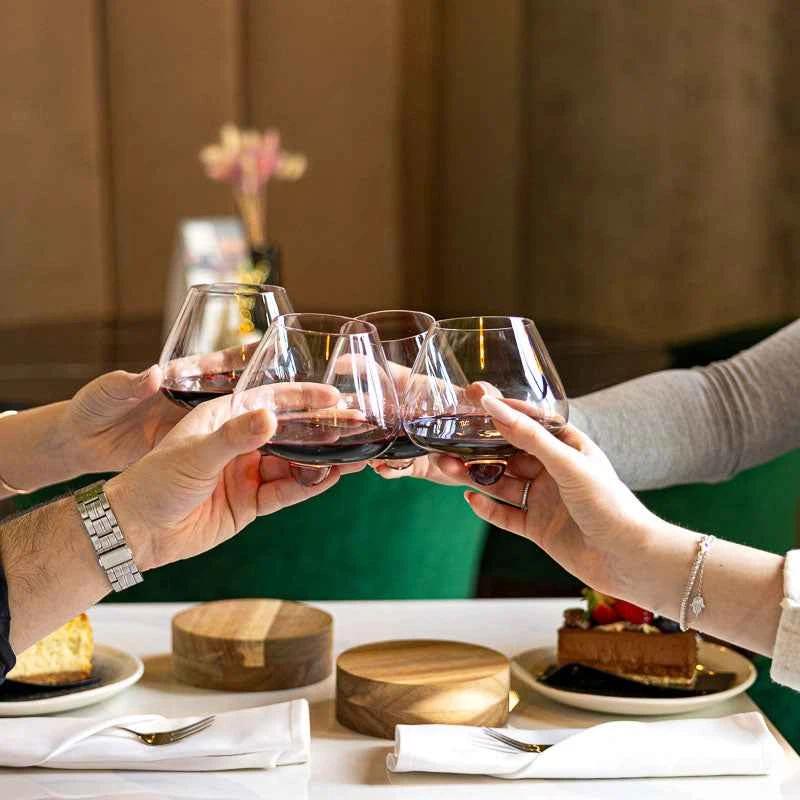
Hand-blown crystal occupies a distinct category. Skilled artisans shape each glass individually, creating a lighter and more refined result. The resulting thinness, clarity, and balance reflect that process. These glasses present wine differently, and they elevate the experience of drinking it.
The Audacem Aequilibrium Wine Glass extends this principle with a 360° pivot base.
The design keeps wine in gentle rotational motion between sips, aerating it naturally. Made from 100% lead-free crystal and five years in development, it delivers the full aromatic profile of the wine without a separate decanting step.
$42.99 for a set of 2 glasses (regularly $86)
Also read: Audacem Aequilibrium Wine Glass: A Spinning Wine Glass Experience
- 2,200+ verified reviews
- 30-day warranty
- Free shipping over $65
Elevate Every Pour
The Aequilibrium Collection brings hand-blown lead-free crystal to every red wine moment.
Shop the Aequilibrium Wine GlassBordeaux and Cabernet Sauvignon: The Tall Bordeaux Wine Glass
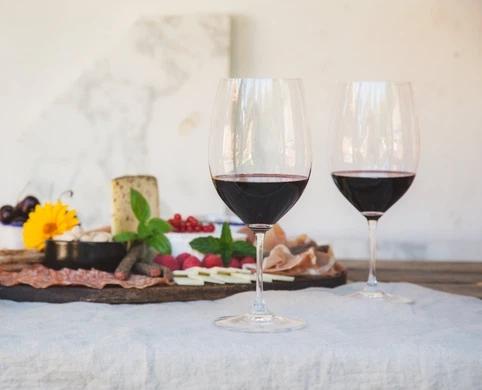
A Bordeaux glass directs wine toward the back of the mouth, where the palate registers tannins with less intensity. This makes full-bodied, high-tannin reds like Cabernet Sauvignon, Merlot, and Malbec taste smoother and more integrated.
The tall bowl provides enough room for the wine to breathe. This is particularly useful for younger vintages that benefit from more oxygen exposure. The ideal capacity sits between 20 and 24 oz, with a bowl that tapers gently toward the rim.
The Riedel VINUM Bordeaux Grand Cru represents reliable value in this category. It features machine-made lead-free crystal at an accessible price point with consistent performance. ($20–$30 per glass)
For a handcrafted option at the upper tier, consider the Zalto Denk'Art Bordeaux. It combines a tall, angular bowl with whisper-thin walls and exceptional balance. ($55–$65 per glass)
Pinot Noir and Burgundy: The Wide Burgundy Glass
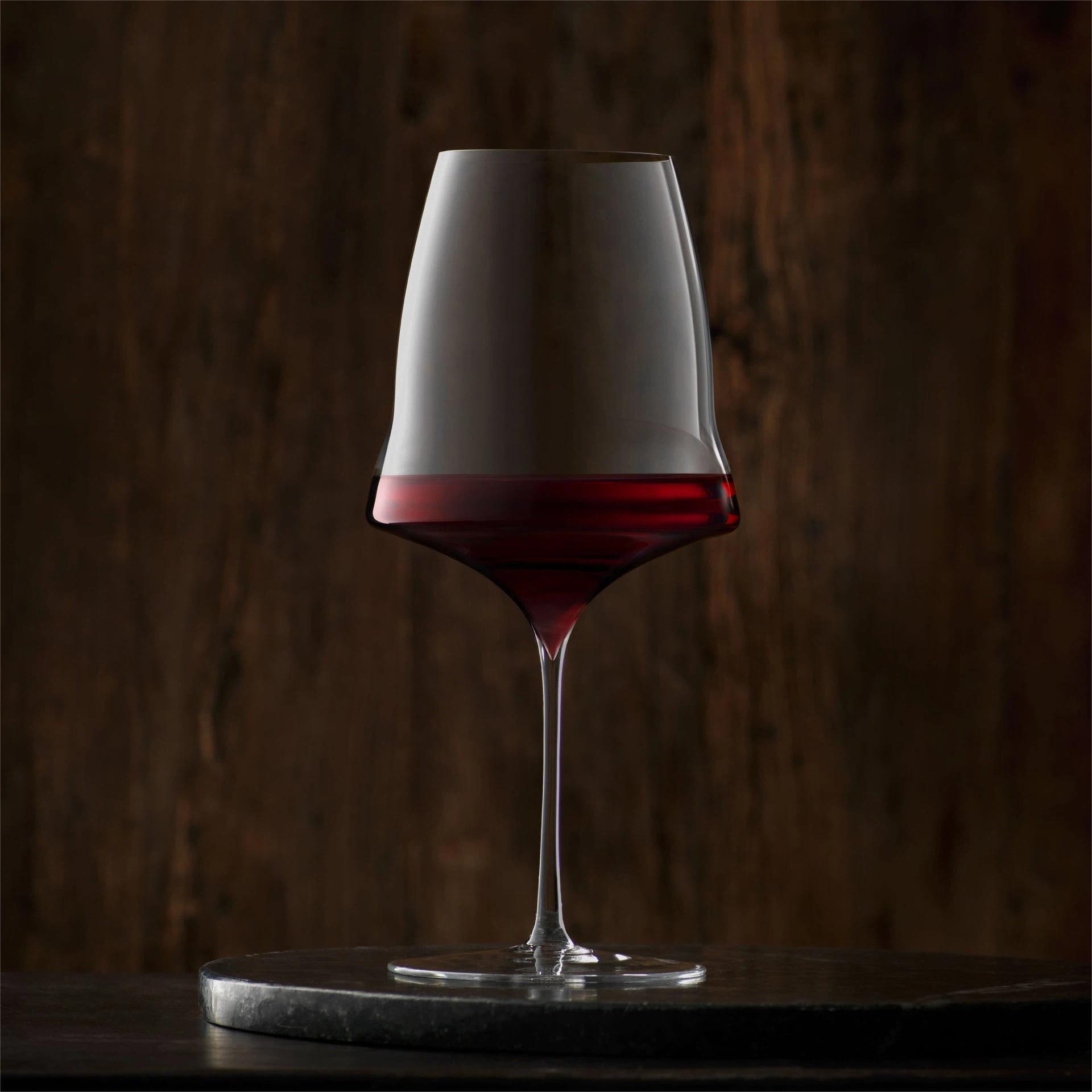
Pinot Noir ranks among the most aromatic red varietals. The wide, balloon-shaped Burgundy glass exists specifically to honor that quality.
Its large opening allows the nose to enter fully. It amplifies the delicate fruit and earthy notes that define the varietal's character. The same format serves Gamay, Nebbiolo, and other lighter, aromatic reds equally well.
The Schott Zwiesel Pinot Noir Glass offers Tritan crystal construction with proven dishwasher durability. It is a sound choice for regular use. ($25–$35 per glass)
For a more refined option, consider the Josephinenhütte Josephine No. 3. It features hand-blown Bavarian crystal with a thin wall and a bowl shape refined over generations of glassmaking tradition. ($70–$80 per glass)
Everyday Use: The Universal Red Wine Glass
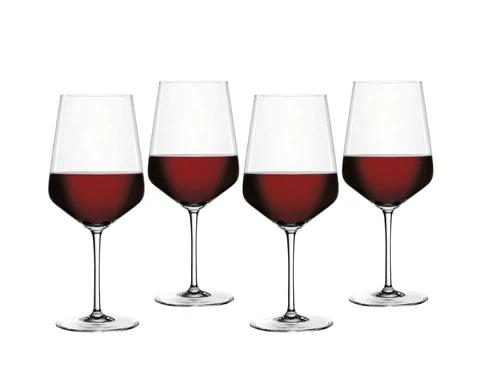
A universal glass handles a wide range of red wine styles. The ideal bowl holds 16–20 oz with a moderate taper. It should be wide enough to encourage aeration and narrow enough to concentrate aromatics at the rim.
This format suits households that move across a range of styles. For many enthusiasts, universal designs represent the best red wine glasses for everyday use.
The Spiegelau Style Red Wine offers machine-made lead-free crystal and versatility at a practical price. ($12–$18 per glass)
For a step up in refinement, Gabriel-Glas StandArt has developed a strong following. Sommeliers and wine educators appreciate its single-glass philosophy and well-proportioned bowl geometry. ($30–$40 per glass)
Best Red Wine Glasses by Occasion

Certain glasses suit certain occasions better. Depending on your lifestyle and usual events, you may find particular wine glasses more helpful.
Weeknight and Casual Drinking
A durable, dishwasher-safe crystal glass handles everyday reds from Beaujolais to mid-weight Merlot. The Schott Zwiesel Tritan Crystal Pure Cabernet combines genuine Tritan crystal performance with machine-washable practicality. It is a sensible anchor for the everyday cabinet. ($15–$25 per glass)
Dinner Parties and Entertaining
Hosting calls for a glass that communicates care. A varietal-specific glass signals attention to detail that guests notice. Choose a Bordeaux shape for a Cabernet-led dinner, or a Burgundy shape for a Pinot-focused evening.
The Zalto Denk'Art Universal performs across red, white, and sparkling wine styles. It is a versatile choice for mixed-menu entertaining while maintaining elegance. ($55–$65 per glass)
Wine Tastings and Cellar Evenings
Evaluating a wine seriously deserves a glass that removes as much interference as possible. Choose a glass with thinner walls and more refined construction. Such features allow the wine to express itself fully and avoid any perceptible weight or edge.
At this level, the distinction between a $20 glass and a $75 glass registers clearly in the wine itself.
Gifting
A curated set of lead-free crystal glasses ranks among the most enduring gifts for wine enthusiasts. The Audacem Aequilibrium Wine Glass suits this purpose well.
The combination of hand-blown Italian-tradition crystal and the unique aerating design gives the recipient something they are unlikely to have encountered before. The presentation matches the quality of the glass.
Experience Wine Differently
-
Red WineRegular price From $42.99 USDRegular priceUnit price per
$86.00 USDSale price From $42.99 USDSale -
Spirits & LiquorsRegular price From $39.99 USDRegular priceUnit price per
$80.00 USDSale price From $39.99 USDSale -
UniversalRegular price From $42.99 USDRegular priceUnit price per
$86.00 USDSale price From $42.99 USDSale -
Spirits & Red WineRegular price From $110.00 USDRegular priceUnit price per


Very good quality, and a surprise when guests see me pouring wine in the moving glass.
What to Look for in a Red Wine Glass
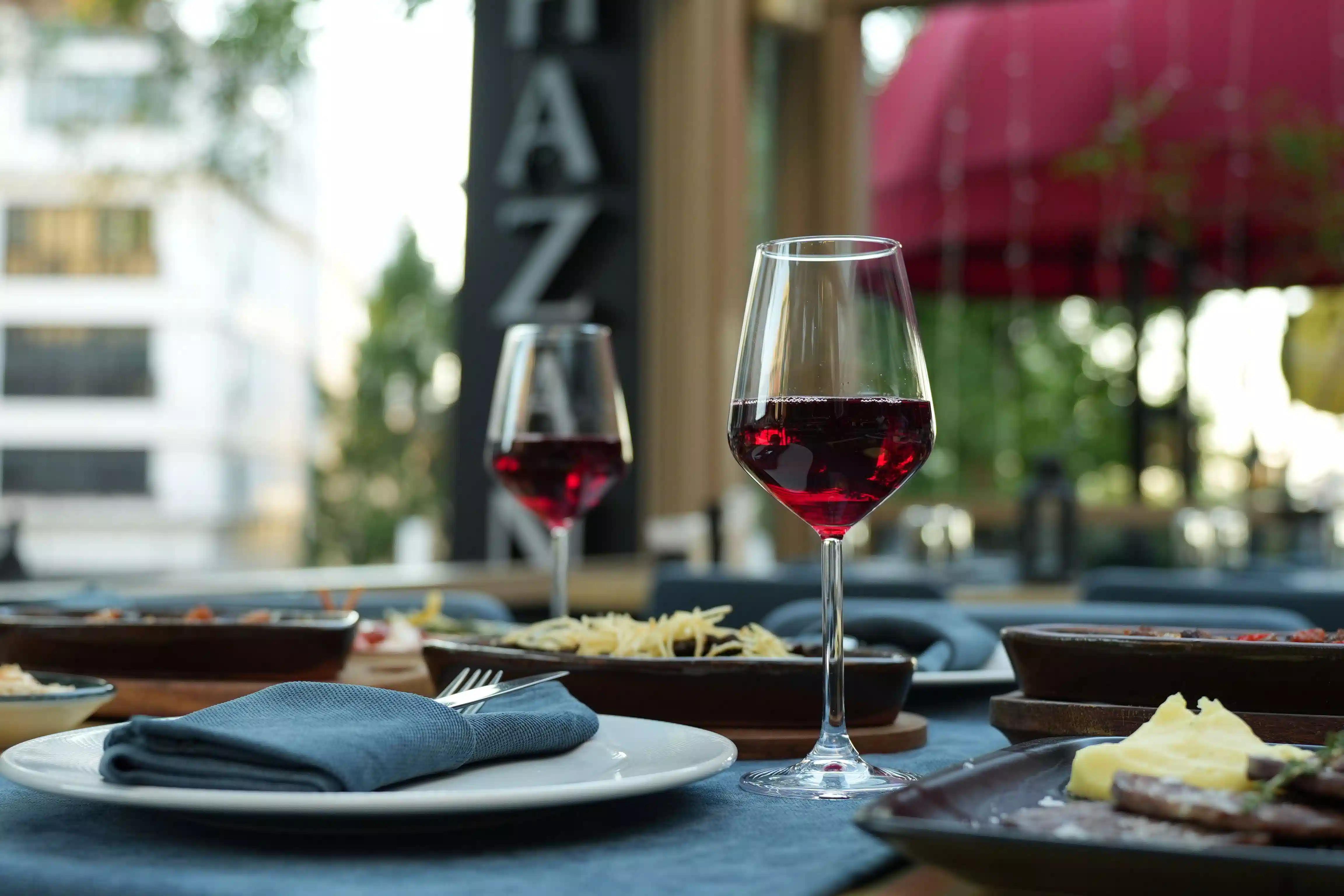
Four factors separate a glass worth investing in from one that underperforms. Consider these elements when evaluating your choices.
Crystal vs. Standard Glass
Crystal represents the premium tier for clear, practical reasons. Its mineral composition allows manufacturers to form it thinner than standard glass. This produces a lighter, more refined vessel that delivers wine cleanly across the palate.
Lead-free crystal is currently the industry standard. It has the same optical clarity and fine-walled construction as traditional lead crystal, without any health concerns.
Standard glass performs well enough for casual use and survives the dishwasher reliably. However, its heavier construction and thicker walls reduce the refinement that crystal provides.
Bowl Size and Shape
For red wine, a larger bowl generally serves the wine better. A capacity of 18–24 oz provides enough surface area for proper aromatic release and allows for an effective swirl.
Bowl geometry matters as well. A bowl that tapers inward concentrates aromas at the opening. One that flares outward disperses them.
Full-bodied reds such as Cabernet Sauvignon call for a tall, Bordeaux-style bowl. Lighter, more aromatic reds such as Pinot Noir need a wider, rounder Burgundy shape.
Rim Thickness
Rim thickness distinguishes entry-level glasses from premium ones. A thin, smooth rim guides wine cleanly onto the palate. A thick or rolled rim creates resistance that interrupts the flow.
Running a finger along the rim before purchase reveals whether a glass meets this standard. The edge should feel even and polished around the full circumference.
Stem Length and Balance
A well-balanced glass distributes weight evenly between the bowl and the base. It feels secure without tipping toward top-heaviness.
In stemmed wine glasses, the stem insulates body heat from the bowl. It preserves the wine's serving temperature across a full pour. A medium-length stem strikes the most practical balance between stability and elegance.
What Separates a Good Glass From a Great One
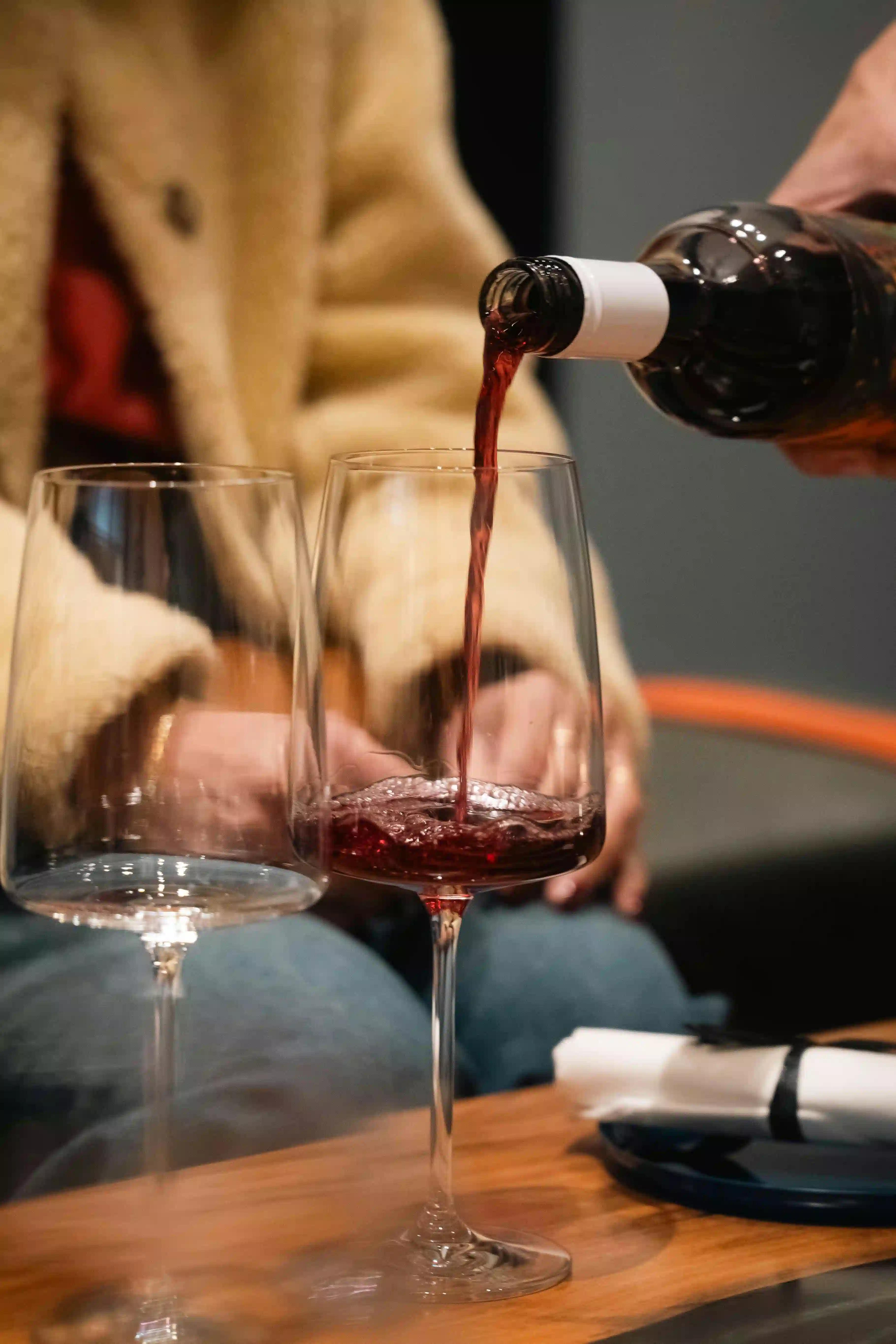
Some glasses may appear similar, but certain qualities stand apart. If you are in the market for red wine glasses that last, consider the following criteria.
Optical Clarity
A quality wine glass should appear perfectly clear, meaning no tint, cloudiness, or visible seams. Crystal achieves this more consistently than standard glass. Crystal's composition allows for thinner, more uniformly formed walls.
Clarity also serves a practical function. Evaluating a wine's color and viscosity forms part of the full tasting experience. Any optical distortion in the glass compromises that assessment.
Weight and Balance
A well-constructed wine glass distributes weight evenly between the bowl and the base. It should feel intentional in the hand—neither so light that it seems insubstantial, nor so heavy that it needs conscious management.
A glass that tips at the dinner table represents a liability. A glass built like thick stemware dulls the pleasure of drinking from it. A well-balanced glass feels comfortable and stable before you even take a sip.
Durability and Care
Schott Zwiesel's proprietary Tritan crystal formulation resists chips and fractures while surviving repeated dishwasher cycles without dulling. This is a meaningful feature for everyday glasses.
For premium hand-blown pieces, hand-washing extends the life of the glass and preserves its finish. Prolonged dishwasher heat and detergent exposure gradually diminish the polish of these glasses.
Store glasses upright rather than inverted. Inverted storage risks chipping at the rim (the most vulnerable point on any glass) and allows moisture to collect inside the bowl.
Aeration Design
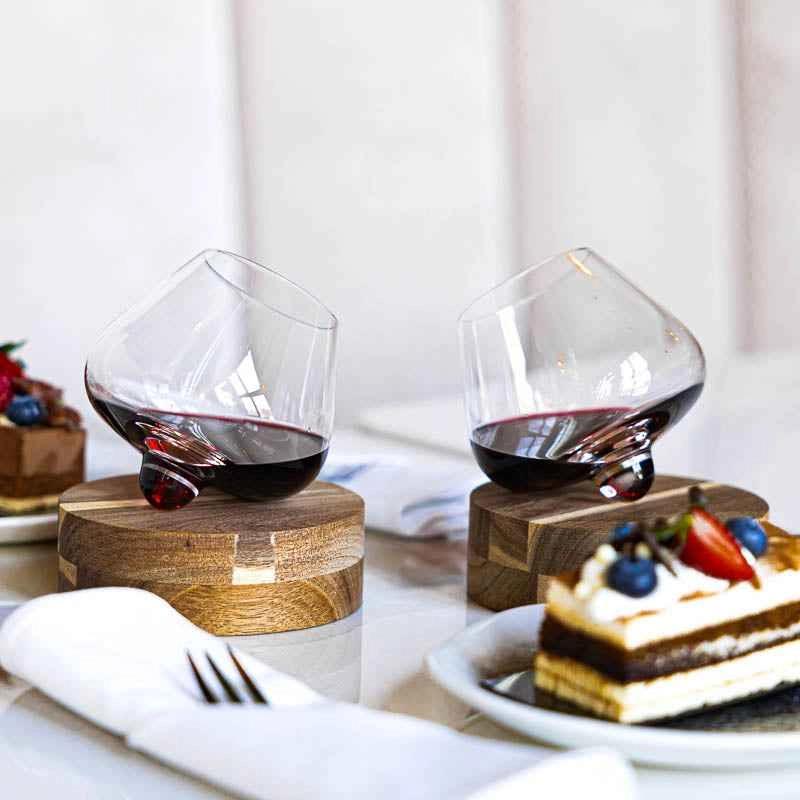
The most notable development in wine glass design involves building aeration directly into the vessel. Glasses with pivot bases or engineered bowl angles keep wine in low-level continuous motion during normal use.
This design benefits full-bodied reds, such as aged Bordeaux, structured Barolo, and tannic Syrah. These reds traditionally call for decanting but often receive none.
The Audacem Aequilibrium Wine Glass incorporates this principle through a 360° oscillating base. It produces consistent passive aeration with each natural movement of the hand.
- Hand-blown by master artisans
- Secure & easy checkout
- Handled with care
Aeration Built In. No Decanter Required.
The 360° pivot base does what swirling can't. Passive aeration with every pour, glass in hand.
Shop the Wine GlassTrends Reshaping the Red Wine Glass Category
The red wine glass category continues to innovate. Consumer needs are changing, and brands are working to keep up. Here are shifts worth noting.
Lead-Free Crystal as the New Standard
Traditional lead crystal used lead oxide to achieve its signature clarity and weight. Modern formulations, typically using barium oxide or titanium, deliver the same results without health concerns. Every major wine glass producer now uses lead-free crystal as the default.
Be careful of glass labeled simply as "crystal" without further specification. These products warrant a check of the manufacturer's materials documentation before purchase.
The Case for One Exceptional Glass
Varietal-specific sets remain the reference point for dedicated wine drinkers. However, the universal glass has established a compelling case for itself.
Producers such as Gabriel-Glas and Glasvin have designed their entire lines around a single format. This universal format performs across red, white, and sparkling styles. For households with limited storage, or buyers who prefer depth over breadth, the universal format offers a strong option.
Built-In Aeration Technology
Glassmakers now increasingly design aeration into the vessel itself. This reduces dependence on swirling or external decanting.
Full-bodied reds gain the most from this development. These wines benefit from sustained oxygen contact but often receive none when bottles open at the table and pour immediately.
Dishwasher-Safe Crystal
A decade ago, dishwasher-safe crystal represented a practical contradiction. Schott Zwiesel's Tritan formulation has largely resolved that tension. The brand has produced crystal that survives repeated dishwasher cycles without clouding or fracturing.
This development has made quality crystal accessible to a broader audience. It has removed the primary objection that kept many buyers in the standard glass category.
How to Choose the Best Red Wine Glasses Depending On Your Needs
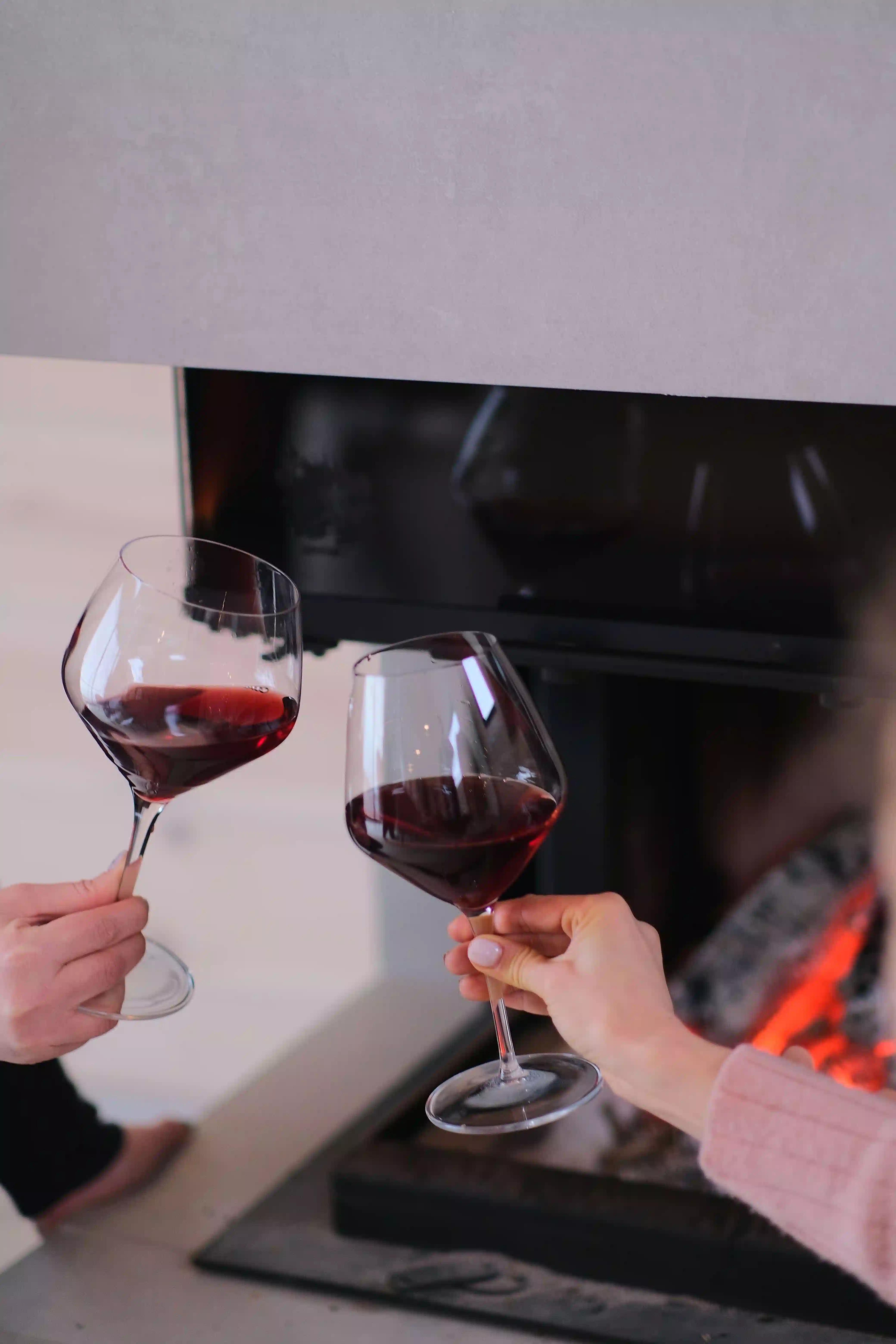
Now that you have seen our recommendations, it is time to narrow down your choice. This buying framework helps determine the best red wine glass for you.
Match the Glass to Your Drinking Style
The best red wine glasses suit individual drinking styles. Those who favor full-bodied reds (Cabernet Sauvignon, Malbec, Syrah) benefit most from a Bordeaux wine glass. Those who lean toward lighter, more aromatic styles (Pinot Noir, Gamay, Nebbiolo) gain more from a Burgundy format.
Drinkers who move across a wide range of styles find that a quality universal glass works well. A 16–20 oz bowl handles the full spectrum without meaningful compromise.
Set a Realistic Budget
A quality everyday red wine glass falls between $12 and $25 per glass. Premium crystal options sit between $30 and $80.
Hand-blown artisan crystal (Zalto, Josephinenhütte, Audacem) starts at approximately $45 per glass. Fewer, better glasses often deliver more value than a large set of average ones.
Be Realistic About Care
For households that run everything through the dishwasher, Tritan crystal offers crystal performance with machine-wash practicality. For those willing to hand-wash, the full range of premium crystal becomes available.
Store glasses upright, and polish with a lint-free cloth before use. Consider a padded storage case for premium hand-blown pieces.
Think About Quantity
A household of two to four people typically manages well with six to eight glasses. Those who entertain regularly benefit from ten to twelve.
For households that want both an everyday set and a special-occasion set, variety works. Pair a durable dishwasher-safe option for daily use with a smaller set of hand-blown crystal for special bottles.
Frequently Asked Questions
What is the difference between a Bordeaux glass and a Burgundy glass?
A Bordeaux wine glass features a tall, straight-sided bowl. It directs wine toward the back of the mouth, where the palate registers tannins with less intensity. This suits full-bodied reds such as Cabernet Sauvignon and Merlot. A Burgundy wine glass features a wider, rounder bowl with a larger opening. It captures and concentrates the delicate aromatics of lighter reds like Pinot Noir. Both shapes serve specific purposes. The right choice depends on the wines you drink most.
Do expensive red wine glasses actually improve the wine?
Within reason, yes. A higher-quality glass will not redeem a poor wine, but it will allow a good wine to express itself more fully. Thinner walls, a finer rim, and a well-engineered bowl all contribute to a more complete tasting experience. The difference registers most clearly with quality wine. The same bottle tastes more expressive in a thin-walled crystal glass than it does in thick-walled stemware.
How many ounces should a red wine glass hold?
A standard red wine glass holds 16–24 oz, though a standard pour sits at approximately 5 oz. The additional volume exists to give the wine surface area for aeration and space for an effective swirl. Bordeaux glasses tend toward the upper end of this range (20–24 oz). Universal glasses typically sit between 16 and 20 oz. Red wine glasses below 14 oz provide insufficient surface area for proper aeration.
Are red wine glasses dishwasher-safe?
It depends on the construction. Standard glass and Tritan crystal withstand dishwasher use well. Hand-blown crystal tolerates dishwasher use in most cases. However, hand-washing better preserves the finish and extends the life of the glass. Consult the manufacturer's care instructions before machine-washing a premium glass.
What is the correct way to hold a red wine glass?
Hold a stemmed wine glass by the stem, not the bowl. Gripping the bowl transfers body heat to the wine. This raises its temperature above the ideal serving range and affects flavor compounds. It also deposits oils and fingerprints on the bowl, which makes it harder to assess the wine's color and clarity. On a stemless glass, holding near the base minimizes heat transfer.
Does a serious wine drinker need different glasses for different red varietals?
Not necessarily. A well-designed universal glass handles most red wines well. Varietal-specific glasses offer meaningful advantages for drinkers who focus heavily on one style. For most home drinkers, one quality universal glass and one Bordeaux or Burgundy glass covers the full range of red wine styles.
Does crystal contain lead?
Traditional lead crystal used lead oxide to achieve its characteristic weight and clarity. Contemporary crystal formulations use lead-free alternatives, typically barium oxide or titanium. They achieve the same optical and tactile qualities of traditional lead crystal without health concerns. All major wine glass producers now use lead-free crystal as standard.
How should I store red wine glasses?
Store glasses upright rather than inverted. Rim-down storage risks chipping at the most delicate part of the glass. It also allows moisture to accumulate inside the bowl. Premium hand-blown crystal benefits from a dedicated padded storage case or cabinet with dividers. Before serving, polish with a clean, lint-free cloth to remove any water spots or dust that accumulated during storage.
Shop the Aequilibrium Glass Collection
-
Red WineRegular price From $42.99 USDRegular priceUnit price per
$86.00 USDSale price From $42.99 USDSale -
Spirits & LiquorsRegular price From $39.99 USDRegular priceUnit price per
$80.00 USDSale price From $39.99 USDSale -
UniversalRegular price From $42.99 USDRegular priceUnit price per
$86.00 USDSale price From $42.99 USDSale -
Spirits & Red WineRegular price From $110.00 USDRegular priceUnit price per