

What Are the Best Plastic Wine Glasses?
The best plastic wine glasses are shatterproof and BPA-free. They are also similar enough to real glass that guests won't notice the difference. Here is a quick guide by use case:
- Outdoor Entertaining and Picnics. Choose a Tritan unbreakable wine glass with a stemmed or stemless design. Dishwasher-safe options save cleanup time after large gatherings.
- Parties and Events. Stackable, recyclable options like Tossware are cost-effective for large guest counts. Reusable plastic wine glasses work better for smaller, more curated events.
- Poolside and Boating. Stemless designs with a wide base are the most stable on uneven surfaces. Look for a finger notch or grip feature for added security.
- Special Occasions. For occasions where presentation matters, lead-free crystal like the Audacem Aequilibrium (from $42.99) delivers the look, feel, and aroma performance that plastic cannot match.
Watch the Aequilibrium aerate with every pour.
Our Pick for Special Occasions
Hand-blown crystal with a pivoting base that aerates wine — the best upgrade from plastic.
Shop the Aequilibrium Wine GlassWhy Plastic Wine Glasses Make Sense Outdoors
Breaking a wine glass outdoors is both an inconvenience and a safety hazard. That is the core reason plastic wine glasses exist.
Today's best options use Tritan copolyester, a BPA-free material that is crystal-clear, shatterproof, and dishwasher-safe. Some are so convincing that guests pick them up expecting glass.
The trade-off is that plastic does not conduct temperature the same way glass does. But for everyday outdoor drinking, a quality plastic wine glass does the job well enough.
It's a different story, hoewever, once the wine itself is the point of the evening. That's when a glass like the Aequilibrium—hand-blown, lead-free crystal designed to aerate with every sip—starts to matter more than convenience.
Learn more about it here: Audacem Aequilibrium Wine Glass: A Spinning Wine Glass Experience
Best Plastic Wine Glasses by Type
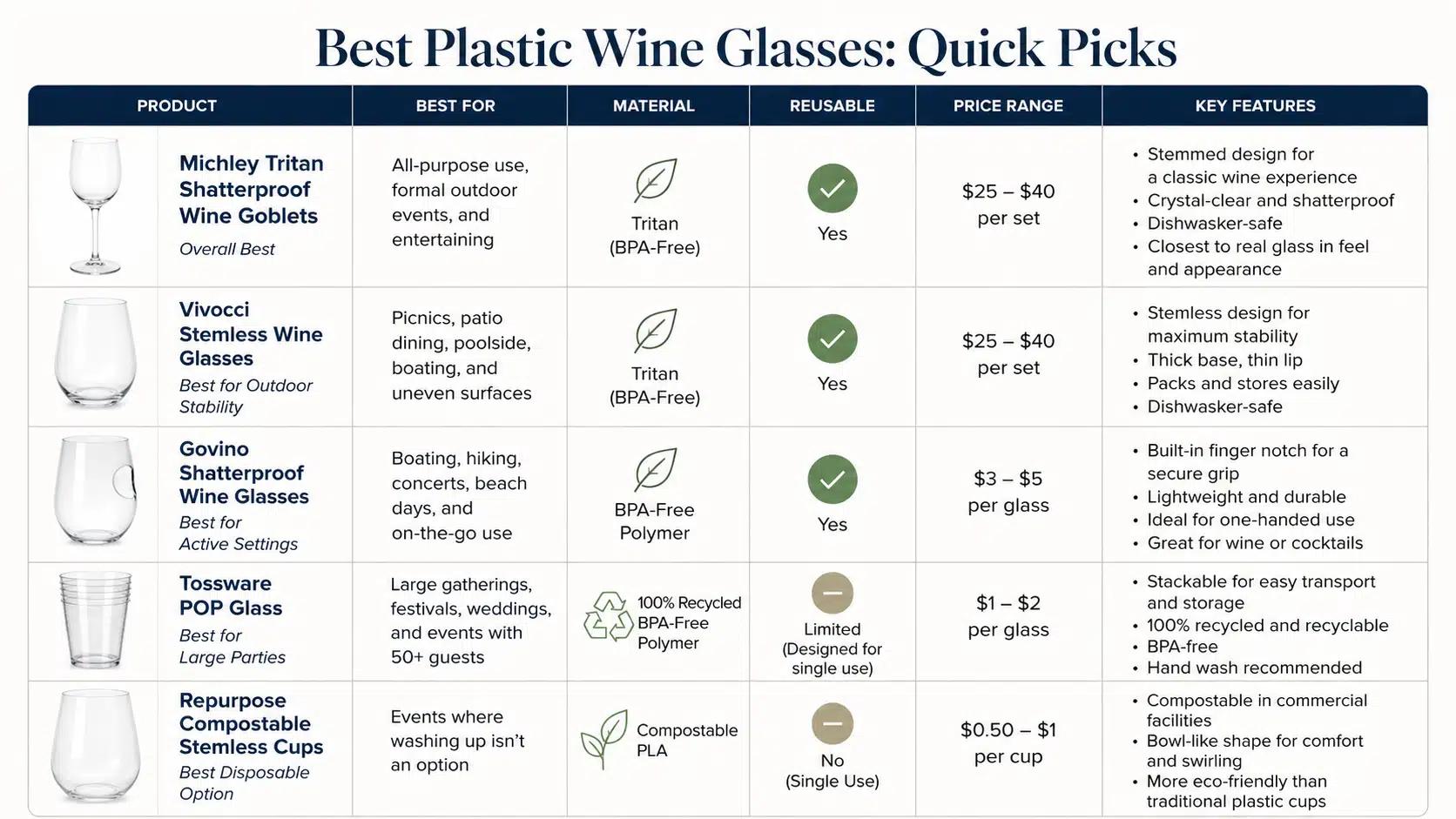
The right plastic wine glass depends on the setting and how you plan to use it. Here are the main categories and what makes each one worth considering.
Best Overall: Tritan Shatterproof Stemmed Glasses
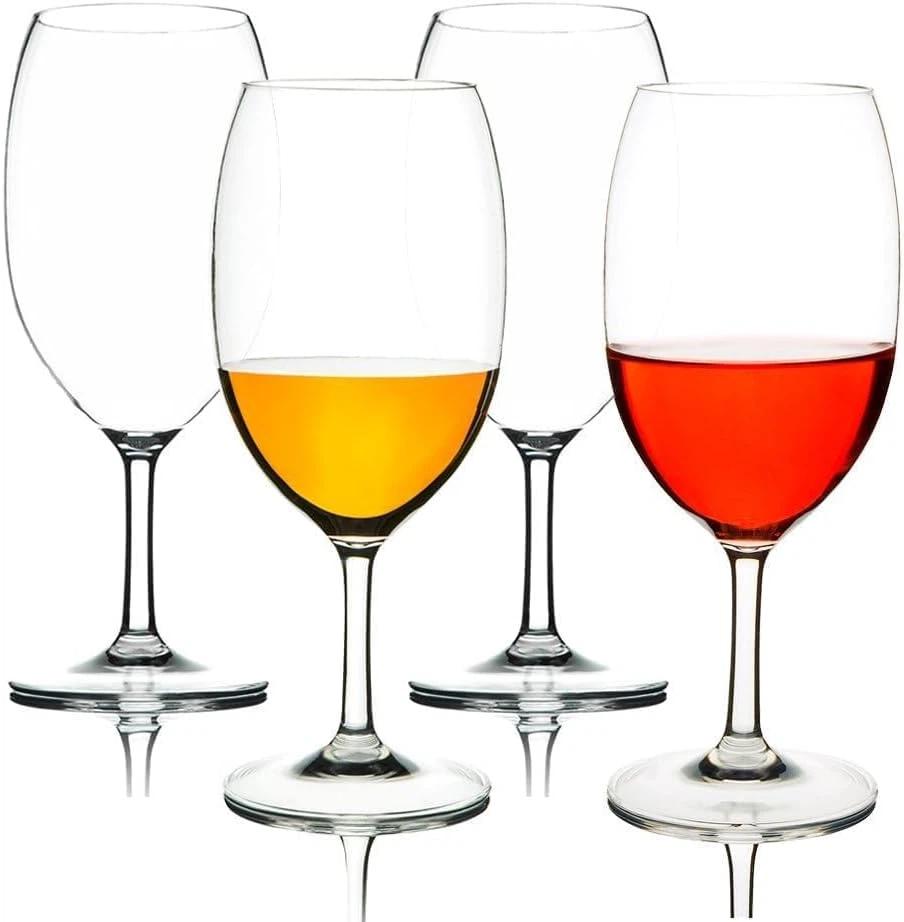
A Tritan stemmed glass is the closest thing to a real wine glass in plastic form. The stem keeps the hand off the bowl. The material is crystal-clear, and the dishwasher-safe construction makes cleanup easy.
Options like the Michley Unbreakable Tritan Shatterproof Wine Goblets have fooled guests into thinking they were holding real glass. This is the format to choose when you want the full wine glass experience without the breakage risk.
Budget: $25–$40 per set
Best for Outdoor Stability: Tritan Stemless Glasses
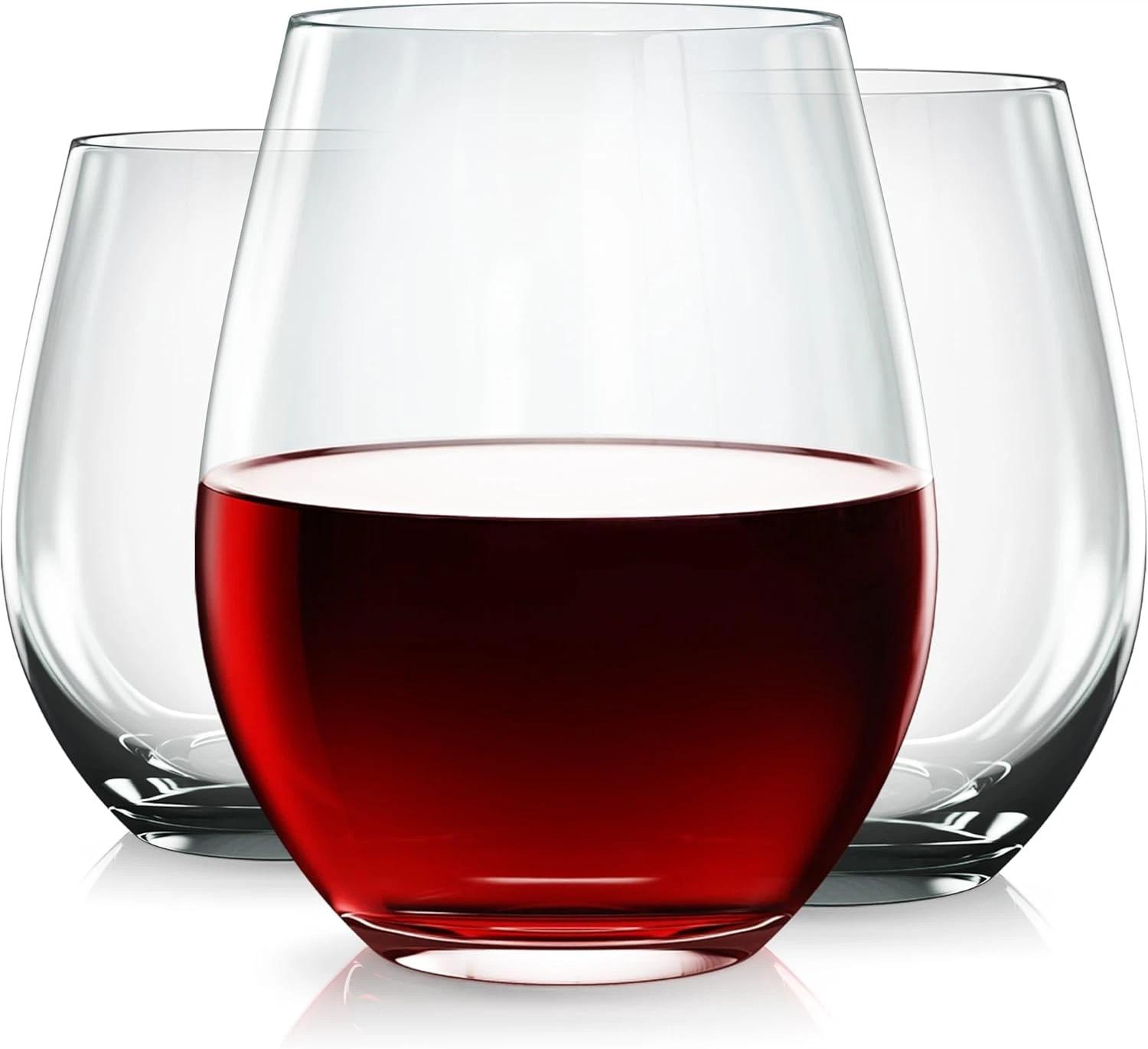
Stemless Tritan glasses sit lower to the ground and are harder to knock over. This is a real advantage on a picnic blanket, a boat, or a crowded patio. They also pack flat in a bag and stack easily in a cabinet.
The Vivocci Unbreakable Plastic Stemless Wine Glass is a widely praised option. It has a thick base, thin lip, and a shape that passes for glass at a glance.
The main trade-off is temperature. Holding the bowl warms the wine faster than a stemmed glass.
Budget: $25–$40 per set
Best for Large Parties: Stackable Recyclable Glasses
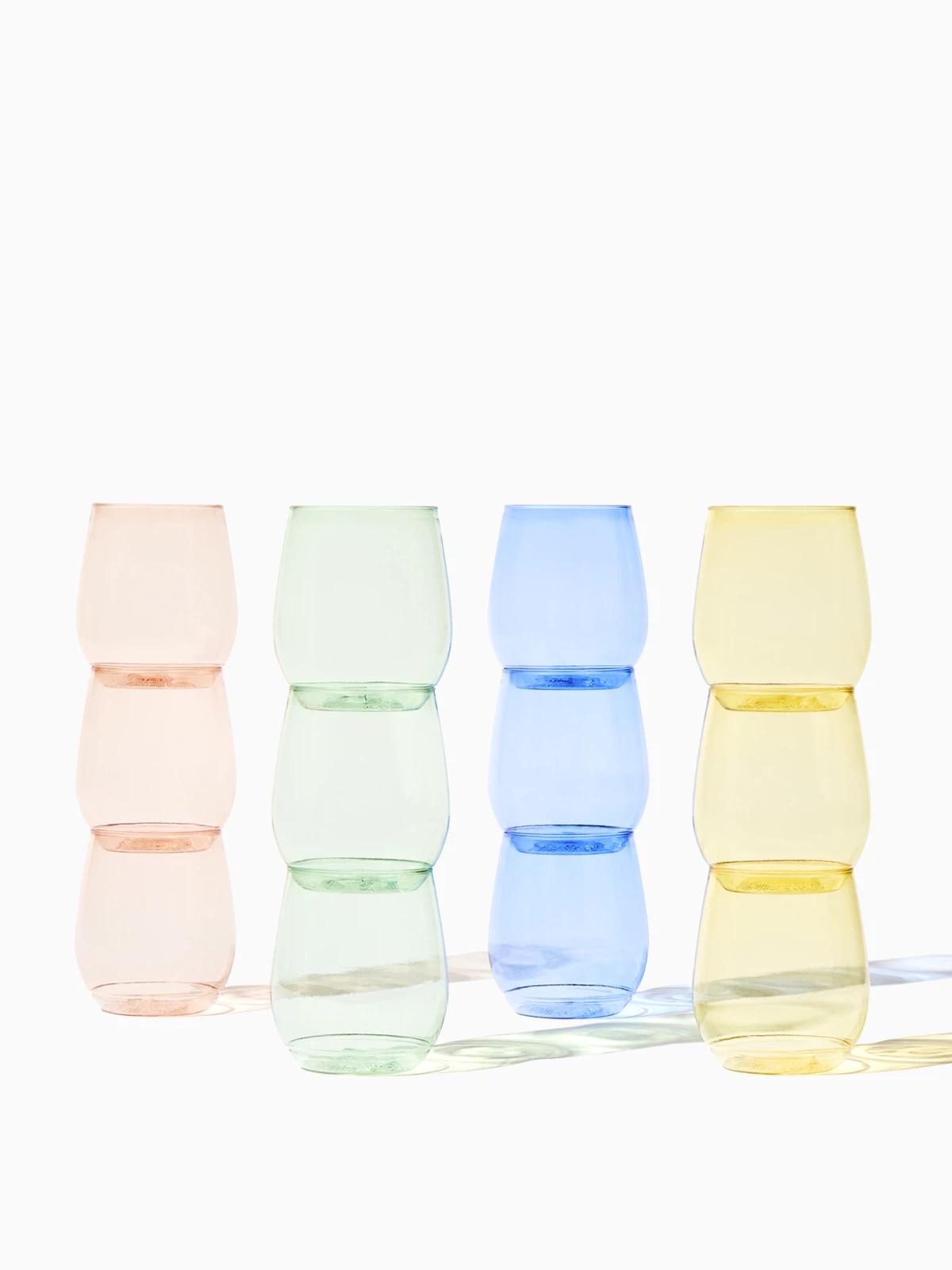
When hosting 50 or more guests, reusable plastic wine glasses become a logistics challenge. Stackable options, like the Tossware POP Glass, simplify the setup. They feature 100% recycled BPA-free polymer.
They also pop together for easy storage and transport and are fully recyclable. They are not dishwasher-safe, but for a single-use party context, that rarely matters.
Budget: $1–$2 per glass
Best for Active Settings: Glasses With a Finger Notch
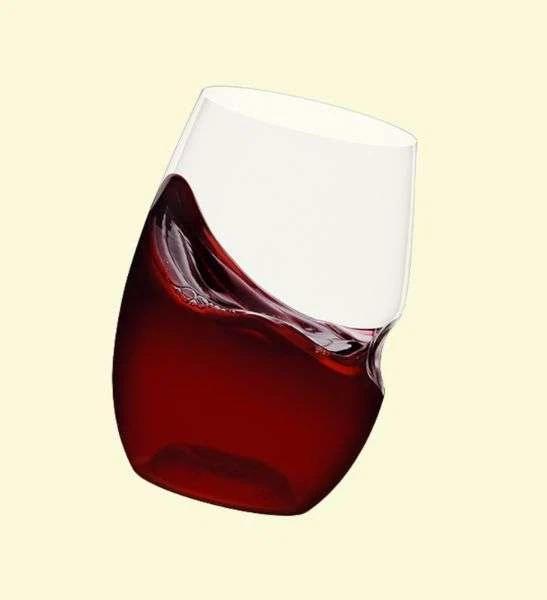
For settings where you need a secure grip (a boat, a hiking trail, a crowded outdoor concert), a glass with a built-in finger notch is particularly useful.
Govino's Shatterproof Wine Glasses feature a thumb notch on the side. The design makes them easy to hold one-handed without gripping the bowl. The brand's unbreakable wine glasses work well for sparkling, white, or red wine, as well as cocktails on ice.
Budget: $3–$5 per glass
Best Disposable Option: Compostable Stemless Cups
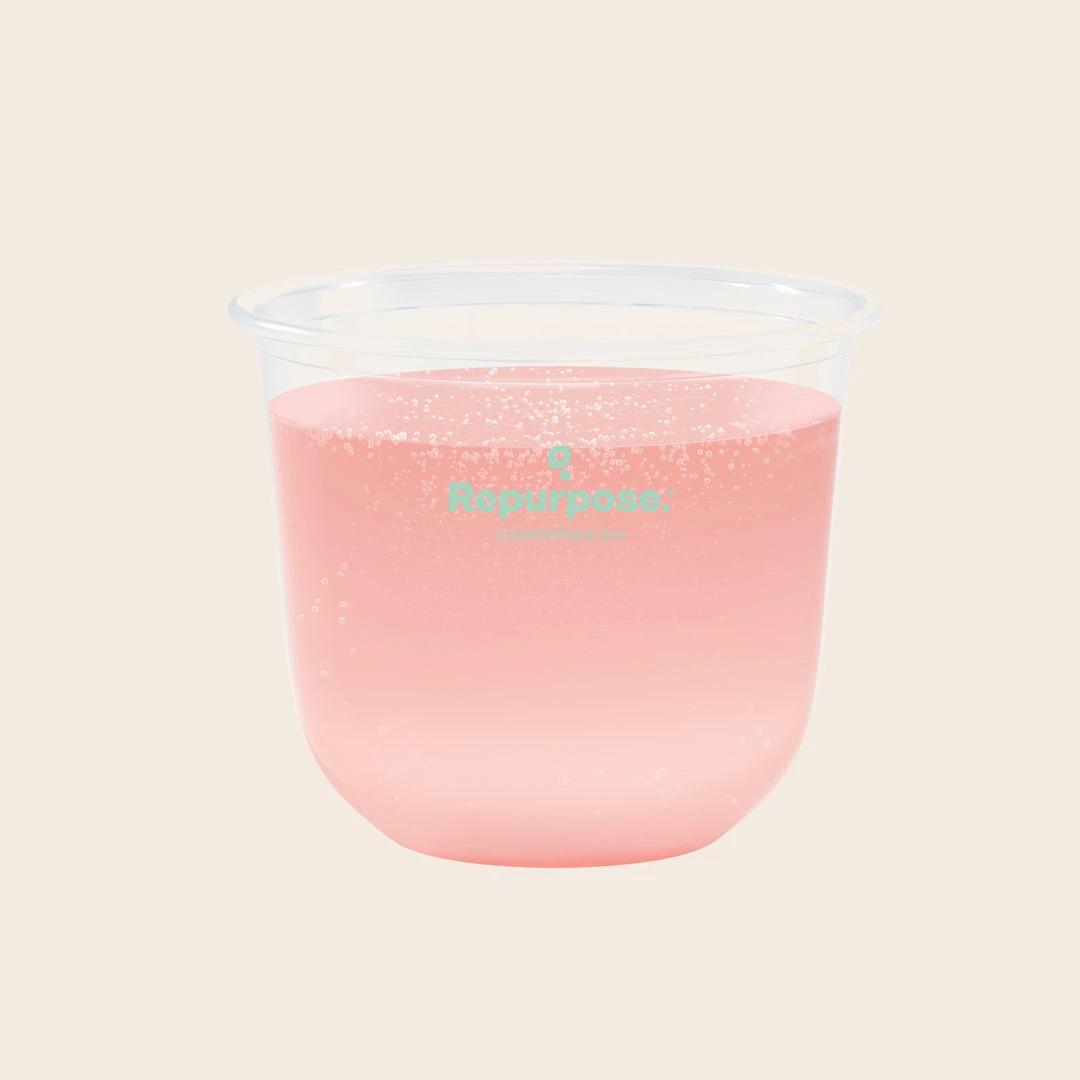
When washing up is not an option, compostable PLA cups are a more responsible choice than standard single-use plastic. Repurpose Compostable Stemless Cups have a bowl-like base that mimics a traditional wine glass shape.
The design makes them more comfortable to hold and easier to swirl than a flat-bottomed cup. They are not reusable, but they break down in a commercial compost facility rather than sitting in a landfill.
Budget: $0.50–$1 per cup
When the Glass Is Part of the Occasion
-
Red WineRegular price From $42.99 USDRegular priceUnit price per
$86.00 USDSale price From $42.99 USDSale -
Spirits & LiquorsRegular price From $39.99 USDRegular priceUnit price per
$80.00 USDSale price From $39.99 USDSale -
UniversalRegular price From $42.99 USDRegular priceUnit price per
$86.00 USDSale price From $42.99 USDSale -
Spirits & Red WineRegular price From $110.00 USDRegular priceUnit price per


The glasses & the coasters are a beautiful set, making every use a special occasion. Very happy.
Best Plastic Wine Glasses by Occasion
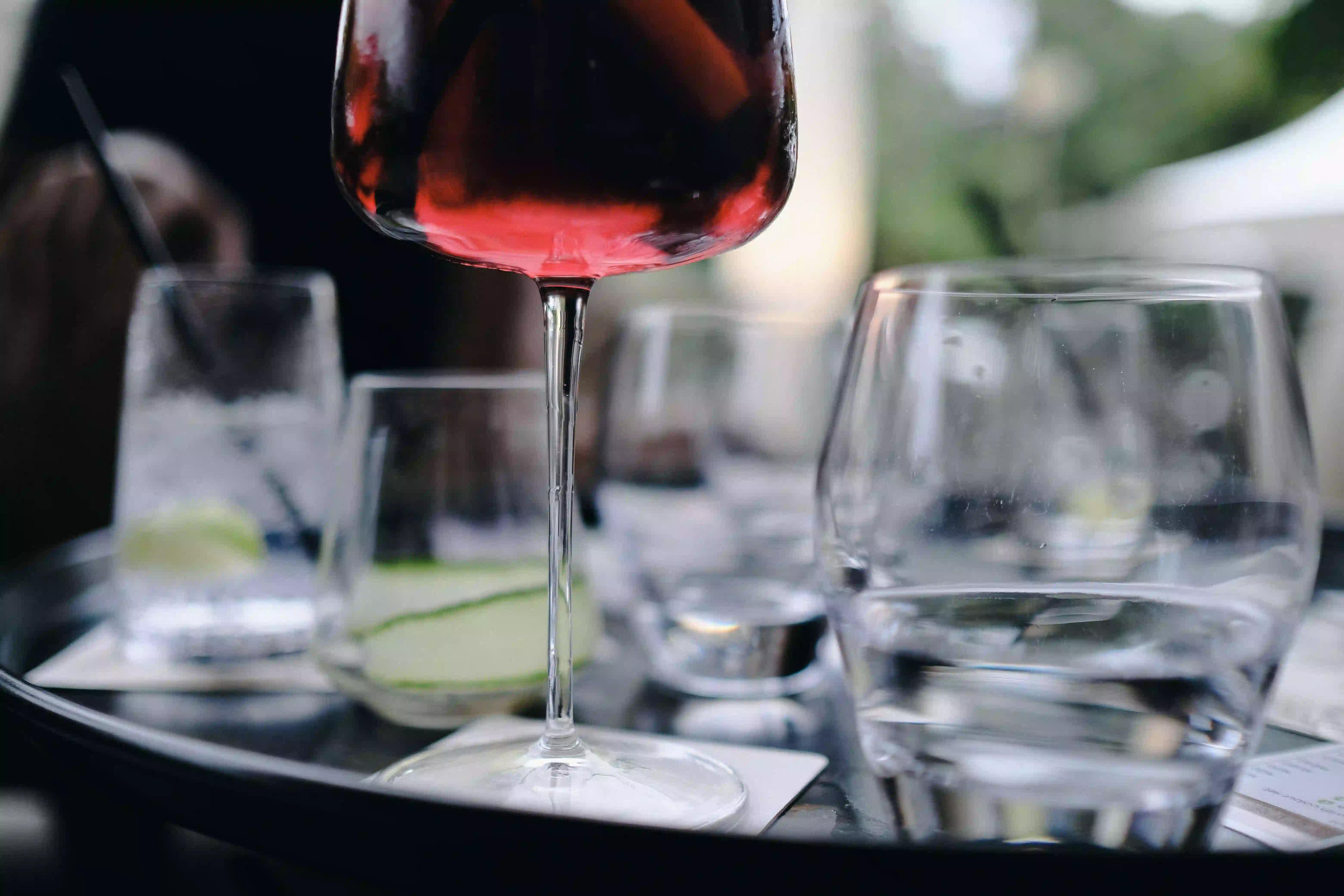
The best plastic wine glass for a backyard barbecue is not the same as the best one for a wedding reception or a camping trip. Here is how to match the glass to the moment.
Backyard Barbecues and Casual Gatherings
A reusable Tritan stemless glass is the practical choice for this setting. It handles reds, whites, and rosés well, survives drops on a patio or deck, and goes straight into the dishwasher after the party. A set of eight to 12 reusable plastic wine glasses covers most casual gatherings without running short.
Pool Parties and Beach Days
Near water, unbreakable wine glasses are non-negotiable. A stemless Tritan glass with a weighted base is the safest option. It sits flat on a pool deck and does not shatter if it gets knocked into the water.
Avoid acrylic near pools. It scratches easily on rough surfaces and is not dishwasher-safe.
Picnics and Outdoor Concerts
Portability matters most here. Stackable glasses that nest together save space in a tote bag or backpack. A finger notch helps when you are standing and holding a glass for an extended period.
Govino's shatterproof wine glasses function with exactly this use case in mind. These unbreakable wine glasses are lightweight, compact, and easy to carry in a set of four.
Camping and hiking
Weight and packability are the priorities here. A lightweight Tritan stemless glass or a collapsible silicone cup works well for camping. For hiking, a single-wall stainless tumbler with a lid is more practical than any plastic wine glass — it keeps the wine cooler longer and survives a drop from a greater height.
Outdoor Weddings and Formal Events
For a formal outdoor event, a stemmed Tritan glass or a high-quality acrylic goblet strikes the right balance between elegance and practicality.
The Juliska Isabella Acrylic Goblet is a popular choice for outdoor weddings. Its embossed pattern and goblet shape look refined enough for a dressed table while still being shatterproof. Budget: $18–$25 per glass.
For the head table or a special toast, this is where a premium crystal, like the Audacem Aequilibrium Wine Glass, earns its place. It features 100% lead-free, hand-blown crystal and a pivot base that gently aerates wine in between sips. It is both functional and visually striking.
- 30-day guarantee
- Secure payments
- Free shipping over $65
Ready to Upgrade Your Glassware?
The Aequilibrium brings lead-free crystal craftsmanship to every pour. Built for the moments that matter.
Shop the Aequilibrium Wine GlassWhat to Look for in a Plastic Wine Glass
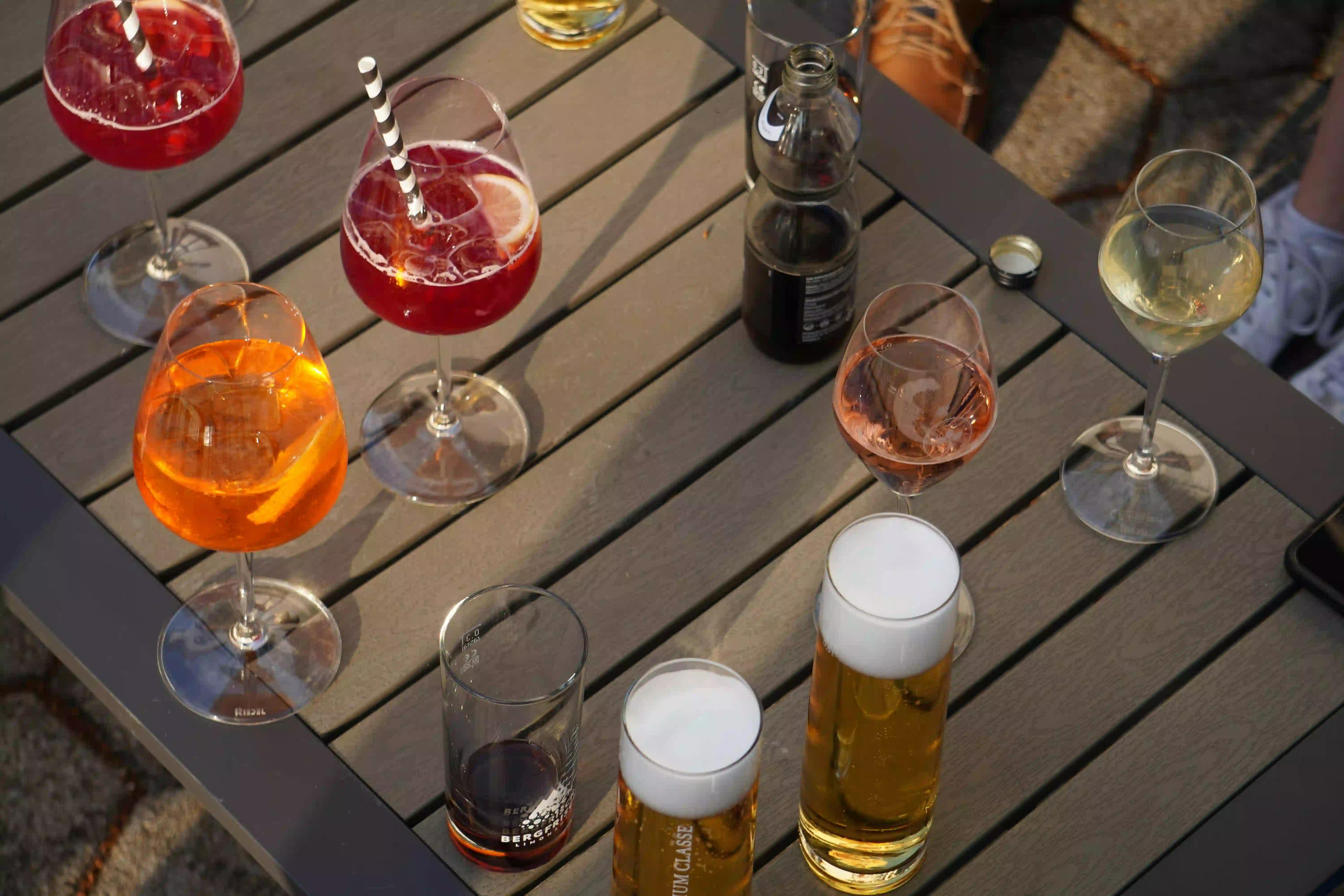
Different plastic wine glasses deliver different experiences. Several factors determine whether a glass performs well over time.
Material: Tritan, Acrylic, and Polycarbonate
Tritan copolyester is the gold standard for plastic wine glasses. It is BPA-free, shatterproof, crystal-clear, and dishwasher-safe. It is the only plastic material that checks all four boxes. When in doubt, choose Tritan.
Acrylic is a solid second choice. It looks like glass and is BPA-free. However, it cannot go in the dishwasher and scratches more easily.
Polycarbonate is shatterproof but contains BPA, which makes it a less appealing option for food and drink contact. The U.S. National Institute of Environmental Health Sciences notes that BPA can migrate into food and beverages from certain polycarbonate products.
Stemmed vs Stemless Wine Glasses
Stemmed plastic glasses look more like traditional wine glasses. The design keeps the hand away from the bowl, which helps maintain the wine's temperature.
Stemless options are more stable on uneven surfaces, which is a real advantage on grass, sand, or a boat deck. The design also makes the glass store and travel more easily.
For most outdoor settings, stemless glasses win on practicality. For a more formal outdoor event, stemmed Tritan glasses strike the right balance.
Also read: Best Stemless Wine Glasses: A Complete Buyer's Guide
Dishwasher Safety
Tritan is the only plastic that handles dishwasher heat reliably. Acrylic and polycarbonate can warp, cloud, or crack in a hot dishwasher cycle.
Check the resin identification code on the bottom of the glass. A number 7 usually indicates Tritan or another specialty copolymer. If you plan to run your glasses through the dishwasher after every party, Tritan is the suitable choice.
Weight and Stability
A plastic wine glass that is too light blows over in a breeze. Sommeliers often note that the key to a quality plastic wine glass is weight and durability. Look for a glass with a weighted base and enough heft to feel intentional in the hand.
Reusable Plastic Wine Glasses vs Disposable Options
Reusable Tritan glasses are the better long-term choice for the environment and your wallet. Disposable options, including compostable PLA cups, make sense for very large events where washing up is not practical.
If you go disposable, look for BPA-free, compostable options rather than standard single-use plastic.
What Makes a Plastic Wine Glass Worth Buying
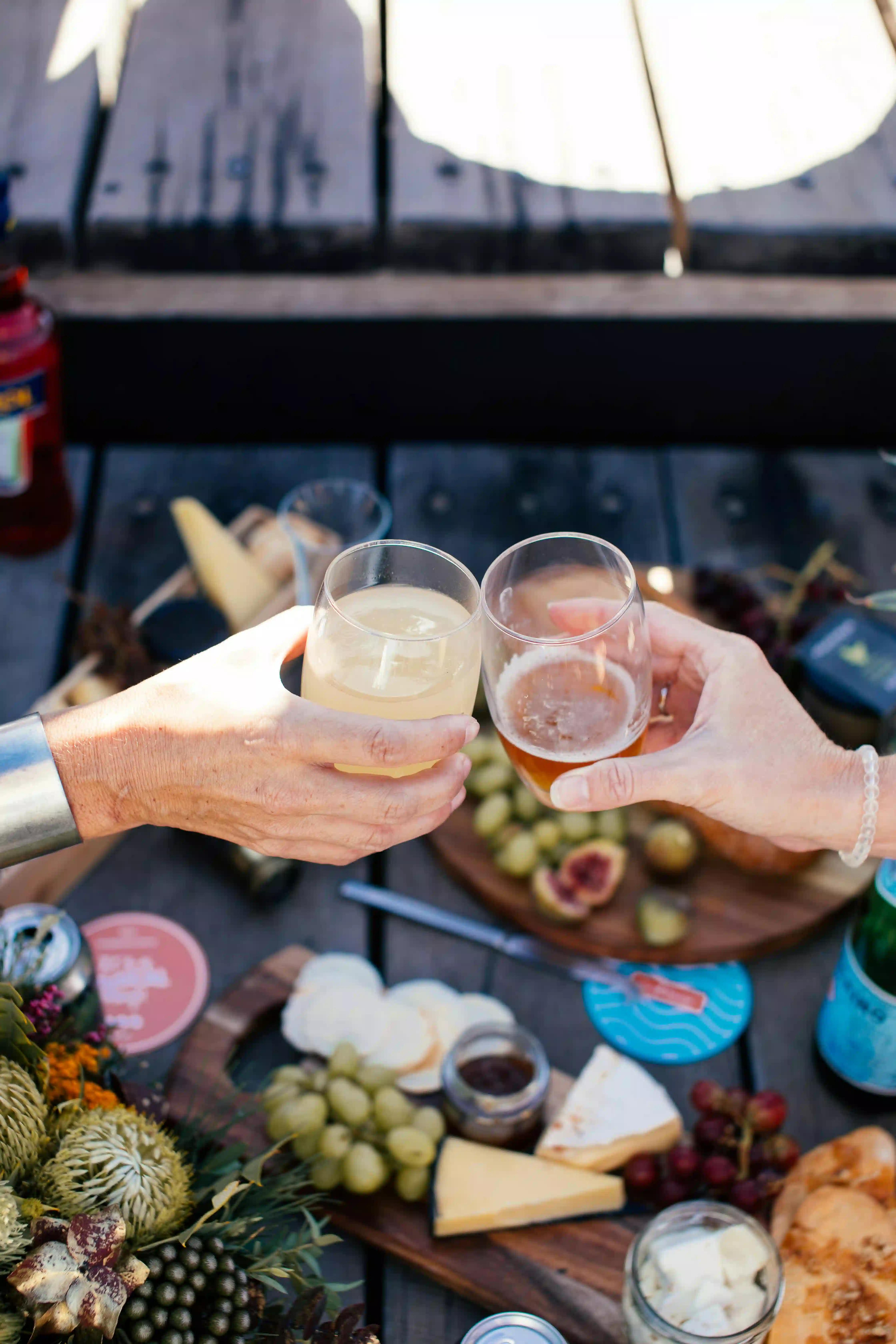
Most plastic wine glasses look similar in product photos. These are the details that separate a glass worth buying from one that disappoints after a few uses.
Optical Clarity
A good plastic wine glass should be clear, not cloudy or streaky. Tritan achieves this better than any other plastic material.
Look for a glass with a minimal seam. A thick seam running up the side of the bowl is a sign of lower-quality manufacturing and ruins the glass-like effect.
Rim Quality
The rim is where the glass meets your mouth, and its quality matters more than most buyers realize. A smooth, flush rim guides wine cleanly onto the palate. A rolled or bulbous rim creates a slight splash effect and feels cheap. Run your finger along the rim before buying — it should feel even and polished all the way around.
Bowl shape
A bowl that tapers gently toward the rim concentrates aromatic compounds at the opening. This makes the wine smell more expressive. A bowl that flares outward disperses those aromas before they reach your nose.
For a universal plastic wine glass that works across wine styles, look for a gentle inward taper. It should be wide enough to swirl, but also narrow enough to direct aroma.
Longevity and Scratch Resistance
Plastic wine glasses scratch over time, especially if they go through the dishwasher repeatedly. Tritan holds up better than acrylic or polycarbonate, but no plastic is scratch-proof.
Hand-washing extends the life of any plastic glass significantly. Even dishwasher-safe glasses can look their best for longer with hand-washing.
Plastic Wine Glass Trends Worth Watching
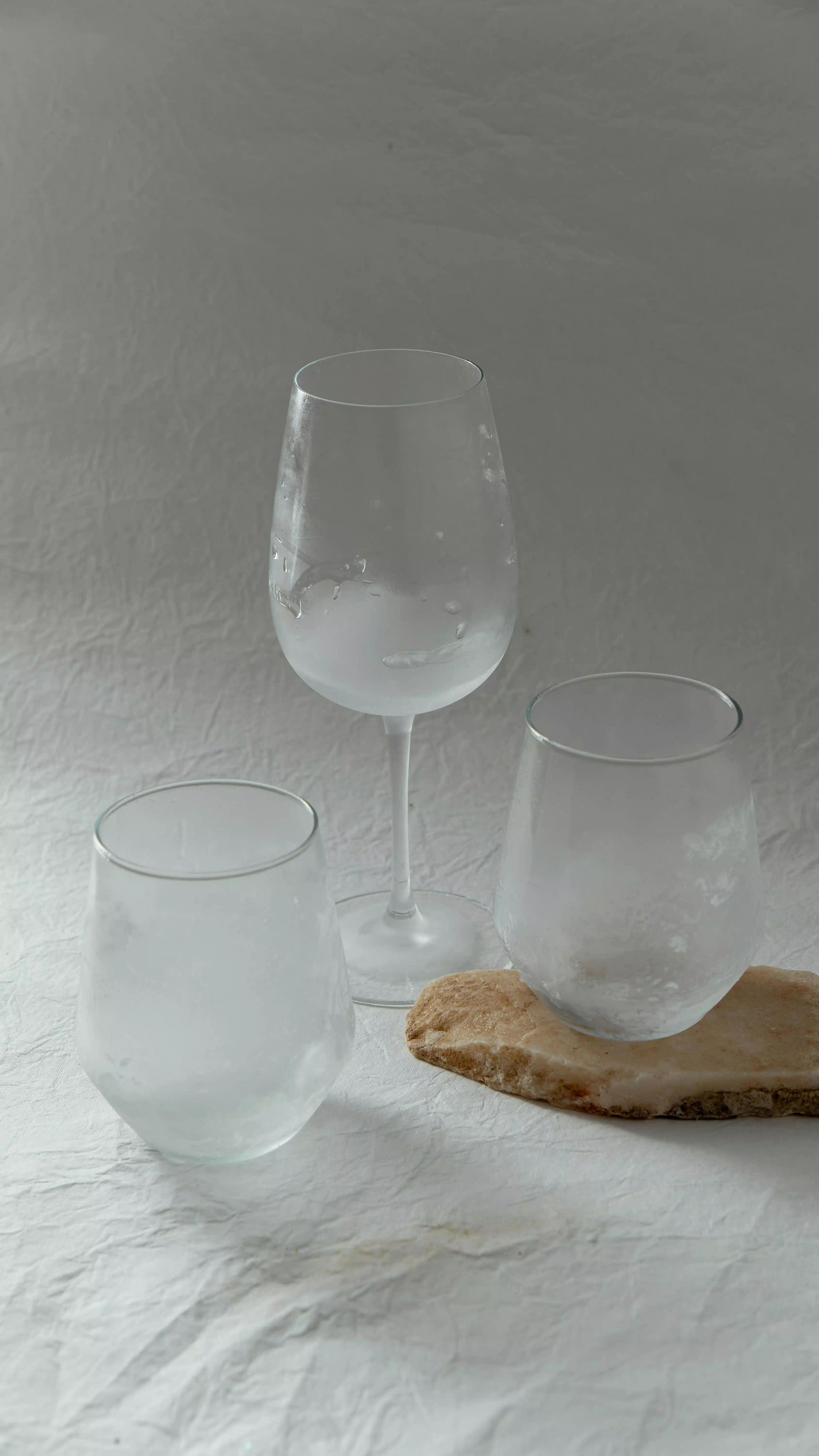
The plastic wine glass category continues to grow as consumer needs evolve. These are the trends shaping what the best options look like today.
Tritan as the New Default
Five years ago, most plastic wine glasses were acrylic or polycarbonate. Today, Tritan has become the default material for any plastic wine glass worth buying. Its combination of clarity, durability, BPA-free chemistry, and dishwasher safety has made it the standard that other materials try to meet.
Sustainable and Recycled Materials
Brands like Tossware now make glasses from 100% recycled polymer derived from repurposed water bottles. Compostable PLA options have also improved in quality and availability. As sustainability becomes critical in purchasing decisions, expect more brands to produce reusable plastic wine glasses with recycled or compostable materials.
Design That Mimics Real Glass
The best plastic wine glasses now feature thin walls, polished rims, and minimal seams that make them appear like real glass at a glance. Decorative options bring a level of visual refinement that was not possible in plastic a decade ago.
When to Upgrade to Real Crystal
Plastic wine glasses are the right tool for most outdoor settings. But there are moments when the glass itself becomes part of the experience. For special dinners, milestone celebrations, or important gifting, lead-free crystal delivers a clarity, weight, and aroma performance that no plastic can match.
The Audacem Aequilibrium, featuring hand-blown, lead-free crystal, exists for exactly those moments. The 360° pivot base keeps wine in gentle motion, continuously releasing aromatic compounds. It is the glass you reach for when the wine deserves the best vessel available.
Also read: The Best Crystal Wine Glasses, Reviewed and Ranked
- 4.8/5 excellent rating
- Try risk-free for 30 days
- Safe & secure delivery
Upgrade From Plastic to Crystal
Trade disposable-feeling plastic for handcrafted crystal glassware designed to elevate every pour and occasion.
Explore the Aequilibrium CollectionHow to Choose the Right Plastic Wine Glass
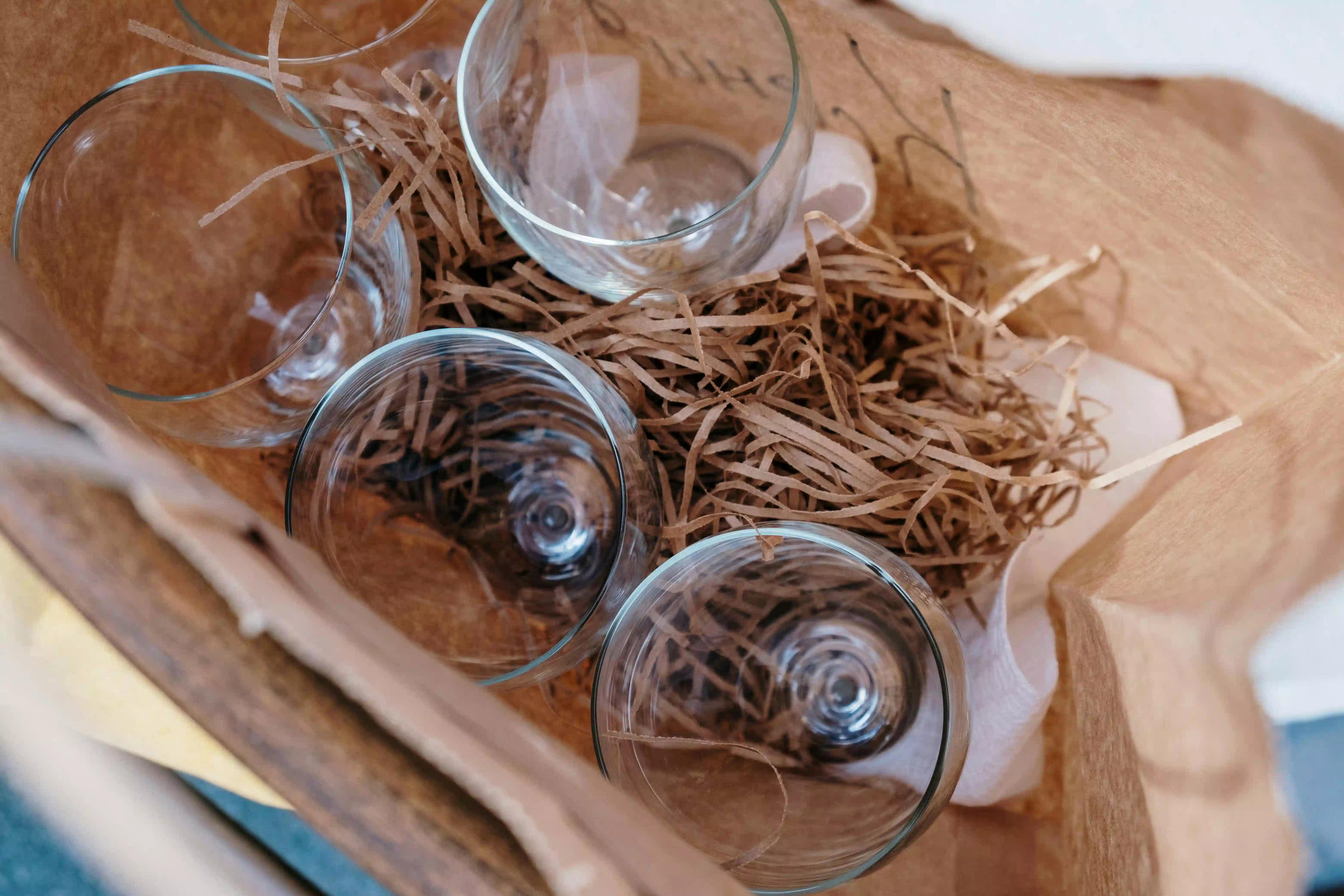
Three questions narrow the choice quickly: where will you use the glass, how many do you need, and how much do you want to spend? Here is a guide to making the best choice.
Match the Glass to the Setting
For casual outdoor use, such as barbecues, picnics, and pool parties, a reusable Tritan stemless glass is the right starting point. For formal outdoor events, a stemmed Tritan or acrylic goblet looks more appropriate. For very large events where washing up is not practical, stackable recyclable glasses are the most efficient option.
Think About Quantity
For a household of two to four people, a set of eight reusable plastic wine glasses covers most situations. For regular entertaining, 12 to 16 glasses gives you enough to host a dinner party without running short. For events of 50 or more guests, stackable disposable glasses are more practical than trying to wash and reuse a large set.
Set a Realistic Budget
A good reusable Tritan wine glass costs between $5 and $15 per glass. A premium acrylic option runs $15 to $30 per glass. Stackable disposable glasses cost around $1 per glass in bulk.
Spending more on fewer, better glasses is almost always the right call for regular use. A quality Tritan glass lasts years with proper care. This makes it far more cost-effective than replacing cheap glasses every season.
Care and Storage
Tritan glasses can go in the dishwasher on the top rack, but hand-washing extends their life and keeps them clearer for longer. Dry immediately after washing to prevent water spots.
Store glasses upright rather than inverted to prevent moisture from becoming trapped inside the bowl. Avoid stacking non-stackable glasses. The pressure can cause scratching or cracking over time.
Final Thoughts: Choosing the Right Glass for the Moment
Plastic wine glasses solve a real problem. They let you stop worrying about breakage the moment the first guest arrives. For barbecues, pool days, and picnics, that trade-off is the right one. Practicality wins, and no one is judging the glass in your hand.
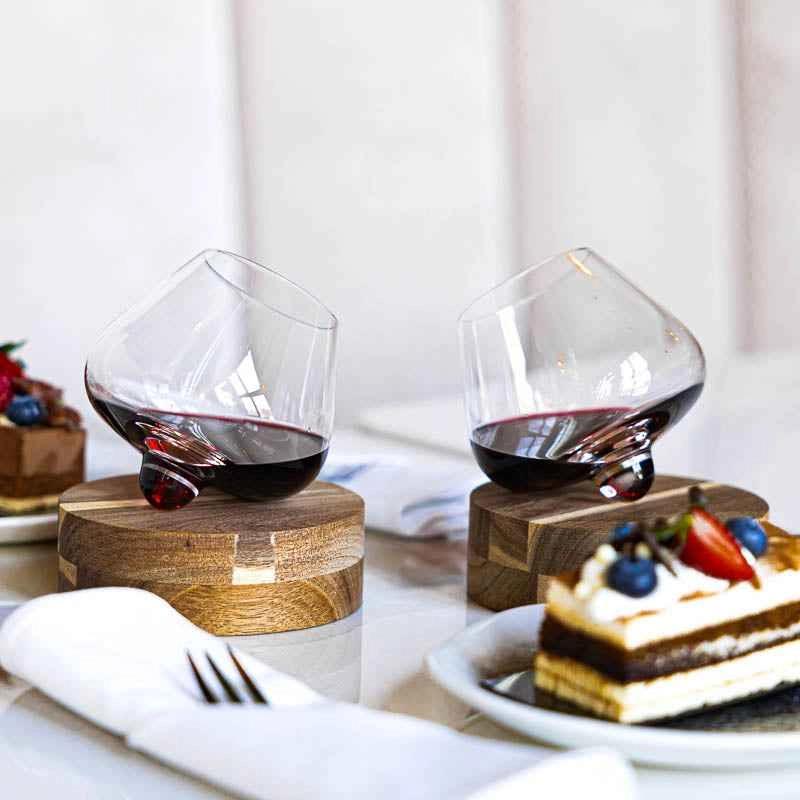
But not every evening is a picnic. Some nights, the wine is the occasion, and that's when the glass itself starts to matter. That's a different kind of glass entirely, built from a different set of priorities: hand-blown lead-free crystal, a pivot base designed to aerate with every sip, the kind of weight and clarity plastic was never meant to replicate.
The Aequilibrium Wine Glass exists for those nights. Keep the plastic for the cooler. Keep something better within reach for everything else.
Frequently Asked Questions
Are plastic wine glasses safe to drink from?
Yes, provided they use BPA-free materials. Tritan copolyester and acrylic are both BPA-free and safe for food and drink contact. Avoid polycarbonate glasses, which may contain BPA. Always check the manufacturer's material specifications before buying.
Do plastic wine glasses affect the taste of wine?
High-quality Tritan and acrylic glasses do not affect the taste of wine. The main difference is aroma. A plastic glass does not concentrate aromas as effectively as a thin-walled crystal glass. But for casual outdoor drinking, the difference is minimal.
What is the best material for plastic wine glasses?
Tritan copolyester is the best material for plastic wine glasses. It is BPA-free, shatterproof, crystal-clear, and dishwasher-safe. Acrylic is a reliable second choice for occasional use, but it is not dishwasher-safe and scratches more easily than Tritan.
Are plastic wine glasses dishwasher-safe?
Tritan plastic wine glasses are dishwasher-safe on the top rack. Acrylic and polycarbonate glasses are not. They can warp, cloud, or crack in a hot dishwasher cycle. Always check the manufacturer's care instructions before putting a new glass in the dishwasher.
How long do plastic wine glasses last?
With proper care, a quality Tritan wine glass lasts several years. Hand-washing extends the life significantly compared to repeated dishwasher cycles. Acrylic glasses tend to scratch and cloud faster than Tritan, especially with regular dishwasher use. Do not reuse disposable plastic glasses designed for single use.
What is the difference between stemmed and stemless plastic wine glasses?
Stemmed plastic glasses look more like traditional wine glasses. They keep your hand away from the bowl, which helps maintain the wine's temperature. Stemless glasses are more stable on uneven outdoor surfaces, pack more easily, and are harder to knock over. For most outdoor settings, stemless unbreakable wine glasses are the more practical choice. For formal outdoor events, a stemmed glass looks more appropriate.
Can I use plastic wine glasses for champagne and sparkling wine?
Yes. A Tritan stemless glass with a narrower opening works well for sparkling wine. It keeps the bubbles contained and gives the carbonation room to rise. Avoid very wide or shallow glasses for sparkling wine, as the carbonation dissipates quickly in a large, open bowl. For a more formal champagne toast, a stemmed Tritan flute or a premium crystal flute is the better choice.
When should I use real crystal instead of plastic wine glasses?
Use real crystal when the occasion calls for it. Examples include a special dinner, a milestone celebration, a gift, or any time you are serving a wine that deserves the best vessel available. Lead-free crystal delivers a clarity, weight, and aroma performance that no plastic can copy. For everyday outdoor use, a quality Tritan glass is the right tool. For the moments that matter most, crystal is worth the investment.
Shop the Aequilibrium Glass Collection
-
Red WineRegular price From $42.99 USDRegular priceUnit price per
$86.00 USDSale price From $42.99 USDSale -
Spirits & LiquorsRegular price From $39.99 USDRegular priceUnit price per
$80.00 USDSale price From $39.99 USDSale -
UniversalRegular price From $42.99 USDRegular priceUnit price per
$86.00 USDSale price From $42.99 USDSale -
Spirits & Red WineRegular price From $110.00 USDRegular priceUnit price per