
What Are the Best Stemless Wine Glasses?
The best stemless wine glasses balance a comfortable grip, a smooth rim, and a bowl shape that suits the wines you drink most. Here is a quick guide by use case:
- Premium Sipping and Everyday Elevation. Choose hand-blown lead-free crystal with a bowl that concentrates aroma. The Aequilibrium Wine Glass by Audacem ($42.99) goes further, with its 360° pivoting base that keeps wine aerated between sips.
- Casual Entertaining and Outdoor Settings. Look for shatterproof options in BPA-free Tritan polymer. The Govino Go Anywhere Wine Glass (from $20) is the proven standard for outdoor use, as it is lightweight and shatterproof.
- Everyday Red and White Wine. Opt for a universal stemless glass with a gently tapered bowl and a flush, polished rim. The Aequilibrium Universal Glass ($42.99) delivers this in a 300ml (10 oz) pour.
- Dinner Parties and Gifting. Choose lead-free crystal with a thin wall and a refined silhouette. The Riedel O Wine Tumbler in Cabernet/Merlot (from $60) applies varietal-specific bowl engineering to a stemless format.
*Prices indicated are estimates and may change over time.
Aequilibrium: crafted to move, made to impress.
The Top-Rated Glass in This Guide
Hand-blown crystal with a pivoting base that aerates wine — pick your style.
Shop the Aequilibrium CollectionBest Stemless Wine Glasses by Wine Type
A well-chosen universal stemless glass handles most situations competently. But for drinkers who favor one style above others, it's best to match the glass to the wine type.
Universal Stemless Glasses

The Audacem Aequilibrium Universal Glass is the format worth prioritizing first.
The hand-blown lead-free crystal and 360° pivoting base handle reds, whites, and sparkling wines well to make multiple options unnecessary.
The essential quality is a bowl that tapers toward the rim. It should be wide enough to swirl and narrow enough to direct aroma. The Aequilibrium Universal Glass pours at 300ml, sized for a proper glass without excess.
Budget: From $42.99 for a set of 2
Red Wine
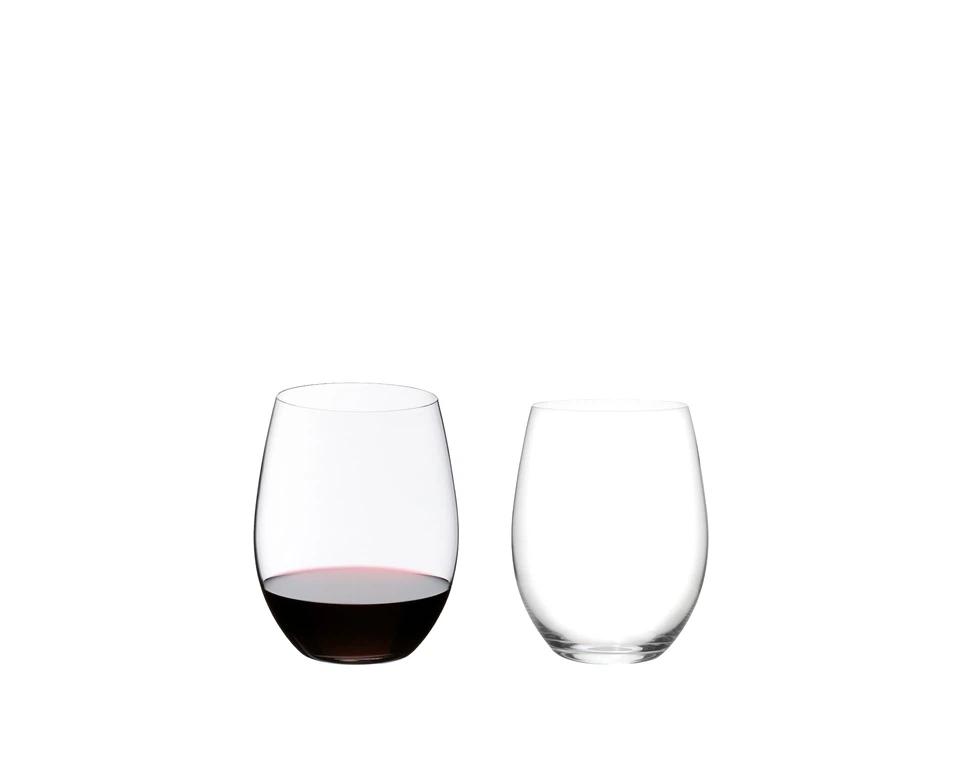
Red wines need a wider bowl that maximizes air contact. This shape softens tannins and allows the wine's aromatic complexity to develop. Consider the Riedel O Cabernet/Merlot Stemless Wine Glass.
Such a stemless glass, with a broad mid-section and a gently tapered opening, works well for Cabernet Sauvignon, Merlot, Syrah, and Pinot Noir alike. A capacity of 16–18 oz gives the wine room to breathe even with a modest pour.
Budget: $25–$40 per glass
White and Rosé Wine
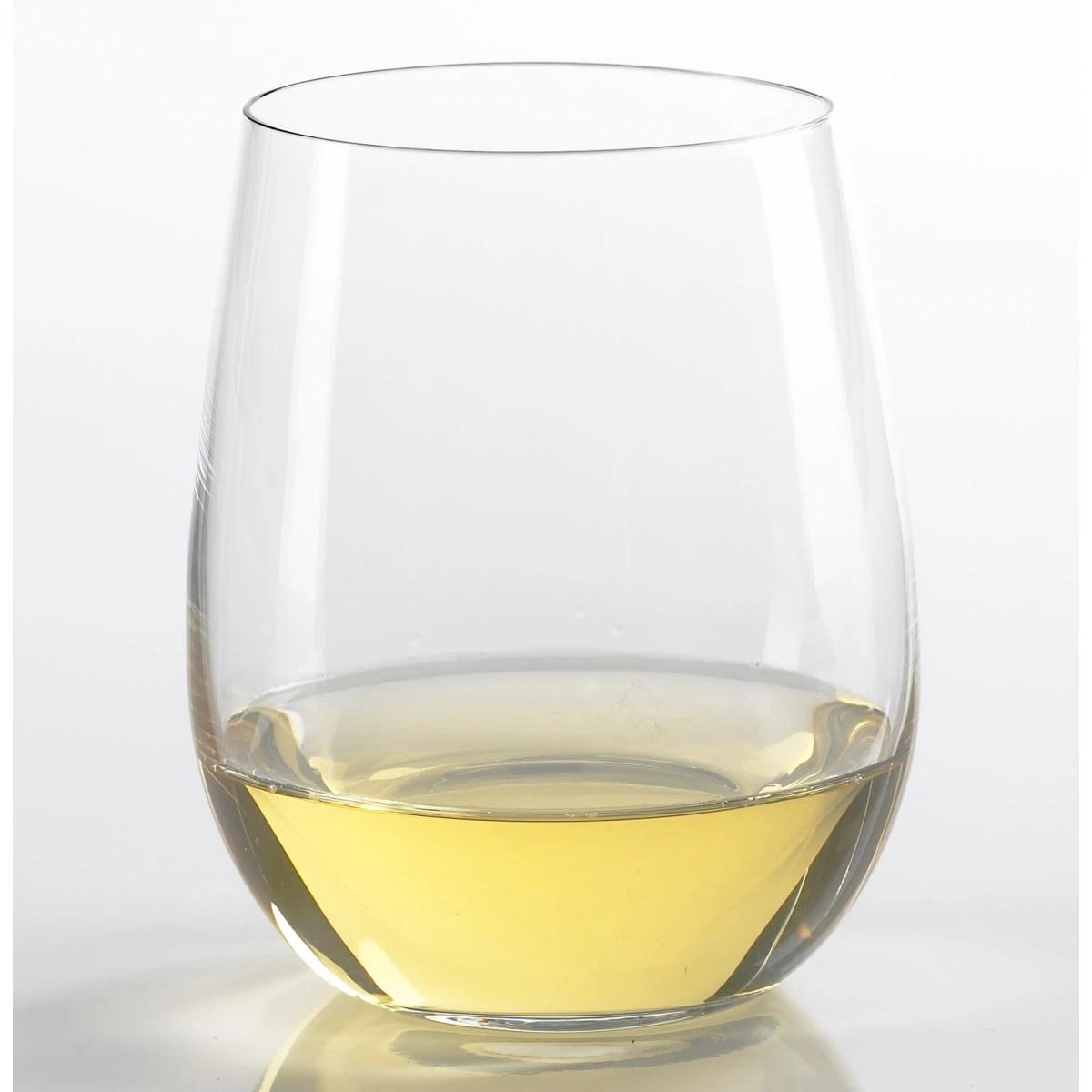
White and rosé wines serve best at cooler temperatures. A narrower bowl helps preserve that temperature while concentrating delicate aromatics. Smaller pours also keep the wine cooler for longer.
A stemless glass of 12–14 oz with a gently tapered profile suits Chardonnay, Sauvignon Blanc, Pinot Grigio, and most rosés. The Riedel O Chardonnay Stemless Wine Glass comes highly recommended.
Budget: $20–$35 per glass
Sparkling Wine
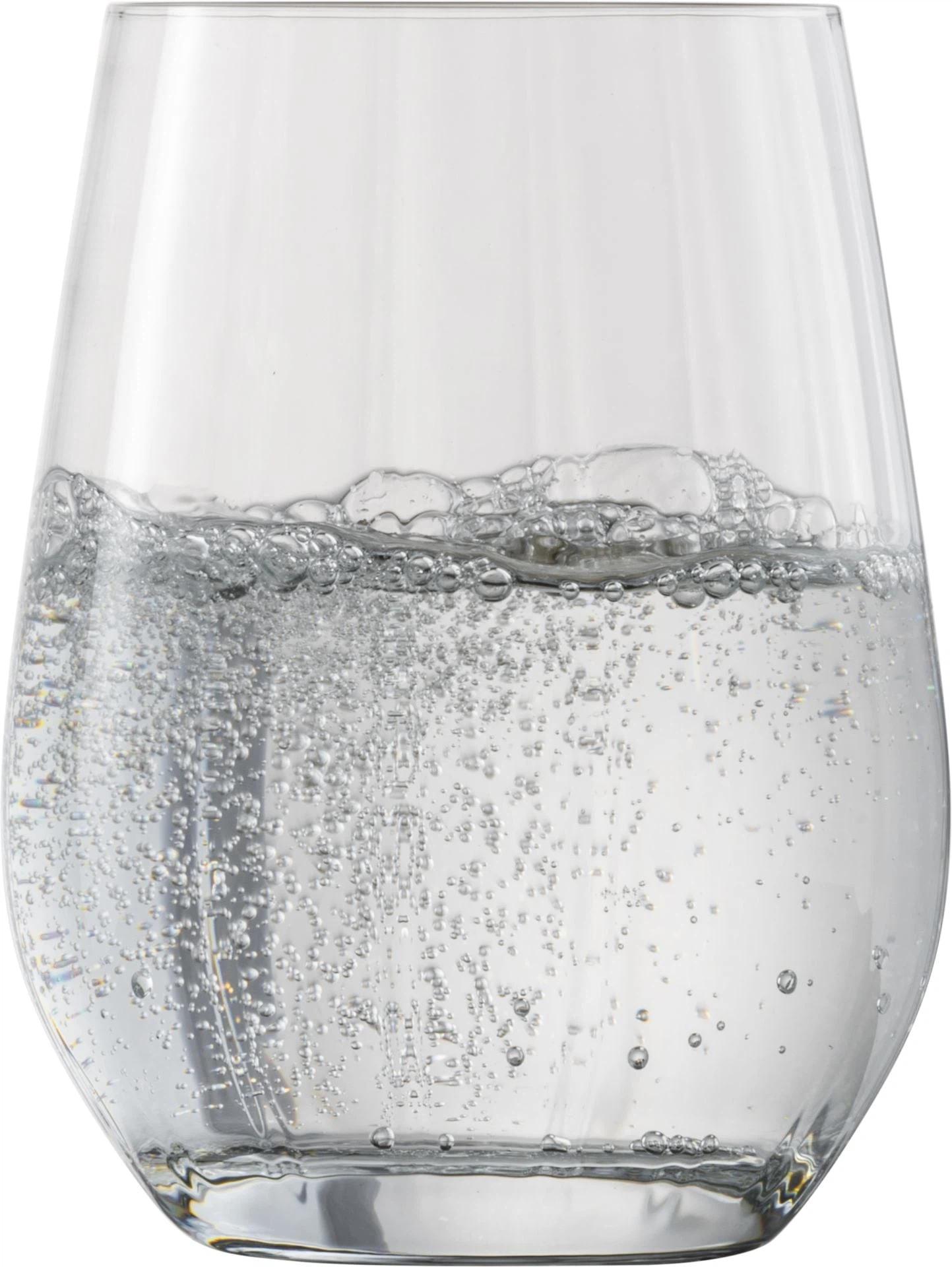
Traditional flutes preserve carbonation well but limit aroma. A stemless glass with a narrower opening and a taller profile keeps the fizz contained. It gives the bubbles room to rise and carry aromatic compounds upward. The Schott Zwiesel Prizma Stemless Wine Glass is a good example.
Very shallow or wide-mouthed stemless glasses speed up carbonation loss and flatten the experience quickly. A universal glass in the 14–16 oz range handles Champagne, Prosecco, and Cava with enough competence for everyday occasions.
Budget: $15–$30 per glass
- 30-day warranty
- Secure payments
- Free shipping over $65
Why Choose Four Glasses When One Does It All?
Hand-blown lead-free crystal. A 360° pivoting base. One glass built for red, white, and sparkling alike.
Shop the Aequilibrium Universal GlassBest Stemless Wine Glasses by Occasion
The right stemless wine glass depends as much on the setting as on the wine itself.
Gifting and Special Occasions
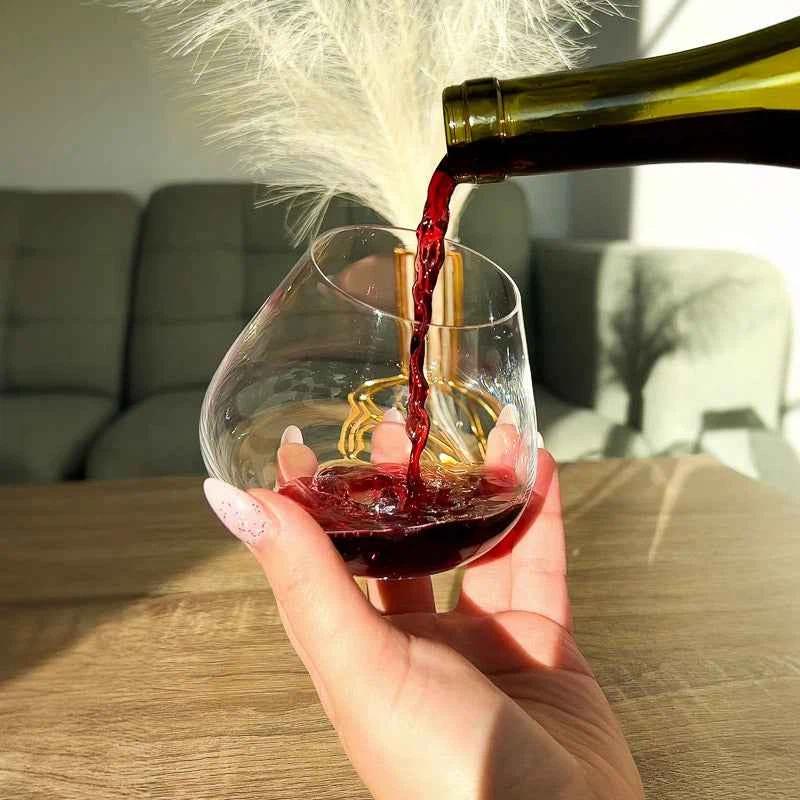
A premium stemless wine glass suits housewarmings, milestone birthdays, anniversaries, and professional occasions. Pair it with a bottle the recipient loves for a gift that delivers more than the sum of its parts.
The Audacem Aequilibrium Wine Glass leads this category. It features 100% lead-free hand-blown crystal and a 360° pivot base that keeps wine in continuous gentle motion. The aromatic compounds open up without additional effort.
Budget: Starts $42.99 for a set of 2
Also read: Audacem Aequilibrium Wine Glass: A Spinning Wine Glass Experience
Everyday Home Use
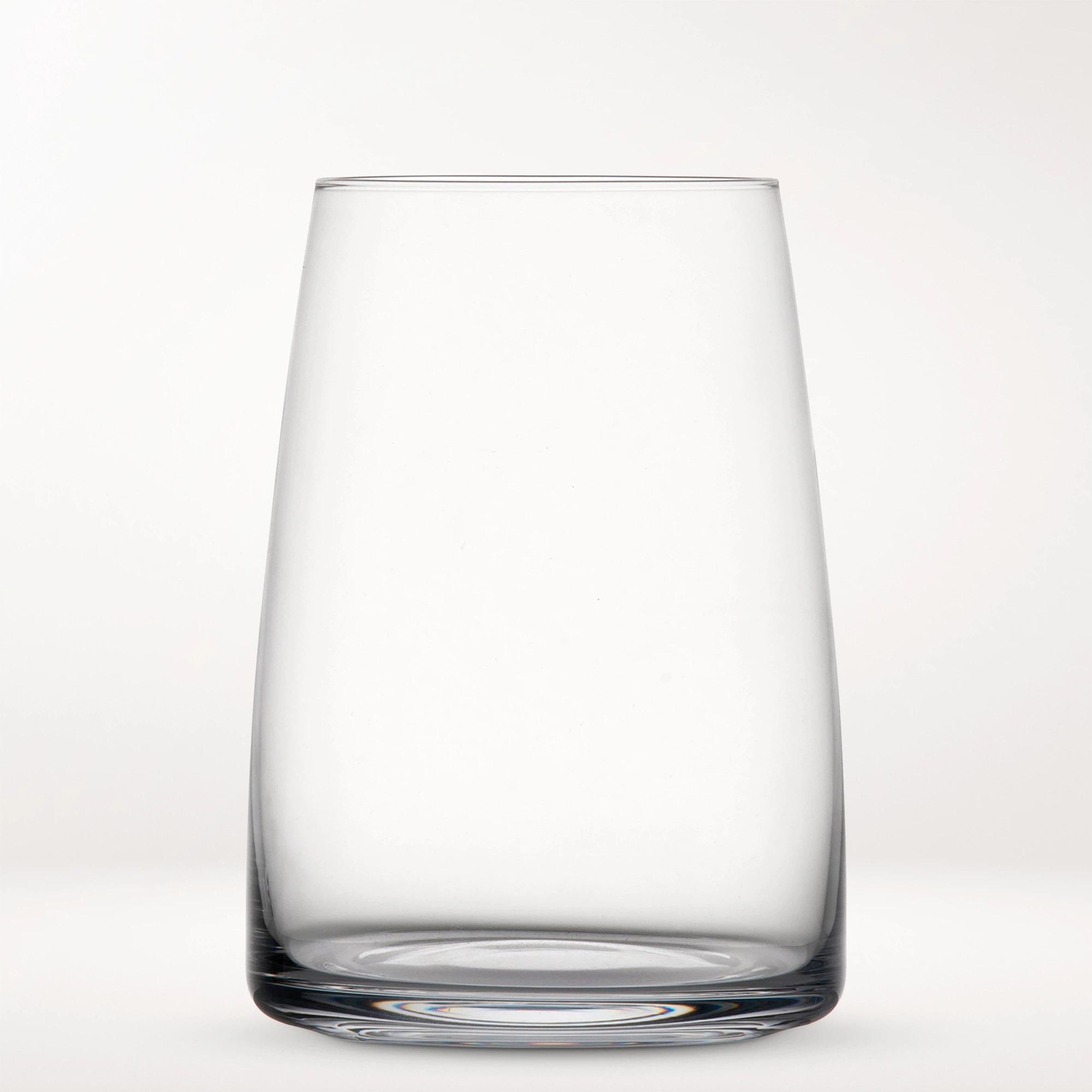
For weeknight pours and informal dinners, durability and ease of care take priority over elegance. Tritan crystal in a universal shape handles daily use without requiring extra attention.
The Schott Zwiesel Senses Stemless White Wine Glass combines dishwasher-safe Tritan crystal with a refined profile. It is a strong starting point for any household collection. A stemless wine glass set of four to six covers most everyday needs.
Budget: $30–$80 for a set of four
Outdoor Entertaining and Travel
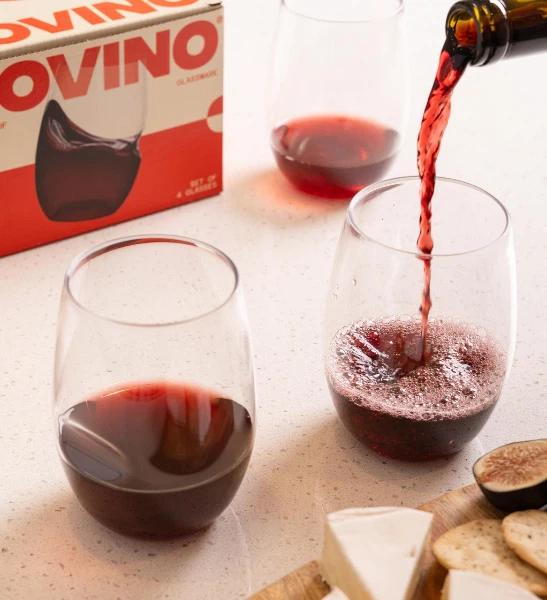
Patios, picnics, and poolside settings call for glasses that survive drops without incident. BPA-free Tritan polymer glasses from Govino look close to glass, feel natural in the hand, and shatter nothing when they fall. The stackable design saves space in a bag or a cooler.
For outdoor use, fine crystal creates unnecessary risk without meaningful reward. Reserve it for indoor hosting.
Budget: $20–$50 for a set of four
Dinner Parties and Hosting
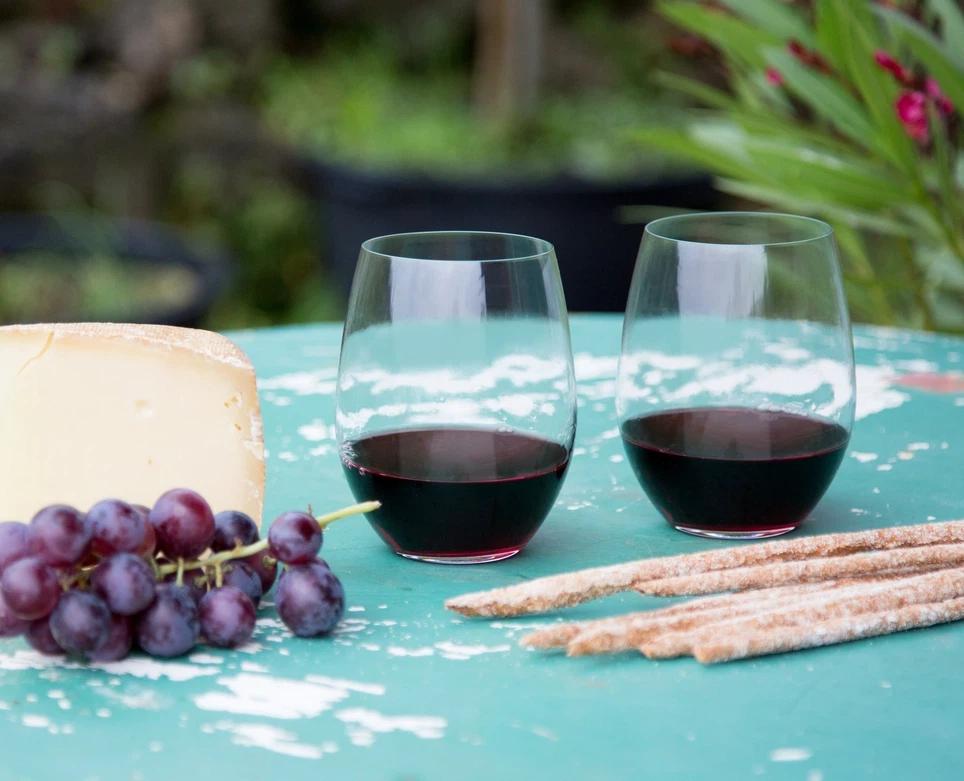
Lead-free crystal stemless glasses add refinement without the fragility of stemmed glassware. The Riedel O Wine Tumbler in Cabernet/Merlot applies the brand's precise bowl engineering to a stemless format. It delivers satisfying performance alongside a contemporary profile that suits a well-set table. A stemless wine glass set of six or eight covers most hosting situations.
Budget: $60–$150 for a set of four to six
- Try risk-free for 30 days
- Secure & easy checkout
- Handled with care
The Glass Everyone Talks About
Hand-blown crystal, a self-aerating pivot base, and a first impression that never gets old.
Shop the Aequilibrium Wine GlassWhat to Look for in a Stemless Wine Glass
Stemless glasses in the market vary in performance. The differences that matter most come down to a handful of factors discussed below.
Material: Crystal vs. Standard Glass vs. Tritan
Lead-free crystal sets the premium standard. It delivers optical clarity, a satisfying weight, and thin walls that make the rim feel refined against the lip.
Standard soda-lime glass resists breakage more reliably and handles dishwasher use well. However, it lacks the clarity and tactile quality of crystal.
Tritan crystal is a proprietary formula developed by Schott Zwiesel. It combines crystal-level clarity with resistance to chipping and impact—a strong choice for daily use.
BPA-free Tritan polymer is the material for unbreakable glasses. It looks much like glass that most guests barely notice the difference at a casual gathering.
Also read: Crystal vs Glass: What’s the Difference?
Rim Quality
The rim determines how the glass feels at the point of contact with the lip. A smooth, flush rim guides wine cleanly onto the palate and disappears from the drinker's awareness entirely. A rolled or bulbous rim creates a slight disruption to that flow.
Machine-cut rims sometimes leave edges that feel sharp after contact. Before purchasing, run a finger along the rim. It should feel even, polished, and consistent all the way around.
Bowl Shape and Capacity
The bowl's geometry determines how wine breathes and how aromatic compounds collect at the opening. A wider mid-section gives red wines the surface area they need to open up. A narrower, tapered profile concentrates aroma and preserves the crispness of whites and rosés.
For a universal stemless glass that handles multiple wine styles, look for a bowl that widens gently at the mid-point and tapers inward toward the rim. It should be wide enough to allow swirling and narrow enough to direct aroma toward the nose. A capacity between 14 and 18 oz suits most everyday pours.
Weight and Grip
A stemless glass that feels too light suggests fragility and a lack of material investment. One that feels too heavy becomes tiring to hold over a long evening. The effective range for glass weight sits between 4 and 8 oz.
The circumference at the widest point matters equally. A glass wider than roughly 11.5 inches tends to feel unwieldy for smaller hands. The right glass settles easily in one hand without demanding a deliberate grip.
Dishwasher Safety and Care
Tritan crystal and tempered glass can handle regular dishwasher cycles on the top rack. Fine lead-free crystal needs hand-washing to maintain its clarity. Dishwasher detergents tend to speed up surface dulling in crystal glass.
Confirm the manufacturer's care instructions before establishing a cleaning routine. For hand-washing, use mild detergent only. Apply a dry microfiber towel immediately after rinsing and do not air-dry.
Stemless vs Stemmed Wine Glasses
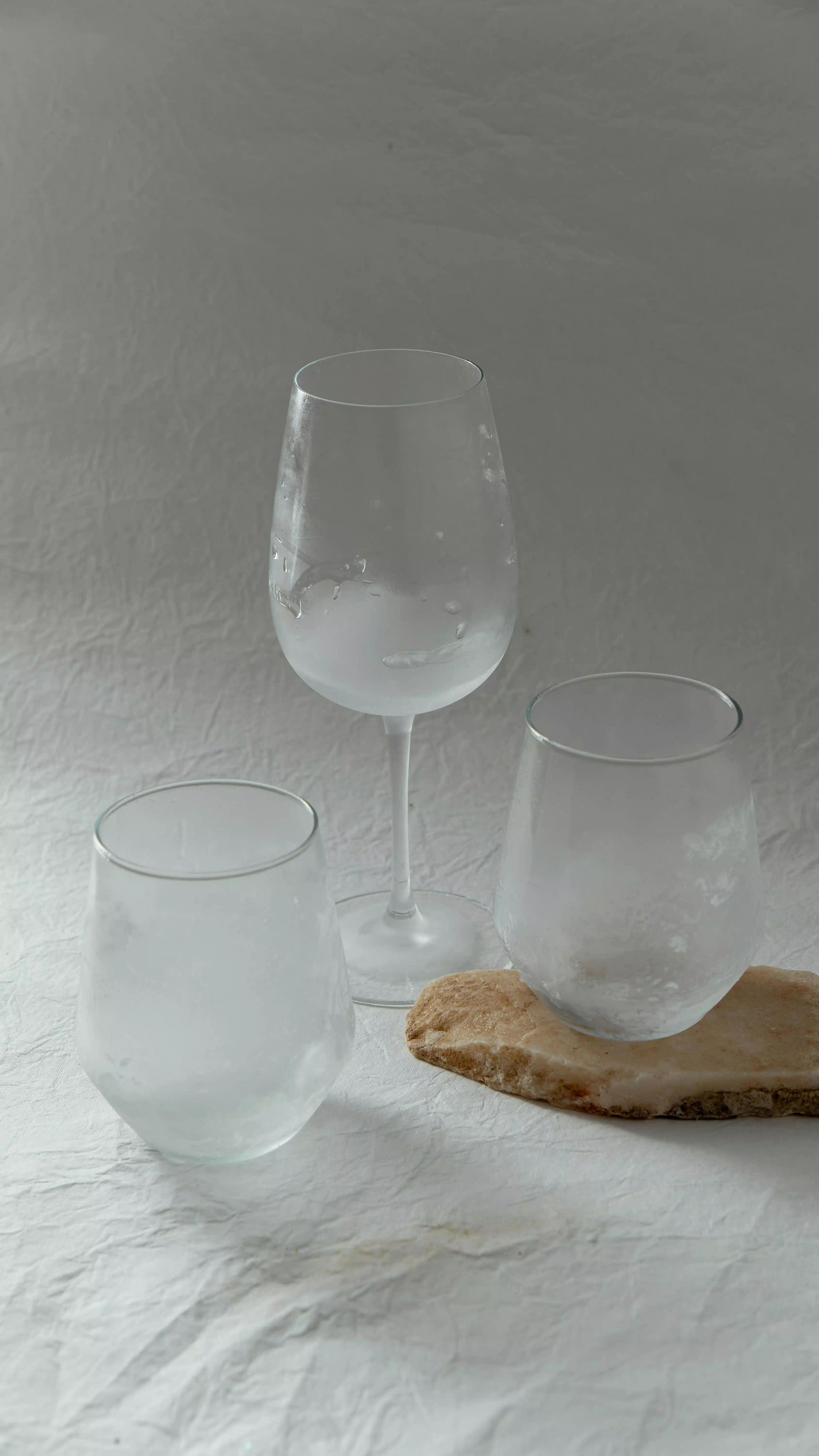
For individuals who drink wine as a regular pleasure, the stemless format offers a practical and modern choice. Stemless wine glasses have a lower center of gravity that makes them more stable on a table than stemmed alternatives. Their compact form also stores neatly in a cabinet, travels safely in a bag, and fits easily in a dishwasher rack.
The primary consideration is temperature. Holding a stemless glass by the bowl transfers warmth from the hand to the wine. This contact can mute flavors when the pour is generous and the pace is slow.
Sommeliers have cited this as the main reason stemmed glasses remain the standard in professional wine service. However, for everyday home drinking when pours stay measured, the difference is actually minimal. Quality stemless wine glasses narrow this gap even more.
What Makes a Stemless Wine Glass Actually Good
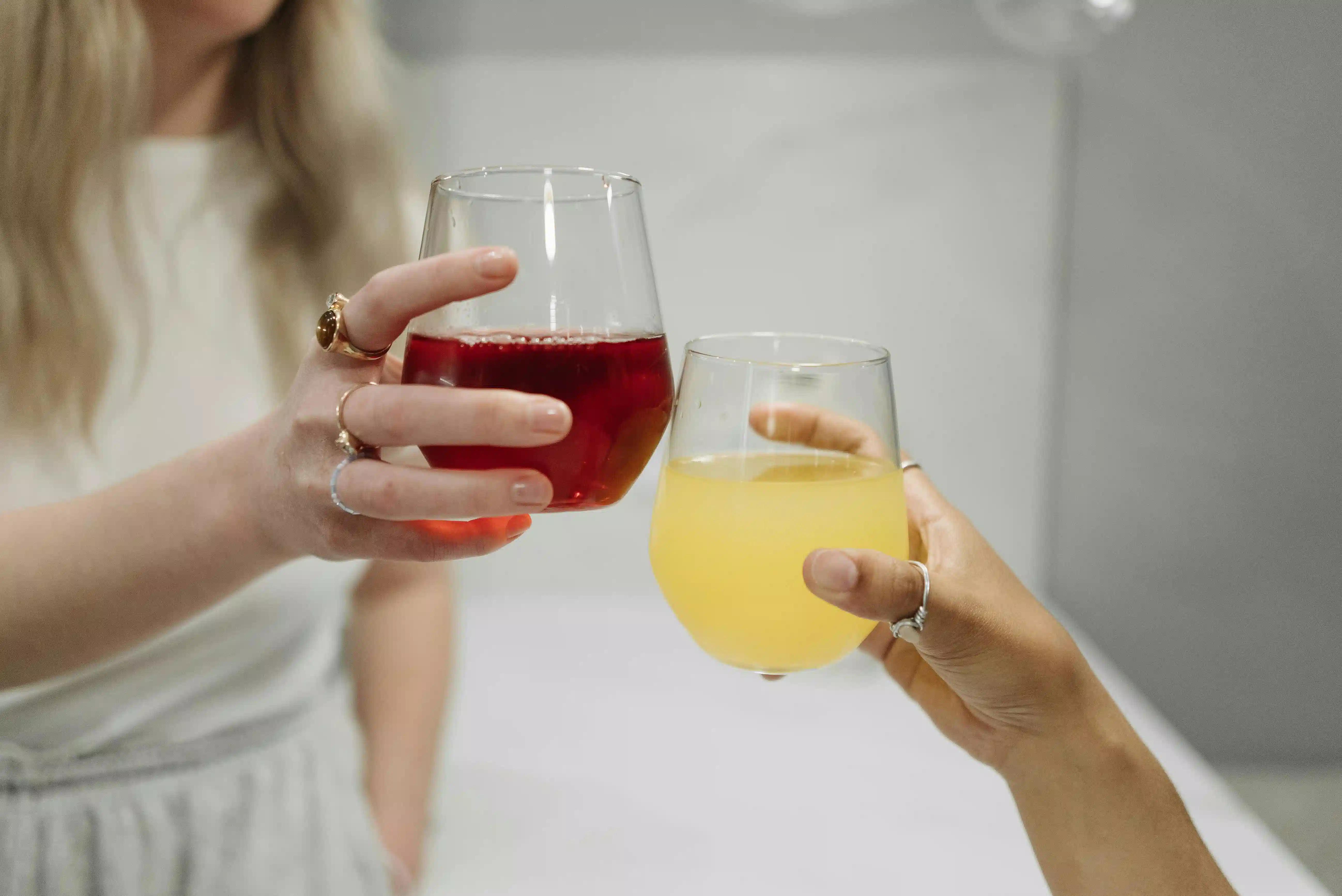
Most stemless wine glass options in the market look interchangeable in product photography. To find standouts, consider these factors that separate a glass worth owning from one that disappoints after a few uses.
Bowl Engineering
Glass shape affects how drinkers perceive aroma and flavor. Research using infrared imaging technology, conducted by scientists in Japan, demonstrated that ethanol vapor, which carries aromatic compounds, distributes very differently above a glass depending on bowl geometry.
A bowl that tapers toward the rim concentrates those compounds at the opening, where the nose encounters them first. A bowl that flares outward disperses them before they reach the drinker.
The best stemless wine glasses apply the former approach. They feature a controlled inward taper that works with the wine's chemistry rather than against it.
Base Stability
A stemless glass sits directly on its base, making base design central to both stability and, in some cases, performance. A flat, weighted base prevents tipping on uneven surfaces and contributes to the glass's overall sense of substance.
Some designs go further, like the Aequilibrium by Audacem. Each glass features a 360° pivot base that keeps the liquid in continuous gentle motion. This movement releases aromatic compounds progressively rather than all at once.
Wall Thickness
Thin walls feel elegant and allow the wine's color to show without distortion. Very thin walls chip easily and feel precarious in everyday use.
The best stemless wine glasses find the balance. A wall of roughly 1–2 mm delivers the feel of fine glassware without sacrificing structural integrity. Tritan crystal achieves this balance reliably.
Versatility Beyond Wine
A well-designed stemless wine glass is flexible. It can function well as a cocktail glass, a sparkling water vessel, or a container for non-alcoholic drinks.
The universal shape—a gently tapered bowl in the 14–16 oz range—handles all of these without looking out of place at the table. This versatility makes a quality stemless glass one of the most used pieces of glassware in any home.
Unexpected by Design
-
Red WineRegular price From $42.99 USDRegular priceUnit price per
$86.00 USDSale price From $42.99 USDSale -
Spirits & LiquorsRegular price From $39.99 USDRegular priceUnit price per
$80.00 USDSale price From $39.99 USDSale -
UniversalRegular price From $42.99 USDRegular priceUnit price per
$86.00 USDSale price From $42.99 USDSale -
Spirits & Red WineRegular price From $110.00 USDRegular priceUnit price per


Amazing! When you put it on the table, a glass without feet, and not one drop spilled when you put the wine in.
Stemless Wine Glass Trends to Know

The stemless wine glass category has evolved considerably over the past decade. These trends define what the best options look like now.
Lead-Free Crystal as the New Standard
Traditional crystal relied on lead oxide to achieve its characteristic clarity and weight. Lead-free crystal—using titanium, barium, or zirconium oxides in its place—now delivers comparable optical quality without the associated health considerations.
Most premium stemless wine glasses from the past several years use lead-free crystal as their default material. At the top end of the market, the transition is now effectively complete.
Engineered Bowl Shapes
Glassmakers increasingly apply material science and sensory research to bowl design. Varietal-specific stemless glasses have migrated from professional restaurant supply into the consumer market.
Designs that keep wine in motion, like the Aequilibrium's pivot base, represent a further development in this direction. Such innovations treat the glass as a functional vessel that enhances the drinking experience.
Minimal Design Over Decorative Glassware
Heavy cuts, colored glass, and ornamental surface patterns have given way to clean silhouettes. The current design sensibility favors a glass that allows the wine to speak. This means clear walls, a smooth profile, and no decorative elements that compete with the liquid inside.
A well-made minimal glass now reads as more premium than a heavily decorated one. Restraint has become its own signal of quality.
Unbreakable Options That Look Like Glass
BPA-free Tritan polymer has improved to the point where shatterproof stemless glasses are difficult to distinguish from glass in most settings. These options now appear regularly at outdoor events and in households where breakage is a genuine concern.
The best versions feature a thumb notch for grip, a polished rim, and a clarity that holds through repeated dishwasher cycles. The Govino design remains the benchmark in this subcategory.
How to Choose the Right Stemless Wine Glass
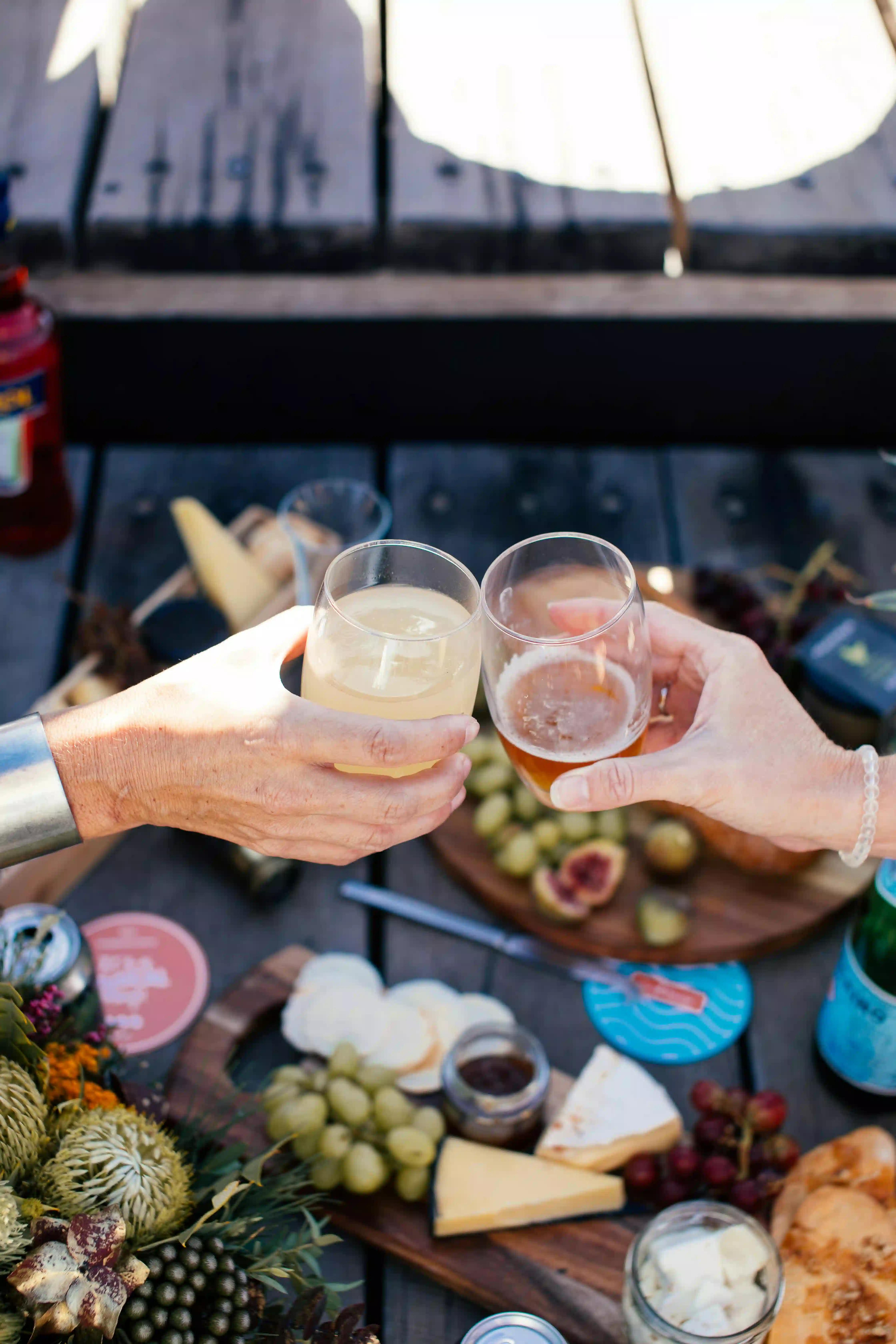
Three questions narrow the choice quickly: who uses the glass, in what setting, and how much you want to spend.
Know How You Drink
If red wine dominates your rotation, a wider-bowled stemless glass in the 16–18 oz range is the right starting point. If whites and rosés take priority, a narrower bowl in the 12–14 oz range preserves temperature more effectively.
If you drink across styles without strong preference, a universal stemless glass in the 14–16 oz range handles everything without meaningful compromise.
Match the Glass to the Setting
For indoor use at a properly set table, lead-free crystal justifies the investment. For outdoor use, travel, or a household where breakage is a real concern, Tritan crystal or BPA-free polymer makes the smarter choice.
There is no reason to limit yourself to a single type. A set of each covers every situation without forcing a trade-off.
Set a Realistic Budget
A good everyday stemless wine glass costs between $10 and $25 per glass. A premium lead-free crystal option runs $30–$60 per glass.
For gifting or a special occasion, a hand-blown crystal glass with a unique design, like the Audacem Aequilibrium, starts at $42.99 per glass. Spending more on fewer, better glasses produces a better outcome than the reverse.
Consider Storage
Stemless glasses take up less vertical space than stemmed ones but still need dedicated room. For limited cabinet space, look for stackable designs. Several casual stemless options stack cleanly without scratching. Store glasses upright rather than inverted to prevent moisture from accumulating inside the bowl.
Frequently Asked Questions
Are stemless wine glasses dishwasher-safe?
Many are, but the answer depends on the material. Tritan crystal and tempered glass handle the top rack of a dishwasher well. Fine lead-free crystal needs hand-washing to preserve its clarity and prevent surface dulling. Always check the manufacturer's care instructions before running a new glass through a dishwasher cycle.
Do stemless wine glasses affect the taste of wine?
The glass itself does not alter the wine's chemistry. Its shape affects how the drinker perceives aroma and flavor. A bowl that tapers toward the rim concentrates aromatic compounds at the opening, making the wine smell more expressive. Holding a stemless glass by the bowl also transfers warmth, which can dull the flavor of a well-chilled white over time. For casual, measured drinking, the effect is minimal.
Stemless vs. stemmed wine glasses: which is better?
The choice comes down to three factors: temperature, stability, and occasion. Stemmed glasses keep the drinker's hand away from the bowl, which preserves the wine's serving temperature. Stemless glasses transfer warmth from the hand to the bowl directly. On stability, stemless glasses have a lower center of gravity that makes them harder to knock over. They also store and travel more easily. For formal occasions and professional wine service, stemmed glasses remain the standard. For everyday home drinking, the stemless format handles most situations with equal competence.
What size stemless wine glass is best for everyday use?
A 14–16 oz stemless glass in a universal shape handles red wine, white wine, and sparkling wine well. This range is large enough to allow proper swirling without feeling unwieldy. For red wine specifically, a 16–18 oz bowl gives the wine more surface area to develop.
What is the difference between stemless wine glasses and wine tumblers?
People use the terms interchangeably, but a distinction exists. A stemless wine glass features a bowl shape that the manufacturer has designed to enhance wine. A wine tumbler is usually a straight-sided or slightly tapered cylinder, often with insulation, that prioritizes portability. For drinking wine at home, a stemless wine glass with a properly engineered bowl delivers a better experience than a standard tumbler.
Are stemless wine glasses good for sparkling wine?
Yes, with the right shape. A stemless glass with a narrower opening and a taller profile keeps bubbles contained. It gives the carbonation room to rise and carry aroma upward. Very wide or shallow stemless glasses speed up carbonation loss and flatten the experience. A universal stemless glass handles Champagne, Prosecco, and Cava competently for everyday occasions.
How do I clean stemless wine glasses without leaving water spots?
Hand-wash with a mild detergent and rinse well with warm water. Dry immediately with a clean microfiber towel rather than air-drying. Tap water leaves mineral deposits as it evaporates. For crystal, avoid abrasive sponges that scratch the surface. A small amount of white vinegar on a soft cloth removes existing water spots without damaging the glass.
What is the best stemless wine glass for a gift?
For gifting, choose lead-free crystal with a unique design and gift-ready presentation. The Aequilibrium Wine and Universal Glasses feature 100% lead-free, hand-blown crystal with a 360° pivot base that aerates wine continuously. Pair it with a bottle the recipient enjoys for a complete and memorable gift.
Can stemless wine glasses work for cocktails?
Yes. A universal stemless wine glass in the 14–16 oz range can handle cocktails over ice, spritz drinks, and non-alcoholic beverages. The bowl shape benefits drinks that gain from a generous surface area, and the glass reads as more considered than a standard tumbler. Many people find a quality stemless wine glass to be the single most versatile piece of glassware they own.
Shop the Aequilibrium Glass Collection
-
Red WineRegular price From $42.99 USDRegular priceUnit price per
$86.00 USDSale price From $42.99 USDSale -
Spirits & LiquorsRegular price From $39.99 USDRegular priceUnit price per
$80.00 USDSale price From $39.99 USDSale -
UniversalRegular price From $42.99 USDRegular priceUnit price per
$86.00 USDSale price From $42.99 USDSale -
Spirits & Red WineRegular price From $110.00 USDRegular priceUnit price per