
Quick Answer: How Many Calories in a Glass of Red Wine?
A standard 5 oz glass of red wine contains between 115 and 165 calories. The exact number depends on alcohol by volume (ABV) and residual sugar.
- Lighter Reds (Pinot Noir, Gamay) — 115–130 calories per 5 oz
- Mid-Weight Reds (Merlot, Malbec, Sangiovese) — 120–135 calories per 5 oz
- Full-Bodied Reds (Cabernet Sauvignon, Syrah) — 130–155 calories per 5 oz
- High-Alcohol Reds (Zinfandel, Amarone) — 145–170 calories per 5 oz
Most dry red wines contain very little residual sugar, so alcohol content is the biggest driver of calories.
Where Do the Calories in Red Wine Come From?
Red wine gets its calories from two sources: alcohol and sugar. Alcohol contains 7 calories per gram, nearly double the 4 calories per gram found in carbohydrates. Since most red wines ferment until they are bone dry, very little sugar remains. That makes alcohol content the dominant factor.
Tannins, color pigments, and all the other compounds that make red wine complex don't add meaningful calories. Neither do the fruit aromas nor the long finish.
It really comes down to alcohol—and, in sweet or fortified styles, residual sugar. That's why two different red wines can look identical in the glass and carry different calorie counts.
Alcohol Content and Calories
Each percentage point of ABV adds roughly 6 to 8 calories per standard 5 oz pour. A wine at 12% ABV carries fewer calories than one at 15% ABV, roughly 40 to 50 fewer per glass. That gap adds up quickly if you enjoy red wine regularly.
Residual Sugar and Calories
Most dry red wines contain less than 4 grams of residual sugar per liter, contributing fewer than 4 calories per glass. The number is essentially negligible.
Sweet red wines, off-dry styles, and fortified wines like Port are a different story. These can add 20 to 100 or more calories from sugar alone, depending on the style.
Calories in Red Wine by Type
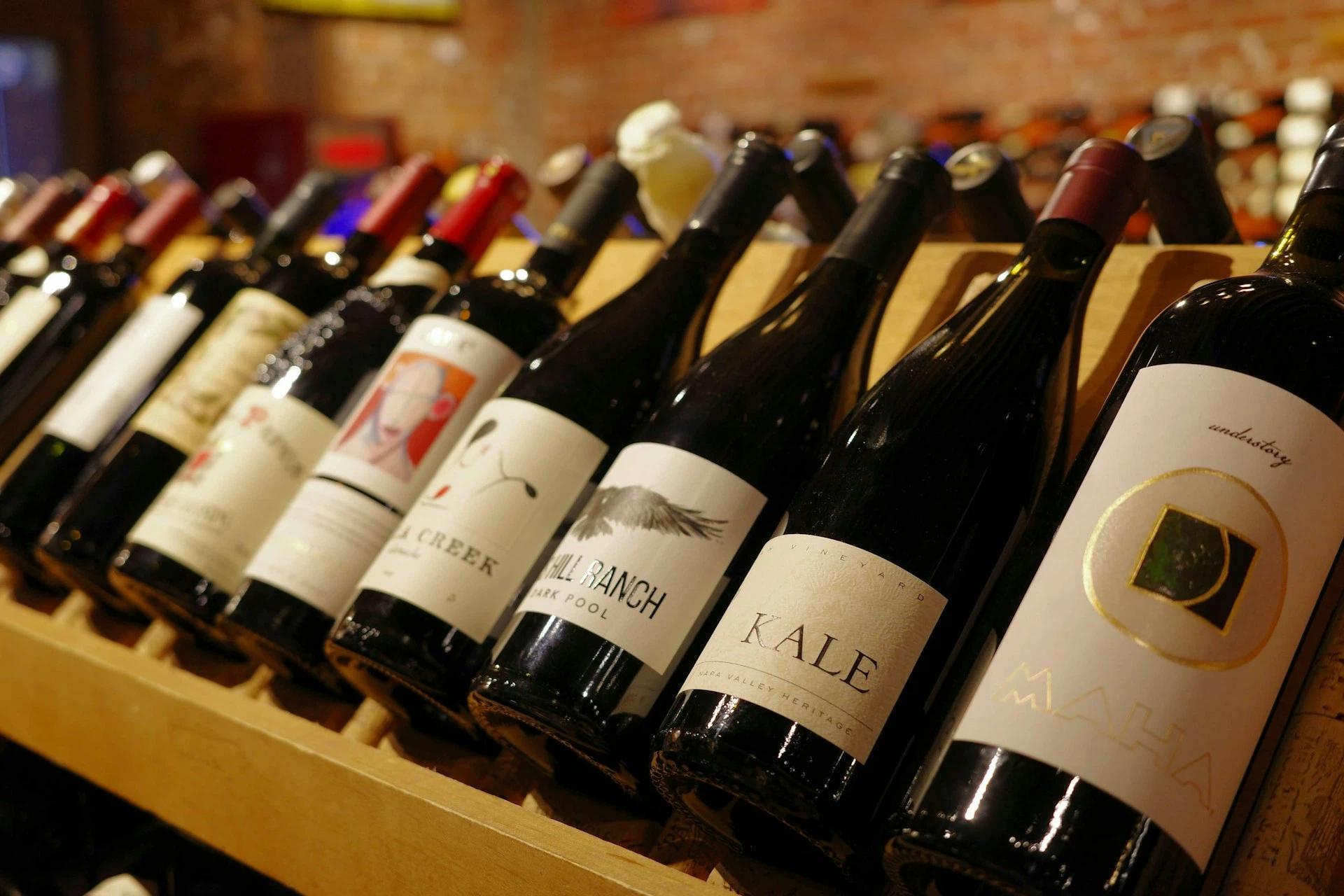
The calorie counts below cover a standard 5 oz pour and reflect typical ABV ranges for each variety. Individual bottles vary based on producer, vintage, and growing region.
- Gamay / Beaujolais (11–12.5% ABV): 110–125 calories
- Pinot Noir (12–13.5% ABV): 115–130 calories
- Sangiovese / Chianti (12–13.5% ABV): 120–135 calories
- Merlot (12.5–14% ABV): 120–135 calories
- Malbec (13–14.5% ABV): 125–140 calories
- Cabernet Sauvignon (13.5–15% ABV): 130–150 calories
- Syrah / Shiraz (13.5–15% ABV): 130–155 calories
- Zinfandel (14–16% ABV): 140–170 calories
- Port / Fortified Red (19–22% ABV): 185–260 calories per 2.5 oz serving
Lighter Reds vs. Full-Bodied Reds
The calorie gap between a Gamay and a Zinfandel is real. At one glass per day, choosing Pinot Noir over a high-alcohol Zinfandel saves roughly 30 to 40 calories per pour.
Over a week, that totals 200 to 280 calories, roughly equal to a small meal. That's one more reason to explore the lighter end of the red wine spectrum.
Designed for Aroma, Flavor, and a Proper Pour
Hand-blown crystal built for the way you drink. Precision and beauty in every pour of red wine.
Shop the Aequilibrium CollectionRed Wine vs. Other Alcoholic Drinks
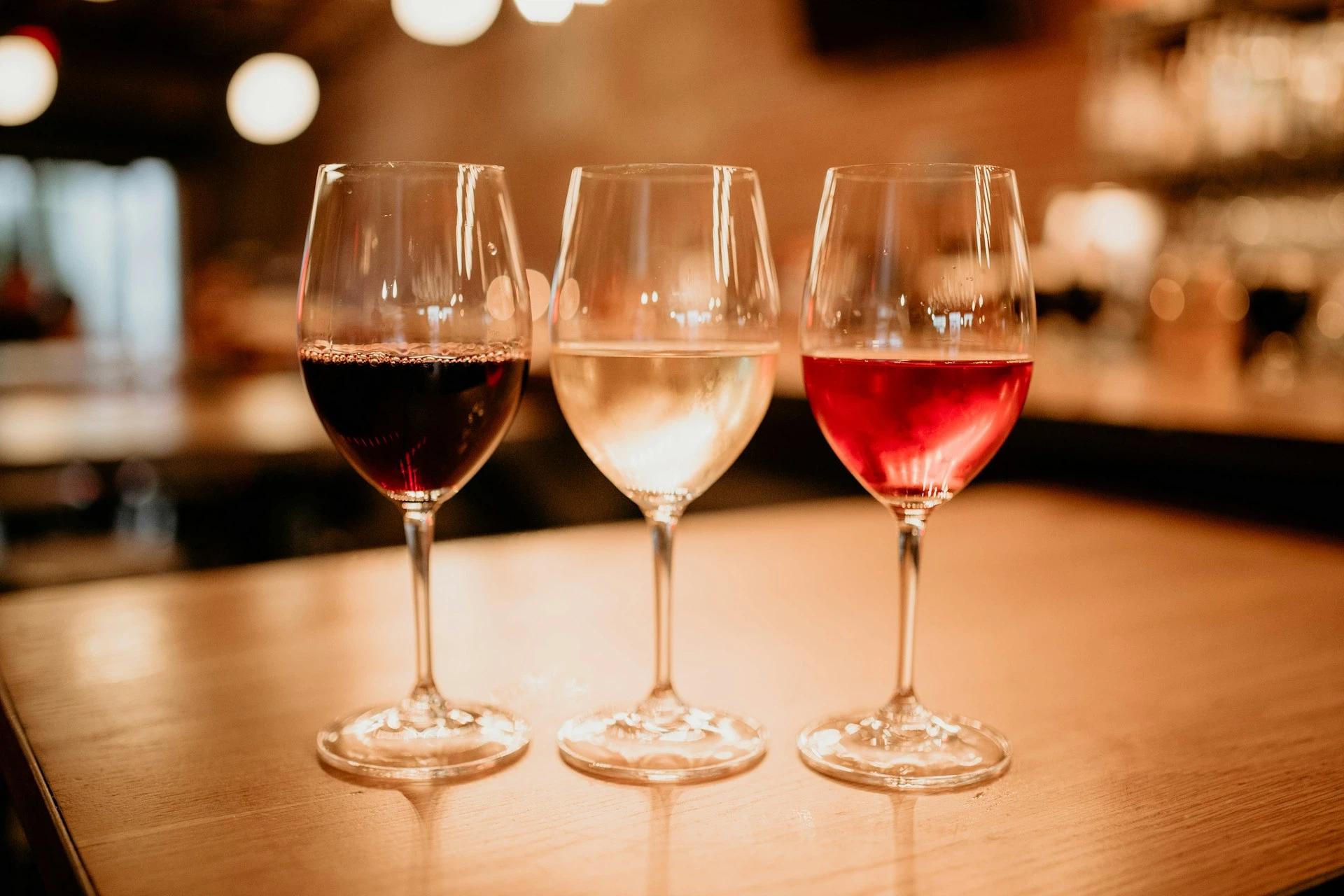
Red wine sits in a moderate position in the calorie landscape of alcoholic drinks. It carries more calories than a light beer and fewer than most cocktails, though the comparison depends on serving size.
- Light Beer (12 oz): 95–110 calories
- Standard Beer (12 oz): 140–180 calories
- Dry Red Wine (5 oz): 115–165 calories
- Dry White Wine (5 oz): 100–140 calories
- Vodka or Gin, Neat (1.5 oz): 95–105 calories
- Margarita (8 oz): 270–350 calories
- Piña Colada (8 oz): 350–500 calories
A glass of dry red wine carries fewer calories than most cocktails and a comparable number to a standard beer, but in a 5 oz serving rather than 12 oz. Weight for weight, red wine is more calorie-dense than beer, but the smaller serving size evens things out.
Spirits like vodka or gin appear lower in calories when served neat. But most people add mixers, and mixers can double or triple the calorie count. A dry red wine needs no mixer.
How to Enjoy Red Wine Without Overdoing the Calories
You don't need to give up red wine to manage calorie intake. A few deliberate habits make a real difference without sacrificing any of the pleasure.
Choose Lower-ABV Varieties
Pinot Noir, Gamay, and cool-climate Merlot tend to sit below 13% ABV and deliver full flavor with fewer calories. Scan the label before you buy. Anything under 13% is a good target if managing calorie intake matters to you.
Pour Deliberately
A standard 5 oz pour looks smaller than most people expect. Home pours frequently run 7 to 9 oz. That's 40 to 80% more calories than the numbers in any reference chart suggest. Being intentional about your pour size makes a big difference.
This is where your glass matters. Large, balloon-shaped red wine glasses invite generous pours by design. The bowl looks empty unless you fill it. A well-proportioned wine glass, sized to focus aroma and guide a standard 5 oz serving, keeps your pours honest without feeling restrictive.
The Audacem Aequilibrium Wine Glass takes this balance seriously. The hand-blown lead-free crystal, well-proportioned bowl, and 360º pivot base deliver full aroma and flavor from a proper pour. You get everything the wine has to offer without automatically reaching for more.
Also read: Best Red Wine Glasses, Tested and Reviewed
Pair Red Wine With Food
Enjoying red wine alongside a meal slows the pace of drinking. Food also moderates alcohol absorption. Lean proteins, vegetables, and whole grains keep the meal in balance.
Alternate With Water
One simple, effective habit: drink a full glass of water between each glass of wine. This approach cuts wine consumption in half without requiring willpower. It also keeps you hydrated through the evening.
Read the Alcohol Label
An increasing number of producers include ABV and nutritional information on the bottle or their website. A quality wine at 12.5% beats a mediocre wine at 15% on both taste and calorie count. The label tells you everything you need to know before you open the bottle.
Also read: Wine Glass Types: A Complete Guide to Every Style
Frequently Asked Questions
How many red wine calories per glass of red wine?
A 5 oz glass of red wine contains 115 to 165 calories, depending on alcohol content and residual sugar. Most dry red wines land between 120 and 145 calories per standard pour.
Does red wine have more calories than white wine?
Generally, red wine contains slightly more calories than white wine, because red wines tend to have higher alcohol content. The difference per glass is usually 10 to 20 calories. A light-bodied red can match or fall below a rich, high-ABV white wine. The variety and producer matter as much as the color.
Which red wine has the fewest calories?
Gamay and Pinot Noir are the lowest-calorie red wines, typically containing 110 to 130 calories per 5 oz pour. Both are light-bodied, tend toward lower ABV, and are dry by nature. Look for examples from cool-growing regions such as Burgundy, the Loire Valley, or Oregon.
How many calories are in a bottle of red wine?
A standard 750 ml bottle holds approximately five 5 oz servings. A mid-weight red at 125 calories per glass delivers around 625 calories per bottle. A full-bodied, high-alcohol red at 150 calories per glass reaches roughly 750 calories per bottle.
Does the type of wine glass affect how many calories I consume?
The glass itself doesn't change the calories in the wine, but it does influence how much you pour. Large, roomy wine glasses tend to encourage bigger pours. A properly sized glass helps you stay with a standard pour (5 oz serving) without feeling like you're short-changing yourself.
Is red wine high in sugar?
Most dry red wines contain less than 4 grams of residual sugar per liter, which translates to under 1 gram per standard 5 oz glass. This is not a meaningful source of dietary sugar. Sweet red wines, dessert styles, and fortified wines like Port contain significantly more, anywhere from 10 to 150 grams per liter.
Shop the Aequilibrium Glass Collection
-
Red WineRegular price From $42.99 USDRegular priceUnit price per
$86.00 USDSale price From $42.99 USDSale -
Spirits & LiquorsRegular price From $39.99 USDRegular priceUnit price per
$80.00 USDSale price From $39.99 USDSale -
WoodRegular price From $38.99 USDRegular priceUnit price per
$78.00 USDSale price From $38.99 USDSale -
 Sold outCeramicRegular price From $33.99 USDRegular priceUnit price per
$68.00 USDSale price From $33.99 USDSold out