
Quick Answer: The Best Whisky Tasting Glass
We expected the Glencairn to win. It did, but not alone.
For most drinkers, the Glencairn Whisky Glass remains the best overall. But after testing several options, we found other glasses worth keeping:
- Best Overall — Glencairn Whisky Glass. The most balanced combination of aroma concentration, sipping comfort, durability, and value.
- Best for Professional Nosing — Copita. The choice of distillers and blenders who value aroma analysis above all else.
- Best for Bold, Mature Whiskies — Snifter. Works well with heavily aged whiskies where richness matters more than precision.
- Best for Casual Drinking — Tumbler (Rocks Glass). Ideal for whisky on the rocks and cocktails, but the weakest option for serious tasting.
- Best for Comfort — Double-Walled Crystal Glass. Combines focused aromas with an easy-to-hold, tumbler-like feel.
- Best for Gifting — Audacem Aequilibrium Spirit Glass. A handcrafted crystal glass that pairs tasting performance with presentation. An ideal gift for whisky and spirits enthusiasts.
How Glass Shape Changes What You Smell and Taste
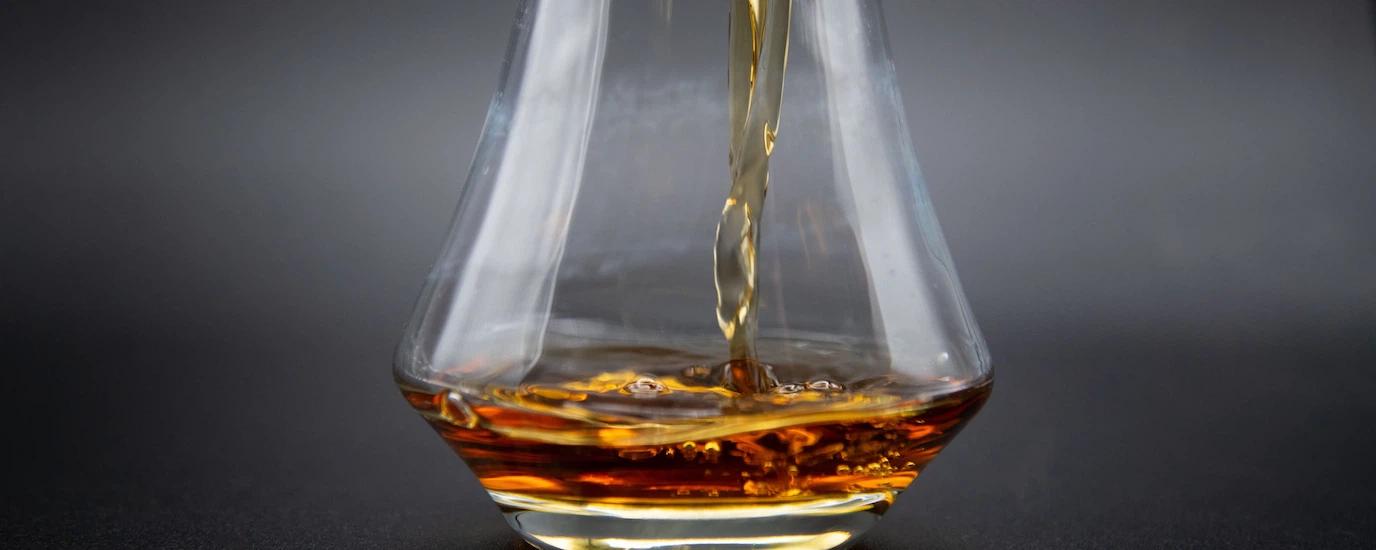
The glass controls three things: how much ethanol hits the nose first, how fast the spirit warms, and how the liquid lands on the palate. The wrong glass wastes the whisky's full potential.
Ethanol Evaporation
Ethanol molecules are lighter than the heavier aromatic compounds of whisky. A narrow opening acts as a passive filter. It lets those heavier molecules rise while lighter ethanol disperses above the rim. This is why a tulip-shaped glass performs better than a rocks glass with the same pour.
Heat Transfer
Hands run at around 98 degrees Fahrenheit. That heat moves to the glass, which accelerates evaporation. Slight warmth can open a whisky and make it more expressive, but too much heat flattens it.
A stem removes the hand from the equation entirely. A double-walled design goes further, using an air gap as insulation.
Rim Shape and Palate Delivery
A slightly outward-flaring rim guides whisky to the tip of the tongue where sweetness registers most strongly. A straight or inward rim sends it further back where bitterness and alcohol become more prominent. This is a subtle but real effect, most noticeable with cask-strength or high-proof expressions.
The 6 Best Whisky Tasting Glasses We Tested
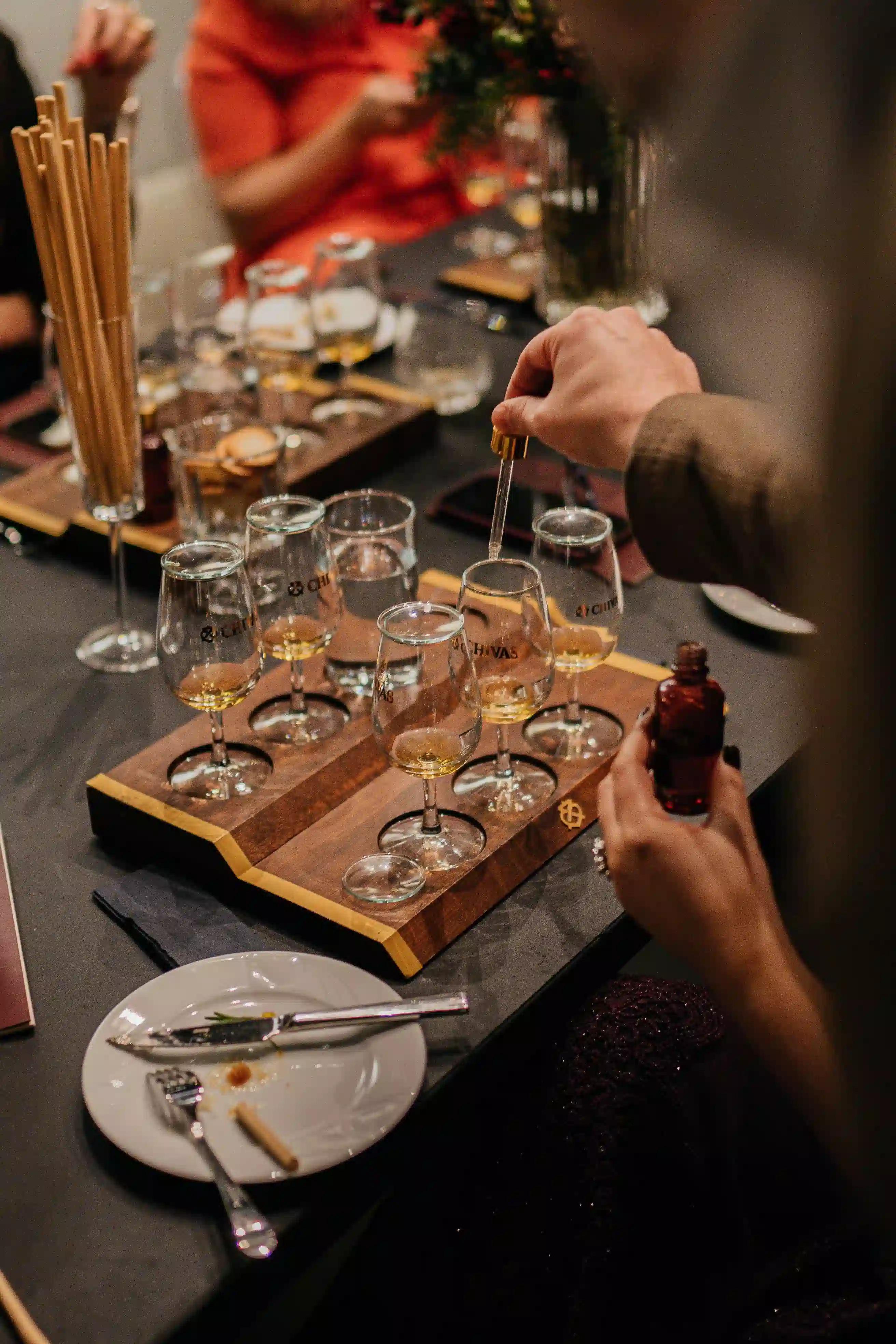
We poured the same whisky into six different glasses. We evaluated how each affected aroma concentration, palate delivery, sipping comfort, and overall drinking experience. See how they performed below.
*All prices indicated are estimates and may change over time.
The Glencairn Whisky Glass

The Glencairn is the official glass of the Scotch Whisky Association and the closest thing to an industry standard. Its wide bowl gives the spirit room to open up. The solid base keeps it stable on the table. The tapering rim channels aromatics cleanly toward the nose.
- Nose: Focused and layered. Floral and fruit notes arrive first, followed by oak and vanilla. No significant ethanol interference.
- Palate: Balanced delivery, with sweetness across the front and mid-palate.
- Sipping Comfort: Excellent. The rim fits naturally to the lip.
- Best For: Daily tasting, Scotch, Japanese whisky, bourbon.
- Budget: Affordable. Typically $8–15 per glass. Sets range from $20–40, depending on pack size and retailer.
Also read: What Is a Glencairn Whiskey Glass? A Complete Guide
The Copita (Tulip/Stemmed Glass)
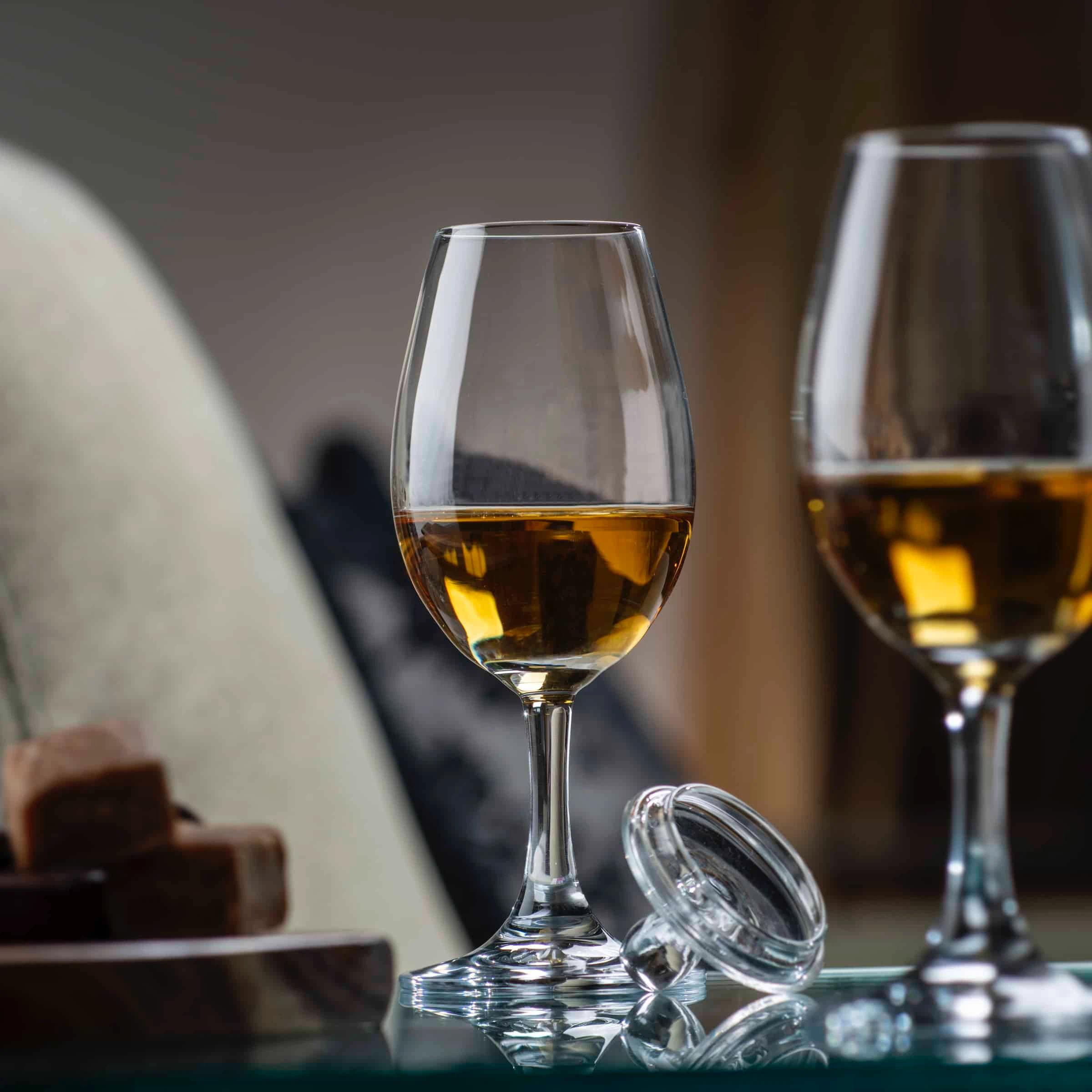
The copita originated in the Spanish sherry trade. It became the tool of choice for master distillers and blenders worldwide. The long stem keeps hand heat well away from the bowl. The narrower opening makes this the most precise nosing glass of the six.
- Nose: The most layered of all six glasses, with fruit first, then malt, then wood. The narrow aperture rewards patience.
- Palate: Requires tilting the head back further than other glasses to sip, which feels awkward at first.
- Sipping comfort: Takes some getting used to, but rewarding.
- Best For: Formal tastings, professional nosing, delicate single malts.
- Budget: Moderate. Usually $10–20 per glass for standard versions. Premium crystal or branded tasting copitas range from $20–40 each.
Also read: Best Scotch Whisky Glass: Glencairn, Copita or Tumbler?
The Snifter
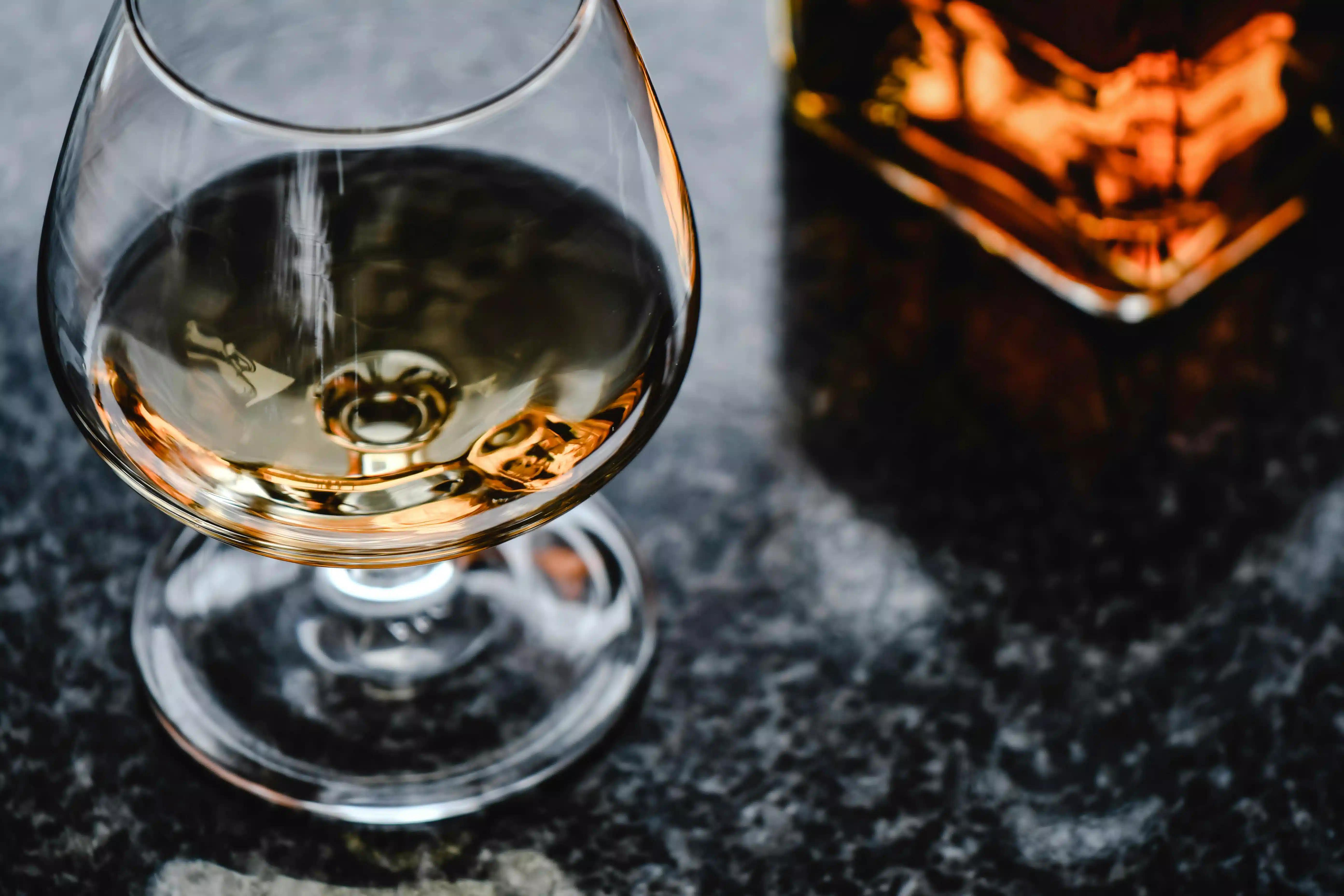
The snifter looks the part: wide bowl, dignified curves, and associations with leather armchairs and cigars. But that wide surface area works against serious tasting. It accelerates ethanol evaporation and sends a wave of alcohol vapor toward the nose.
- Nose: Ethanol-forward at first. With time and patience, stone fruit, caramel, and leather come through.
- Palate: Comfortable and confident. The wide bowl encourages a generous sip.
- Sipping Comfort: Good, especially for those who like warming the bowl in their palm.
- Best For: Bold, aged whiskies where power matters more than subtlety.
- Budget: Affordable to mid-range. Typically $5–15 per glass for standard versions. Premium crystal snifters range from $20–50, depending on brand and finish.
The Tumbler (Rocks Glass)
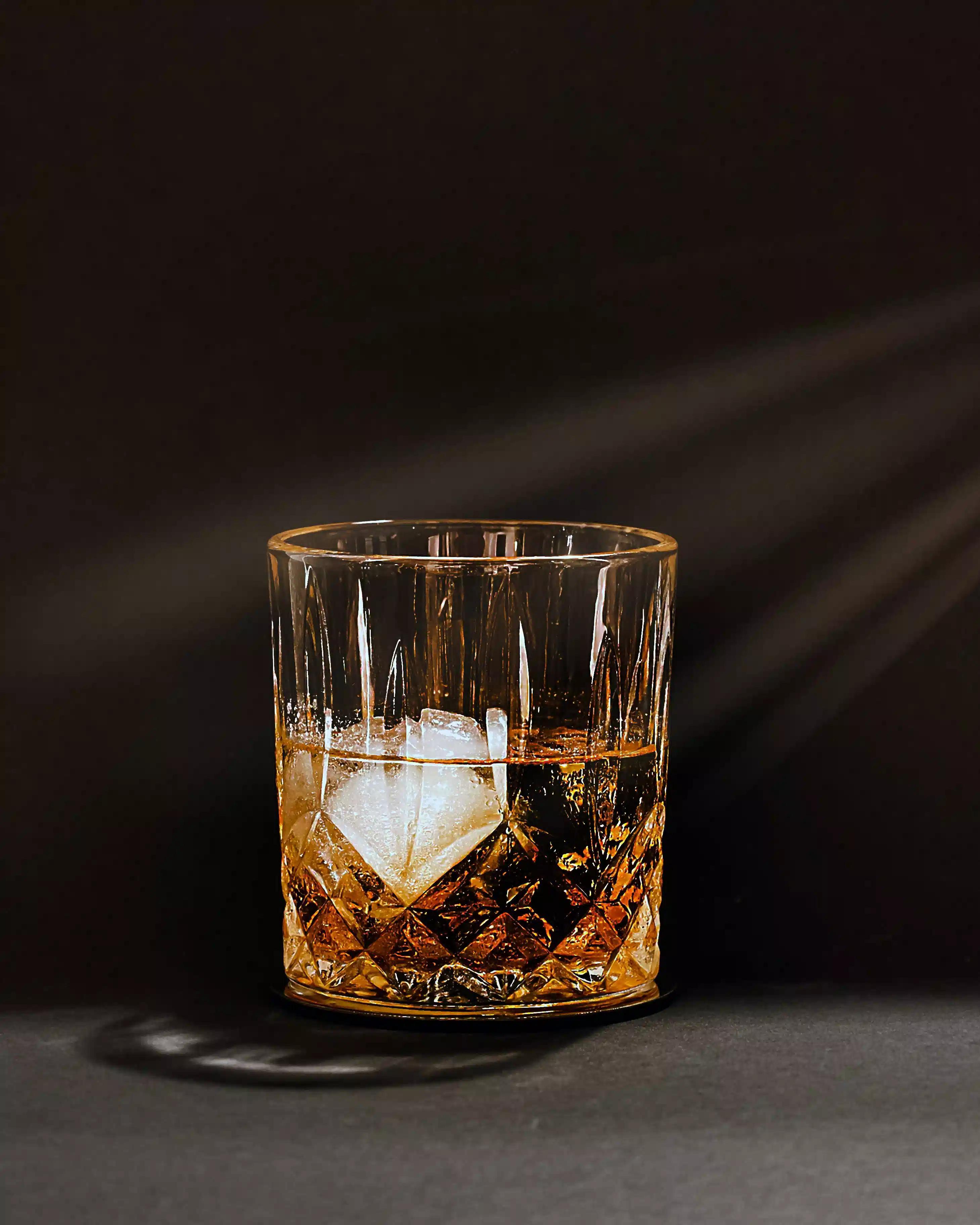
The tumbler is the most recognizable glass in the whisky world, but the weakest performer for tasting. Its wide opening disperses aroma fast. What you lose in complexity, though, you gain in ease.
- Nose: Faint. Ethanol dominates. Subtler notes require real effort to detect.
- Palate: Honest and uncomplicated. Whisky tastes more straightforward, which can sometimes be exactly what you want.
- Sipping Comfort: The best whisky glass for comfort, among the six glasses. Natural, easy, no technique required.
- Best For: Casual sipping, cocktails, whisky on the rocks. Not for serious evaluation.
- Budget: Very affordable. Typically $2–10 per glass for standard barware. Higher-end crystal or branded sets range from $10–25, depending on design and manufacturer.
The Double-Walled Crystal Glass
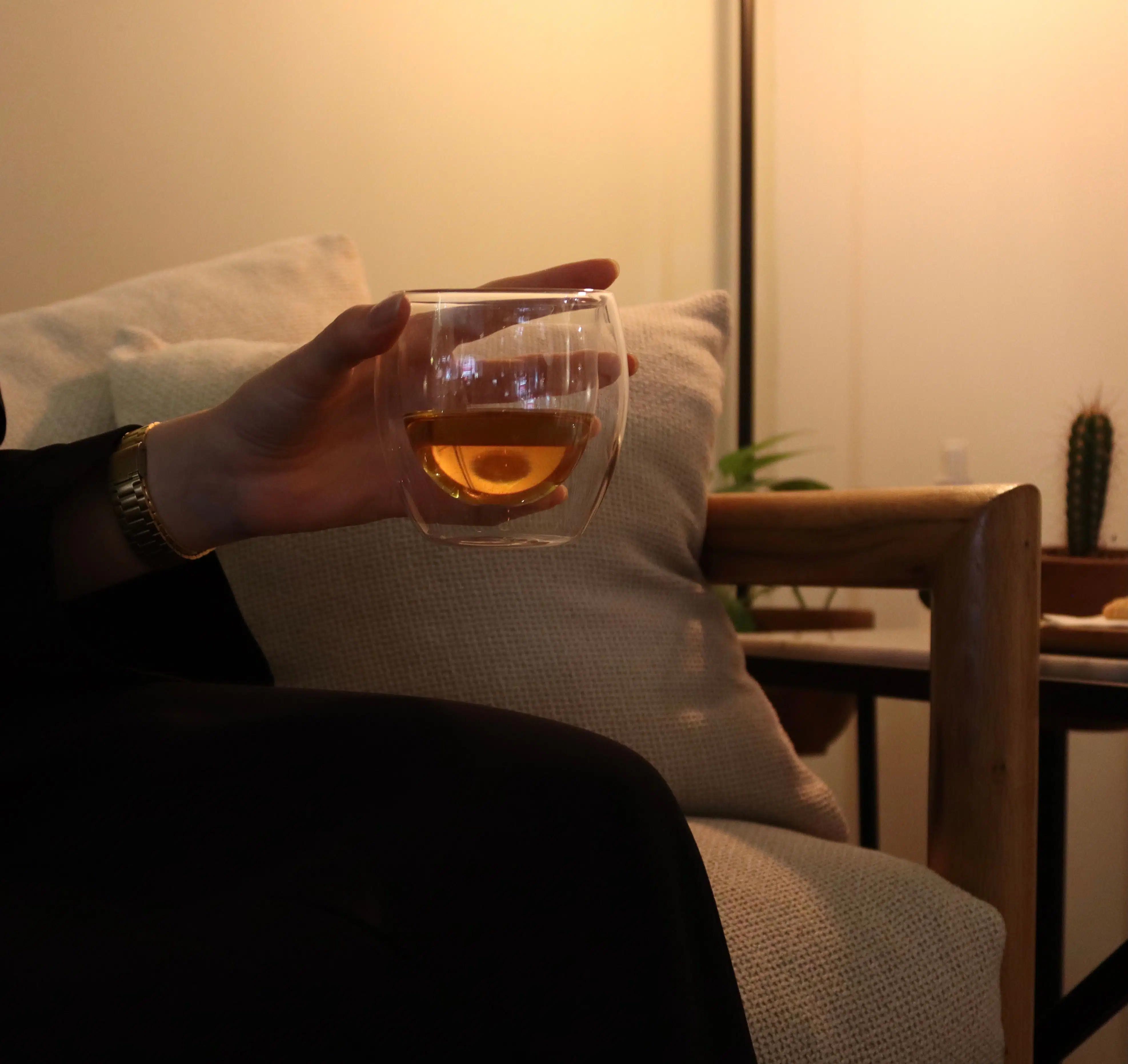
A double-walled design places an air gap between the spirit and your hand, eliminating heat transfer. The inner bowl focuses aromatic compounds, while the outer wall gives a natural grip without warming the dram. A well-engineered version of this glass delivers spirits to the center-front of the palate, where sweetness registers most clearly.
- Nose: Comparable to the Glencairn Whisky Glass. Consistent from the first sip to the last, thanks to stable temperature throughout the pour.
- Palate: Sweetness-forward delivery. The inner bowl geometry guides the spirit to the front of the tongue.
- Sipping Comfort: The best of any tasting-focused glass. Holds like a tumbler, but performs like a copita.
- Best For: Home tasting sessions and daily drinkers who want both performance and ease.
- Budget: Mid-range to premium. Usually $15–40 per glass for well-made versions. High-end crystal or designer double-walled glasses range from $40–80+, depending on brand and build quality.
The Audacem Aequilibrium Spirit Glass
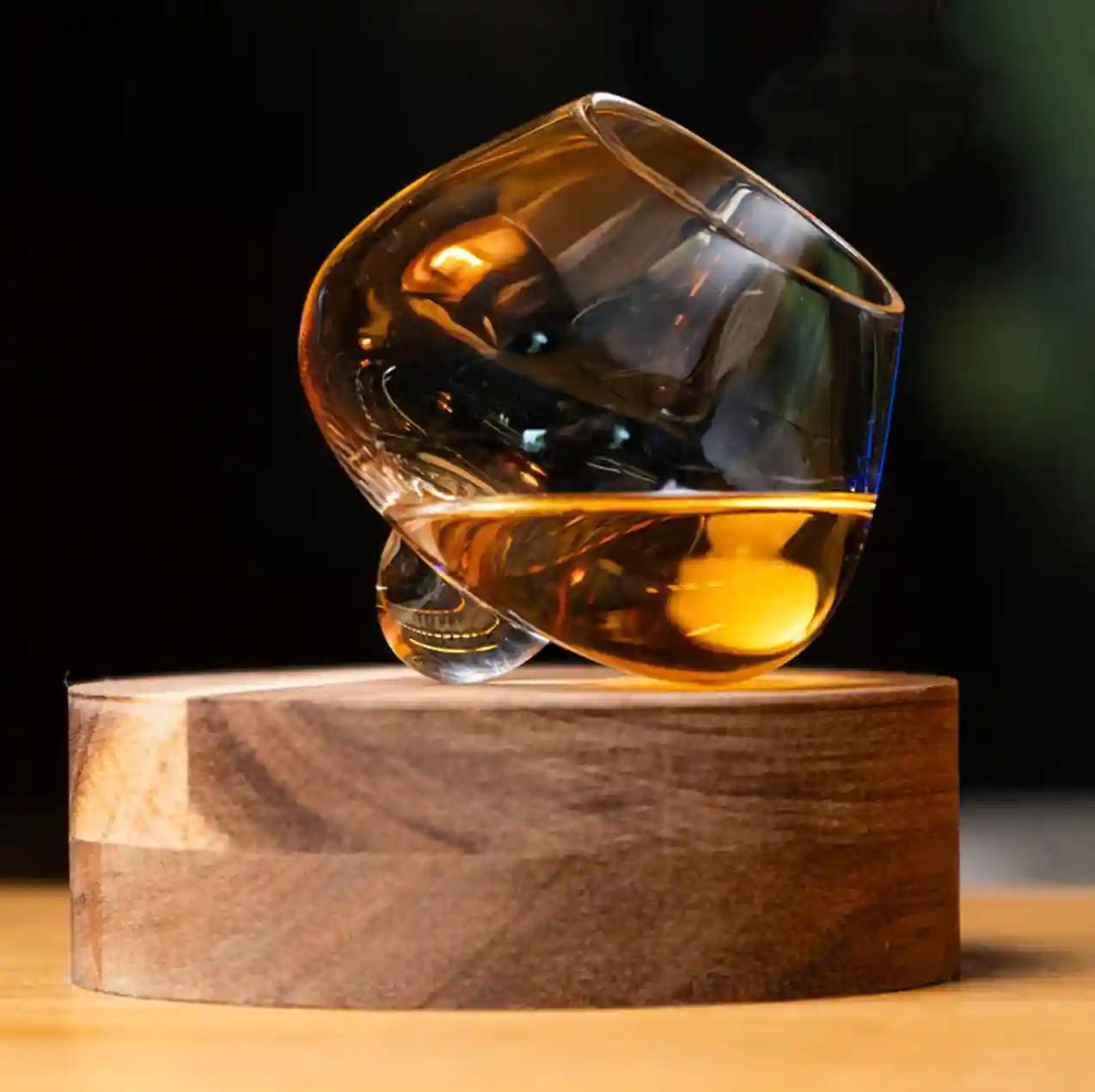
Most whisky glasses focus primarily on analysis. The Aequilibrium Spirit Glass takes a broader approach. It blends tasting performance with handcrafted crystal construction and a presentation-focused design. It feels equally at home on a tasting table or as a premium gift.
- Nose: Open and expressive. Aromas develop naturally in the bowl, revealing layers of fruit, spice, oak, and vanilla without overwhelming the senses.
- Palate: Balanced and approachable. The wide bowl and pivoting base allow the whisky's texture and complexity to shine.
- Sipping Comfort: Excellent. The crystal construction feels refined in the hand. The distinctive pivot design creates a more engaging experience than traditional whisky tasting glasses.
- Best For: Gifting, special occasions, premium whiskies, and drinkers who value presentation as much as performance.
- Budget: Premium but accessible. At $39.99 per set of two on sale (originally $80), it works out to about $20 per glass, depending on pricing tier and promotion.
Upgrade Your Tasting Experience
The Aequilibrium brings precision engineering to every dram. Hand-blown crystal with a pivot base for enhanced aroma.
Shop the Aequilibrium CollectionWhat to Look for in a Whisky Tasting Glass
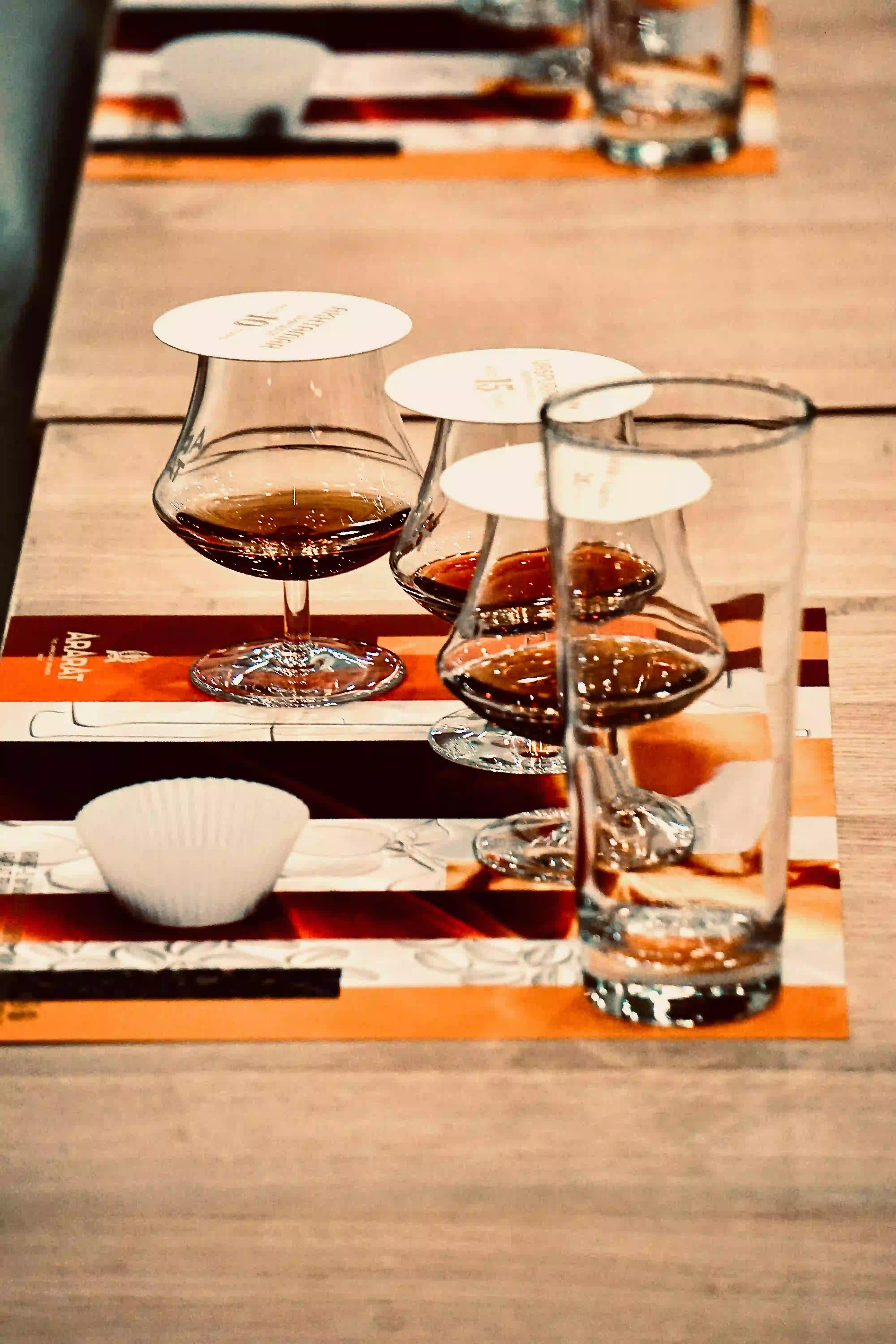
The best whisky glasses share a few important design traits that help unlock aroma and improve the drinking experience. Before choosing one, it helps to understand how material, shape, and construction affect performance.
Material: Crystal vs. Glass
Lead-free crystal is thinner, clearer, and manufactured to tighter tolerances than standard glass. It shows whisky color accurately and holds a more consistent shape. Standard glass works fine for casual use, while crystal performs better for dedicated tasting.
Bowl Shape
Look for a tulip profile: wider at the base, narrowing toward the rim. This shape is the most effective at concentrating aromatics. Avoid wide-mouthed or straight-sided vessels if nose performance matters.
Rim Width
Narrower is better for nosing. A rim diameter of roughly 1.5 to 2 inches concentrates aromas effectively. Much wider than 2.5 inches and aromatics disperse before they reach you.
Stem vs. Stemless
A stem removes hand heat and lets you assess color without interference. The trade-off is stability. Double-walled stemless designs solve this by insulating the spirit.
Capacity
Most whisky tasting glasses hold 6 to 9 ounces, but you pour 1 to 2 ounces. That extra volume gives room to swirl without spilling. Under 4 ounces sacrifices swirling space. Over 12 ounces dilutes aroma concentration.
Durability and Care
Crystal requires hand washing. Standard glass is often dishwasher-safe. Check the manufacturer's guidance before committing to a glass.
Also read: Types of Whiskey Glasses for the Perfect Glass of Whiskey
Our Verdict: Which Whisky Tasting Glass Is Best?
The Glencairn remains the best whisky tasting glass for most people. It offers the strongest balance of aroma concentration, usability, durability, and value. It is the easiest recommendation for both beginners and enthusiasts.
That said, the best whisky glass still depends on how you enjoy your whisky.
- Choose the Glencairn Whisky Glass if you want the best all-around performer.
- Choose the Copita if aroma analysis is your top priority.
- Choose the Double-Walled Crystal Glass if comfort and temperature control matter most.
- Choose the Snifter if you prefer rich, mature whiskies and an immersive sipping experience.
- Choose the Tumbler if you primarily drink whisky on the rocks or in cocktails.
- Choose the Audacem Aequilibrium Spirit Glass if you're looking for a memorable gift or a more elevated way to enjoy premium spirits.
No single glass is perfect for every situation. But if you own both a Glencairn and an Aequilibrium, you'll be well equipped for everything, from serious tasting sessions to special occasions.
Also read: The 7 Best Whiskey Glasses for Better Taste
Frequently Asked Questions
What is the best glass for whisky tasting?
The Glencairn remains the best all-around whisky tasting glass for most drinkers. The copita is more precise for professional nosing. A premium crystal glass like the Aequilibrium offers a more presentation-focused experience that excels for gifting and special occasions.
Does the type of glass really change how whisky tastes?
Yes. Glass shape affects ethanol evaporation, aroma concentration, heat transfer, and how the spirit lands on the palate. The same whisky can taste sweeter, more complex, or harsher depending on the glass used. This is not a minor effect.
What is a Glencairn Whisky Glass?
The Glencairn is a tulip-shaped whisky glass developed in Scotland in 2001. It became the official glass of the Scotch Whisky Association and is now used at distilleries and competitions worldwide. Its wide bowl concentrates aromatics, and its tapered rim directs them toward the nose.
What is the difference between a copita and a Glencairn?
Both are tulip-shaped, but the copita has a longer stem and a narrower opening. The stem keeps hand heat away from the bowl. The narrow opening makes it the better nosing glass of the two. The Glencairn has no stem. It is more stable and robust, which makes it better for everyday use.
Can you drink whisky from a regular glass?
You can, but a regular glass, like a tumbler, disperses aroma quickly because of its wide opening. You will pick up far less of the whisky's complexity on the nose. For casual drinking on the rocks, a tumbler is fine. For tasting and appreciation, a tulip-shaped glass makes a real and noticeable difference.
Is crystal better than glass for whisky?
Yes, for dedicated enthusiasts. Lead-free crystal is thinner, clearer, and manufactured to tighter tolerances than standard glass. It shows whisky color accurately and has a more refined feel in the hand. For casual drinking, the difference is modest.
Shop the Aequilibrium Glass Collection
-
Red WineRegular price From $42.99 USDRegular priceUnit price per
$86.00 USDSale price From $42.99 USDSale -
Spirits & LiquorsRegular price From $39.99 USDRegular priceUnit price per
$80.00 USDSale price From $39.99 USDSale -
WoodRegular price From $38.99 USDRegular priceUnit price per
$78.00 USDSale price From $38.99 USDSale -
 Sold outCeramicRegular price From $33.99 USDRegular priceUnit price per
$68.00 USDSale price From $33.99 USDSold out