
What Are the Different Types of Whiskey Glasses?
The most common types of whiskey glasses are:
- Rocks Glass (Old Fashioned Glass) — wide, short, and built for whiskey on the rocks or cocktails
- Glencairn Glass — tulip-shaped with a tapered mouth, designed specifically for nosing and tasting whiskey neat
- Copita (Nosing Glass) — long-stemmed tulip glass used by master blenders and serious tasters
- Snifter — wide-bowled brandy-style glass that works for aged, complex whiskeys
- Highball Glass — tall and narrow, made for whiskey cocktails and long drinks with mixers
- NEAT Glass — a modern, science-based design that disperses harsh ethanol vapors before they reach your nose.
Why the Type of Whiskey Glass You Choose Matters
Pouring the perfect glass of whiskey starts with choosing the right vessel. Its shape influences how the spirit opens up on the palate. Pour the same bourbon into a rocks glass and a Glencairn, and you'll get two distinct experiences.
This guide covers the most popular types of whiskey glasses. Below, we explain what each one does well and help you match the perfect glass to the way you drink.
Also read: The 7 Best Whiskey Glasses for Better Taste
The Rocks Glass (Old Fashioned Glass)
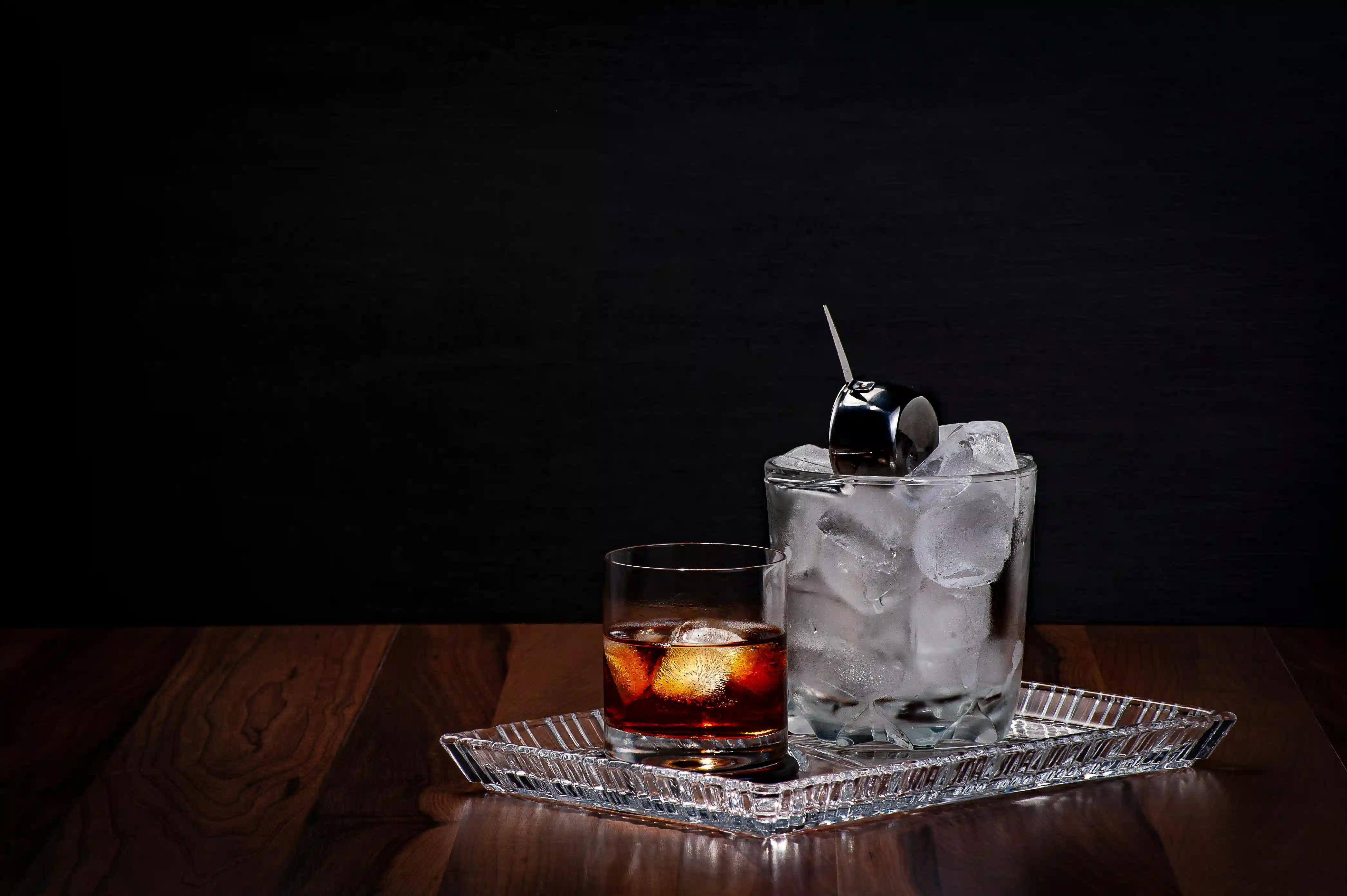
The rocks glass is the most recognized whiskey glass in the world. Short, wide, and sturdy, it goes by several names: Old Fashioned glass, lowball glass, or tumbler. Most people picture this glass when they think of a classic glass of whiskey.
What It’s Best For
The rocks glass shines with whiskey on the rocks, whiskey with a splash of water, and classic cocktails like the Old Fashioned and the Whiskey Sour. Its thick base is ideal for muddling (pressing sugar, bitters, and citrus directly in the glass). The wide opening makes it easy to drink from and lets you add large ice cubes or whiskey stones without fuss.
Where It Falls Short
That same wide opening works against you when you're tasting whiskey neat. Aromas escape quickly, and the glass doesn't concentrate them toward your nose. If you want to appreciate the full complexity of a single malt or a well-aged bourbon, a rocks glass won't give you the full picture.
Sizes To Know
A standard rocks glass holds 6–8 oz. A double rocks glass (also called a Double Old Fashioned) holds 10–14 oz and gives you more room for ice and a larger pour. If you drink whiskey on the rocks regularly, the double rocks glass is the more practical choice.
The Glencairn Glass
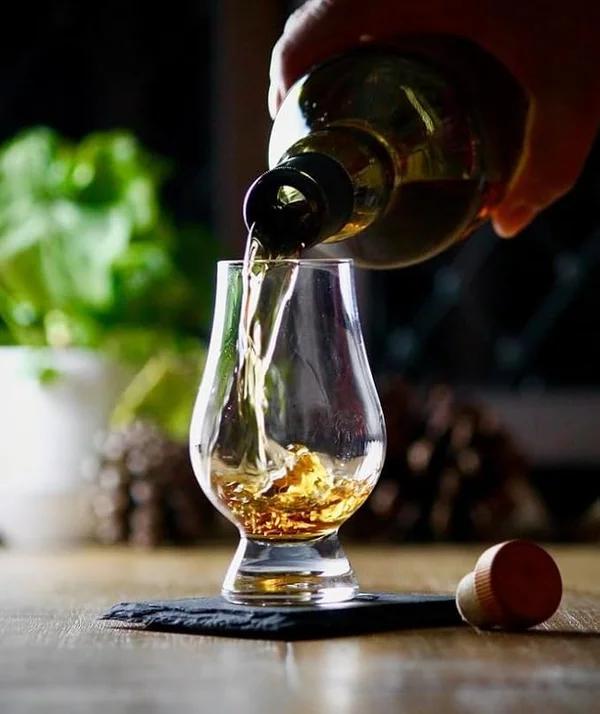
The Glencairn is the gold standard for tasting whiskey neat. Developed in Scotland in 2001 by Glencairn Crystal, it was the first glass designed specifically for whiskey. It earned the endorsement of the Scotch Whisky Association within a few years of launch.
The Shape and Why It Works
The Glencairn has a wide bowl that narrows toward a tapered mouth. The bowl gives the whiskey room to breathe and lets you swirl it easily. The tapered mouth funnels aromas upward and concentrates them at the rim, so you get a full nose before you take a sip. The solid base (no stem) keeps the glass stable and comfortable to hold.
What It’s Best For
Scotch whisky, Irish whiskey, Japanese whisky, and rye all benefit from the Glencairn's design. It's the glass you'll find at distillery tours, whiskey festivals, and professional tastings worldwide. Bourbon drinkers use it too, though some prefer a slightly wider opening that lets the sweeter, vanilla-forward aromas breathe more freely.
Capacity and Pour Size
The standard Glencairn glass of whiskey holds about 6 oz total, but it's ideal for a 1–1.5 oz pour. That extra headspace is intentional. It's where the aromas collect before you nose the glass. Don't fill it more than a third of the way.
Read more about the Glencairn glass: What Is a Glencairn Whiskey Glass? A Complete Guide
The Copita (Nosing Glass)
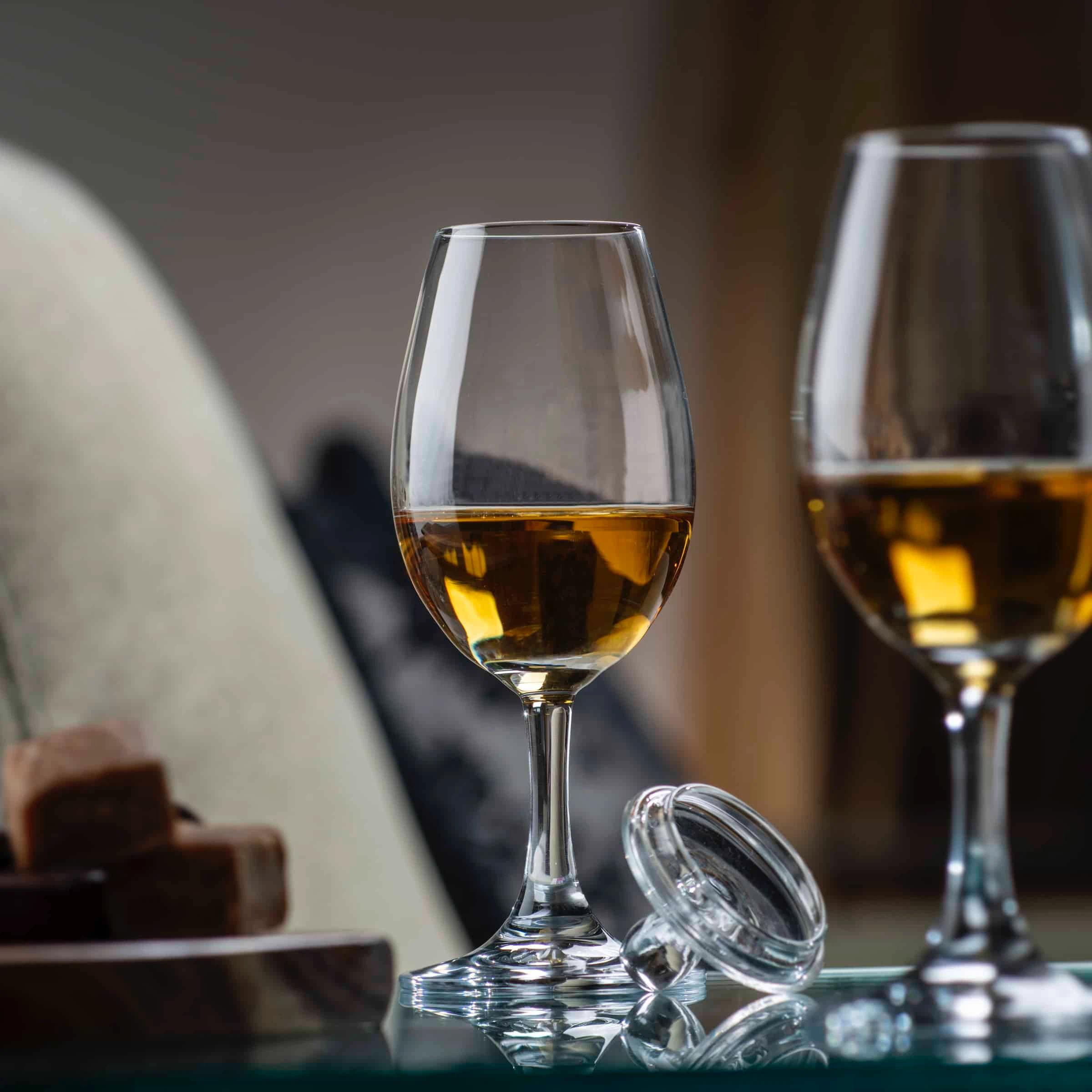
The copita is the Glencairn's ancestor. Originally a Spanish sherry glass, whisky distillers and blenders adopted it centuries ago as the professional nosing glass of choice. Master blenders at Scotch distilleries still use it today.
The Shape and Why It Works
The copita has a tulip-shaped bowl on a long, thin stem. The stem keeps your hand away from the bowl, so body heat doesn't warm the spirit. The tulip shape concentrates aromas just as effectively as the Glencairn. Some tasters argue even better, because the longer stem gives you more control over how you hold and tilt the glass.
The Trade-Off
The stem makes the copita more fragile and less practical for everyday use. It's the right tool for a focused tasting session, but it's not the glass you reach for on a casual evening. If you want the sensory benefits of the copita in a more durable format, the Glencairn is the natural step down.
A Modern Alternative
For a unique option that retains the tulip shape of the copita but removes the stem altogether, consider the Aequilibrium Spirit Glass by Audacem. Aside from the wide bowl, it features a pivot base that actively aerates the whiskey in between sips.
Engineered for a Better Glass of Whiskey
The Aequilibrium Spirit Glass aerates your whiskey as you hold it — hand-blown from lead-free crystal.
Shop the Aequilibrium CollectionThe Snifter (Brandy Glass)
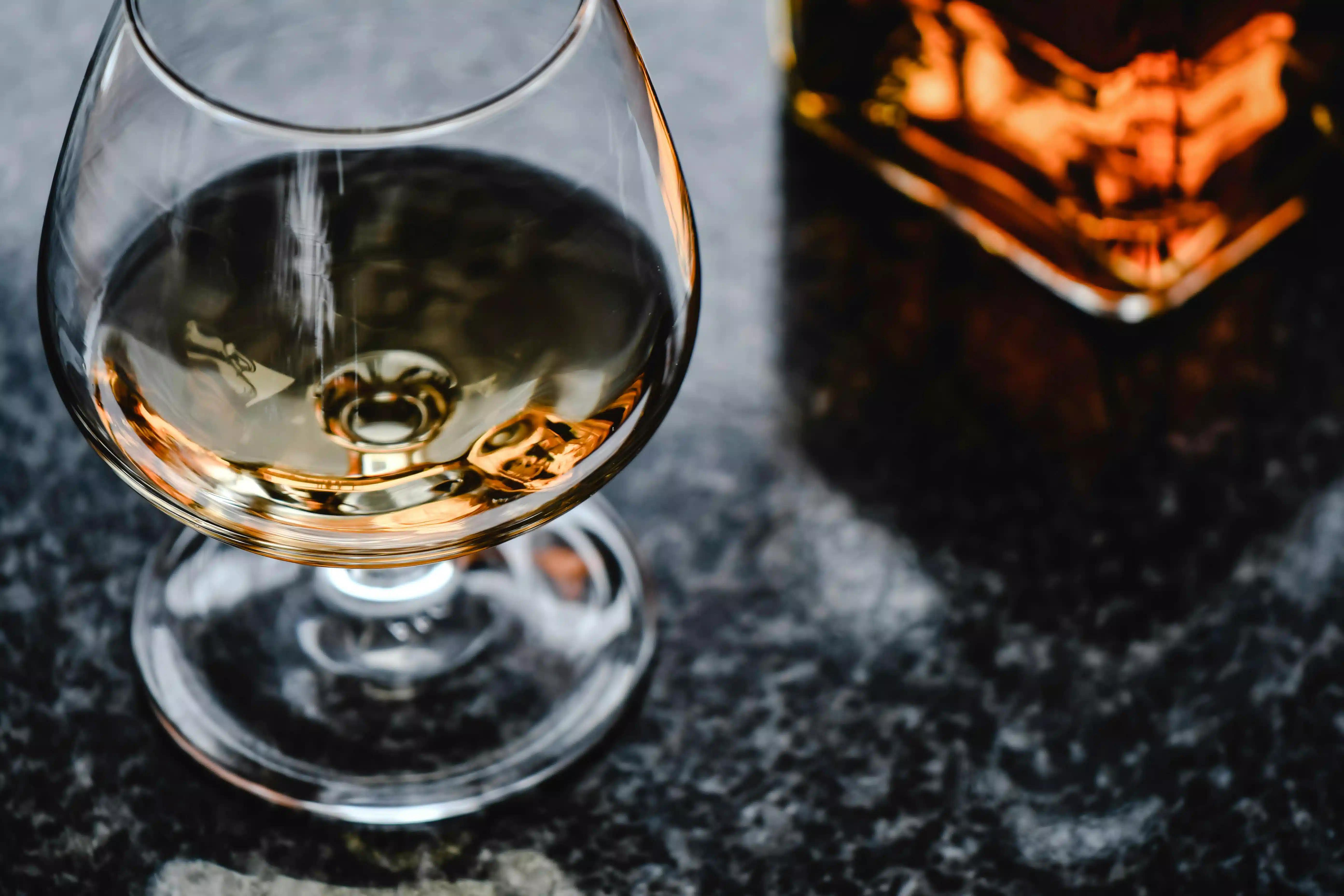
The snifter, also called a balloon glass or brandy bowl, has a wide, rounded body and a short stem. It was originally designed for brandy and cognac, but it crossed over into whiskey culture and became associated with aged, premium spirits.
What It’s Best For
The snifter works well for heavily aged, complex whiskeys, like an 18-year Scotch or a well-matured Irish single malt. The wide bowl lets the spirit breathe and warm slightly in your hand, which opens up the deeper, richer notes. You can hold it almost horizontally without spilling, which makes swirling easy.
Where It Falls Short
The snifter's wide mouth can work against you with high-proof whiskeys. The large opening lets too much ethanol vapor escape at once, which can overwhelm your nose and mask the subtler aromas. For cask-strength or high-ABV expressions, a glass with a tighter taper (like the Glencairn) does a better job of managing the alcohol.
The Highball Glass
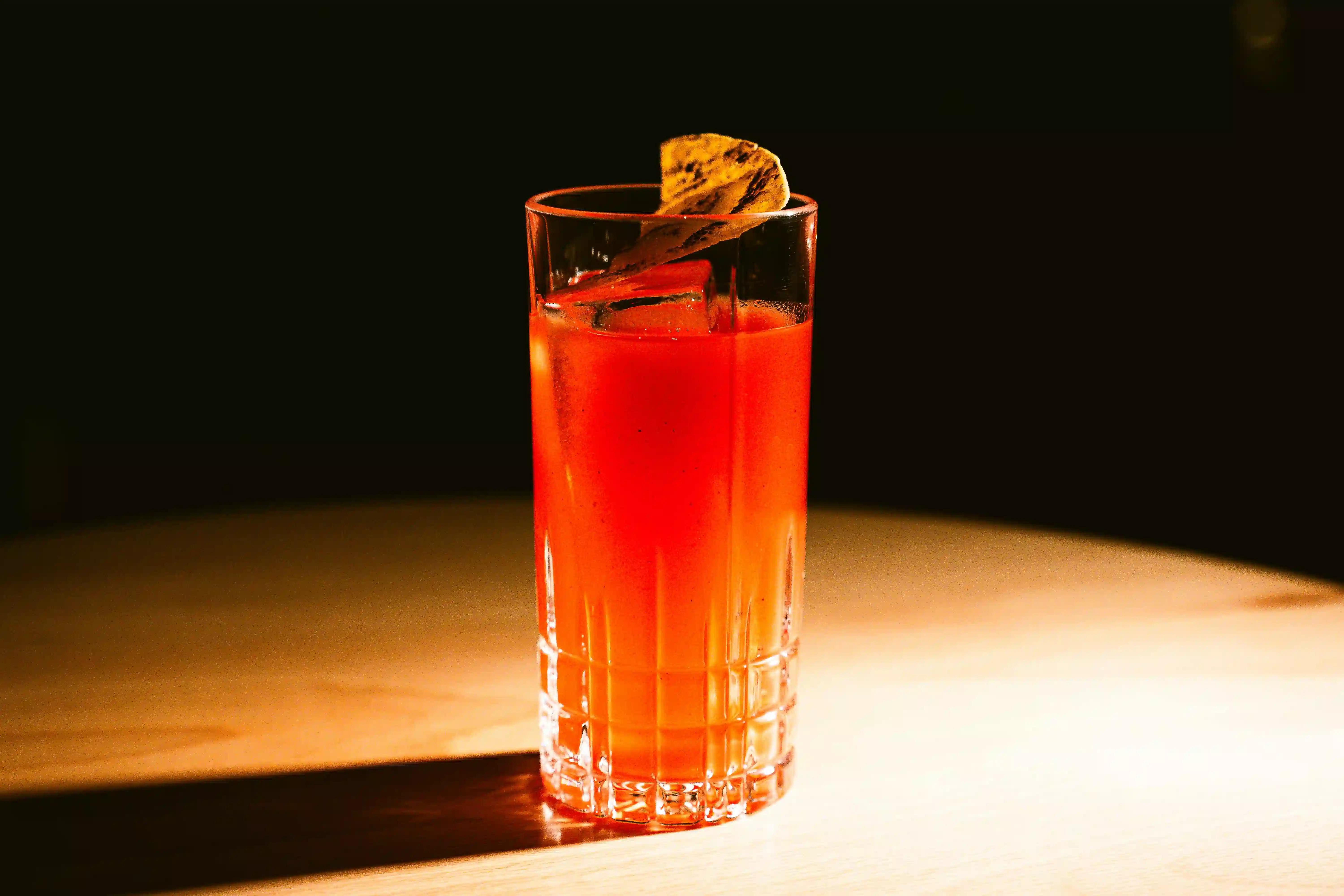
The highball is a tall, straight-sided glass built for long drinks. It holds 8–12 oz and gives you plenty of room for ice, spirit, and a mixer. It's the glass behind some of the world's most popular whiskey serves.
What It’s Best For
Scotch and soda, whiskey and ginger ale, and the Japanese highball (whisky with sparkling water over ice) all belong in a highball glass. The tall shape keeps the carbonation in the drink longer and gives the ice room to do its job without diluting the spirit too quickly.
In Japan, the highball is the dominant way to drink whisky. They take this glass seriously: thin-walled, chilled before use, and filled with a single large ice cube.
Not for Neat Tasting
The highball is a cocktail glass. It's not designed for nosing or tasting whiskey neat. If you're drinking a fine single malt, the highball is the wrong tool. Save it for mixed drinks and long serves.
The NEAT Glass
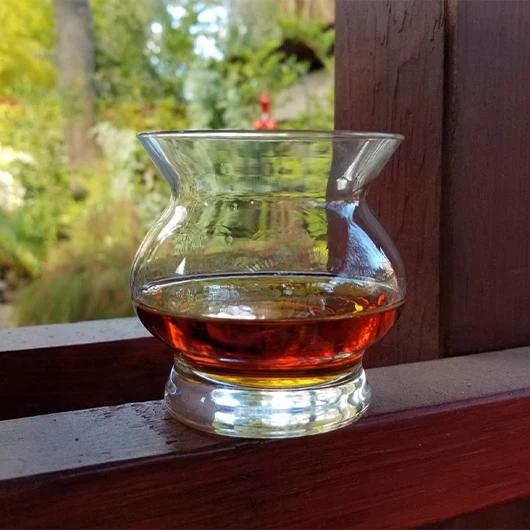
NEAT stands for Naturally Engineered Aroma Technology. The glass was born from a manufacturing accident: a misshapen vessel that turned out to have unusual sensory properties. Testing revealed that its flared, outward-angled lip directed harsh ethanol vapors away from the nose.
What It’s Best For
A NEAT glass of whiskey suits people who are sensitive to alcohol burn, or anyone new to tasting spirits neat. By dispersing the ethanol, it makes high-proof whiskeys more approachable and lets you focus on the flavor rather than the heat. It's also a conversation piece. The shape is unusual enough to prompt questions.
The Learning Curve
The flared lip takes some getting used to. The liquid spreads wider than a standard glass as you drink, which can feel awkward at first. Once you adjust, the sensory benefits are real. Though it's not the most intuitive glass to pick up for the first time.
How Glass Shape Affects the Taste of Whiskey

Glass shape affects whiskey in three measurable ways: aroma concentration, aeration, and temperature.
Aroma Concentration
A tapered mouth funnels volatile aroma compounds toward the rim. A wide, open mouth lets them disperse into the air before they reach your nose. This is why a rocks glass gives you a fraction of the aromatic experience of a tulip-shaped glass.
Aeration
When whiskey comes into contact with air, it opens up. Swirling in a wide-bowled glass increases the surface area and speeds up this process.
Some glasses, like the Aequilibrium Spirit Glass, feature a pivot base to keep the whiskey in gentle motion as it sits. This design aerates the whiskey continuously between sips without any effort from the drinker.
Temperature
Whiskey releases more aroma at room temperature than when chilled. A stemmed glass (like the copita) keeps your hand away from the bowl, so body heat doesn't warm the spirit. A stemless glass (like the Glencairn) relies on the solid base to do the same job. If you're tasting a whiskey you want to appreciate fully, avoid warming the bowl with your palm.
How to Choose the Right Whiskey Glass
The right type of whiskey glass depends on three things: how you drink, what you drink, and what you want from the experience. Follow this guide to narrow down your options.
If You Drink Whiskey Neat
Start with a Glencairn. It's affordable, widely available, and purpose-built for tasting. If you want to go further, a copita gives you more control over the nosing experience.
If You Drink Whiskey on the Rocks
A double rocks glass (Double Old Fashioned) is the right choice. The extra volume gives you room for a large ice cube, which melts more slowly and dilutes the whiskey less than smaller cubes. The thick base helps insulate the ice from the heat of your hand.
If You Drink Whiskey Cocktails
A rocks glass handles short cocktails like the Old Fashioned and the Negroni. A highball glass handles long drinks like the Scotch and soda or the whiskey ginger. A coupe or cocktail glass suits stirred, spirit-forward drinks like the Manhattan or the Rob Roy.
If You’re Buying a Whiskey Glass as a Gift
A set of Glencairns is a safe, well-received gift for any whiskey drinker.
But for something more distinctive, a premium crystal glass, like the Audacem Aequilibrium Spirit Glass, makes a stronger impression. It's hand-blown from lead-free crystal, engineered to aerate the spirit as it sits, and designed for use every day.

Aequilibrium Spirit Glass
• Transform your special occasions with Aequilibrium Glasses for a unique tasting experience.
• One-of-a-kind italian design that allows the full aromas of your favourite spirit to unfold perfectly.
• Receive a true masterpiece; hand-blown by true master artisans.
• Impress your guests on any occasion and rediscover the joy of fine spirits and liquors.
• Offer the perfect gift with our reinvented gift set, designed for an unforgettable presentation.
How to Care for Whiskey Glasses
The best whiskey glasses last for years with minimal effort, but it still pays to know how to care for them. Follow these tips to keep your collection clear and functional.
- Hand-wash with warm water and unscented soap. Dishwashers can dull crystal and etch glass over time. Rinse thoroughly to remove any soap residue, which affects the nose.
- Dry immediately with a lint-free cloth. Air-drying leaves mineral deposits that cloud the glass. Polish gently. Don't twist the bowl against the cloth.
- Store upright, not rim-down. Storing a glass rim-down traps odors from the shelf inside the bowl. Those odors transfer to your whiskey.
- Avoid sudden temperature changes. Pouring hot liquid into a cold crystal glass (or vice versa) can cause cracking. Let the glass come to room temperature first.
- Handle the rim carefully. The rim is the most fragile part of any glass. Don't stack glasses or press them rim-to-rim during storage.
Frequently Asked Questions
What is the best glass for drinking whiskey neat?
The Glencairn glass is the most widely recommended glass for drinking whiskey neat. Its tapered mouth concentrates aromas, and its wide bowl gives the spirit room to breathe. The copita, also called a nosing glass, is the Glencairn's predecessor and also works well with neat pours.
What is a rocks glass used for?
A rocks glass (also called an Old Fashioned glass or tumbler) is ideal for whiskey on the rocks, whiskey with a splash of water, and classic short cocktails like the Old Fashioned and the Whiskey Sour. Its wide base works well for muddling ingredients directly in the glass.
What is the difference between a Glencairn glass and a snifter?
Both have a wide bowl, but the Glencairn has a tighter taper at the mouth, which concentrates aromas more effectively. The snifter has a wider opening that works well for aged, complex spirits, but it can let too much ethanol vapor escape with high-proof whiskeys. The Glencairn is the better choice for neat tasting.
What glass do you use for a whiskey highball?
A highball glass—tall, straight-sided, and holding 8–12 oz—is the right choice for a whiskey highball. It gives you room for ice, spirit, and a mixer, and keeps carbonation in the drink longer than a shorter glass.
Can you use a wine glass for whiskey?
Yes. A white wine glass has a similar tulip shape to a Glencairn and will concentrate aromas reasonably well. It's not ideal, as the stem is longer and the bowl is larger than necessary, but it's a better choice than a rocks glass if you want to nose the whiskey properly.
Does the type of glass really affect how whiskey tastes?
Yes. Glass shape affects aroma concentration, aeration, and temperature—all of which influence how a whiskey smells and tastes. A tapered glass, like the Glencairn, funnels aromas toward your nose. A wide, open glass, like a rocks glass, lets them escape. Pour the same whiskey into both, and you'll notice a real difference.
How much whiskey should you pour in a glass?
For a tasting glass like the Glencairn, pour 1–1.5 oz (30–45ml). The extra headspace lets aromas collect before you nose the glass. For a rocks glass with ice, a standard pour is 1.5–2 oz. For a highball, 1.5 oz of whiskey is typical before adding the mixer.
What are the best whiskey glasses for a gift?
A set of Glencairn glasses is a reliable, well-received gift for any whiskey drinker. But if you're looking for something more unique and modern, try the Audacem Aequilibrium Spirit Glass. It immediately makes a strong impression with its 360º pivot base and hand-blown lead-free crystal.
Shop the Aequilibrium Glass Collection
-
Red WineRegular price From $42.99 USDRegular priceUnit price per
$86.00 USDSale price From $42.99 USDSale -
Spirits & LiquorsRegular price From $39.99 USDRegular priceUnit price per
$80.00 USDSale price From $39.99 USDSale -
WoodRegular price From $38.99 USDRegular priceUnit price per
$78.00 USDSale price From $38.99 USDSale -
 Sold outCeramicRegular price From $33.99 USDRegular priceUnit price per
$68.00 USDSale price From $33.99 USDSold out