

Quick Answer: How Many Calories in White Wine
A standard 5 oz glass of dry white wine contains between 100 and 130 calories. Sweet and off-dry styles run higher, often reaching 150 to 175 calories per glass.
Here is a quick breakdown by varietal:
- Pinot Grigio — 100 to 120 calories per 5 oz glass
- Sauvignon Blanc — 105 to 125 calories per 5 oz glass
- Chardonnay (dry) — 115 to 145 calories per 5 oz glass
- Dry Riesling — 95 to 115 calories per 5 oz glass
- Moscato — 150 to 175 calories per 5 oz glass (high residual sugar)
The glass matters, too. A well-designed pour, like Audacem's Aequilibrium Wine Glass or Universal Glass (from $42.99), encourages slower, more deliberate sipping, making it easier to stick to a standard serving.
*Calorie figures are approximate and vary by producer, vintage, and exact pour size.
Watch the Aequilibrium's pivoting base in motion. The design behind a slower, more mindful pour.
The Glass That Helps You Sip, Not Guzzle
Hand-blown crystal designed to slow your pour and highlight aroma, not just look good on a shelf.
Shop Aequilibrium GlassesWhat Determines Calories in White Wine?
Two things drive calories in white wine: alcohol and sugar. Understanding both helps you make smarter choices.
Alcohol Content (ABV)
Alcohol delivers approximately 7 calories per gram. This makes alcohol by volume (ABV) the single biggest driver of calories in any wine.
According to USDA FoodData Central, a 5 oz (148 ml) glass of white wine at 12% ABV contains roughly 121 calories from alcohol alone. A wine at 14% ABV adds another 20 to 25 calories on top of that.
For dry white wine calories, ABV is the number you want. Lighter styles like Pinot Grigio and Vinho Verde often come in at 9 to 12% ABV. Oaked Chardonnay from warmer regions like California often reaches 13 to 15%.
Residual Sugar
After fermentation, some wines retain unfermented grape sugar, called residual sugar (RS). Each gram of sugar contributes about 4 calories.
Dry whites typically contain fewer than 4 g/L of RS, adding a negligible number of calories. Sweet styles like Moscato or late-harvest Riesling can carry 50 g/L or more.
Many commercial white wines labeled as dry contain more residual sugar than consumers expect. The Alcohol and Tobacco Tax and Trade Bureau (TTB) does not require wineries to publish complete nutrition data. Checking producer websites for RS information is often the most reliable approach.
Serving Size
A standard serving of wine in the United States is 5 oz (148 ml). Most home pours run 6 to 8 oz. That extra ounce or two can push a 120-calorie glass well past 160 calories. A measured pour keeps your count honest.
Of the three factors above, serving size is the only one you control at the moment you pour. ABV and residual sugar are set before the bottle ever reaches your glass. But how much you actually drink comes down to habit, pace, and, as it turns out, the glass itself.
White Wine Calories Per Glass — By Varietal
Varietal style, region, and winemaking decisions all determine the final calorie count. Here is how the major white wine styles compare.
Dry, Light-Bodied Whites
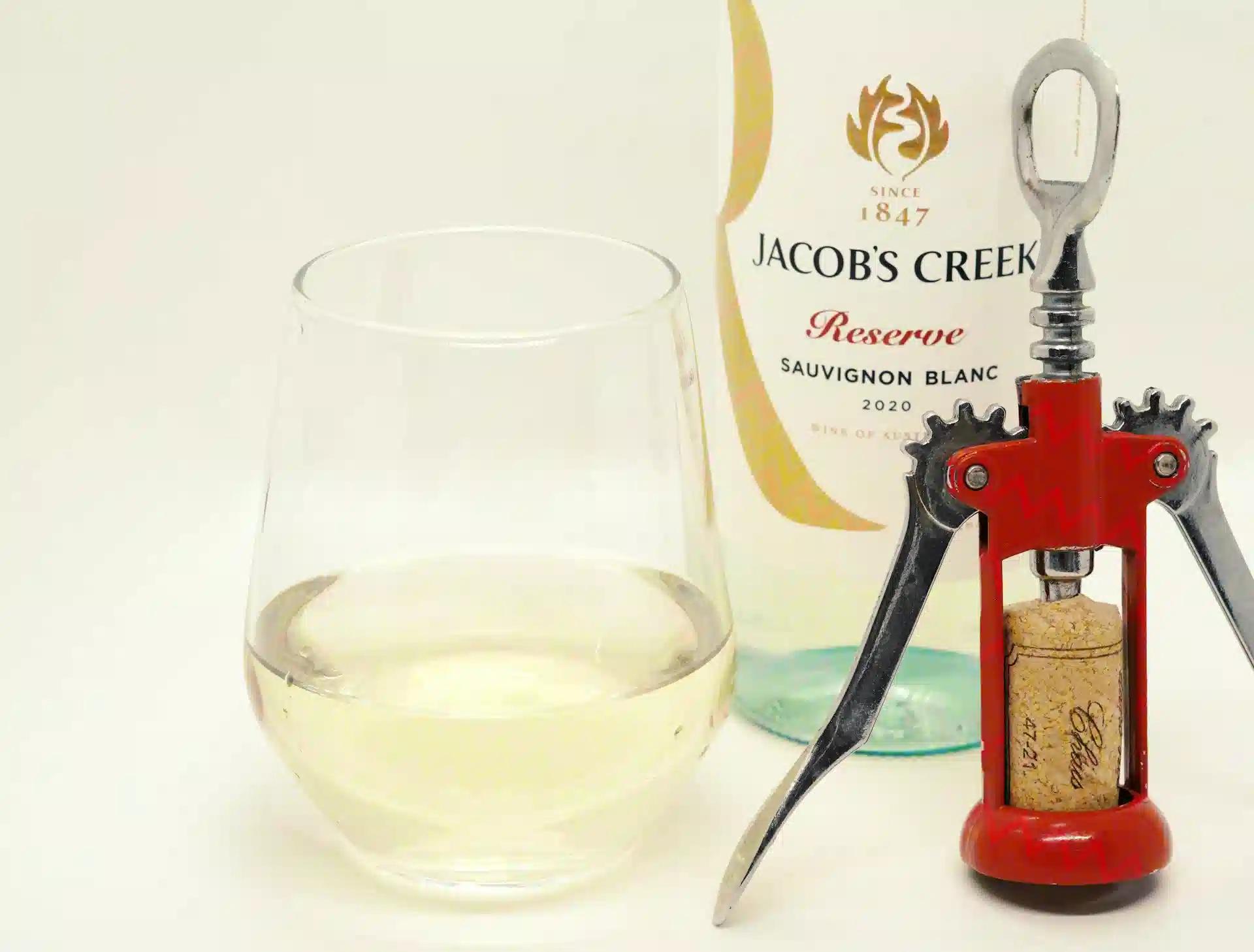
These are your lowest-calorie options because of lower ABV and minimal residual sugar.
- Pinot Grigio: 100 to 120 calories. Light, crisp, and lower in ABV. One of the leanest popular white wine choices, particularly styles from northeastern Italy.
- Sauvignon Blanc: 105 to 125 calories. Bright, herbaceous, and moderate in ABV. New Zealand styles (Marlborough) tend to run slightly lower than California equivalents.
- Albarino: 100 to 120 calories. Spain's aromatic coastal white usually clocks in at 11 to 12% ABV.
- Dry Riesling: 95 to 115 calories. Despite the grape's reputation for sweetness, dry German and Alsatian Rieslings are among the lowest-calorie white wines available.
- Vinho Verde: 90 to 110 calories. This lightly sparkling Portuguese wine usually has a low ABV (8 to 10%), making it one of the lowest-calorie wines available.
Full-Bodied Whites
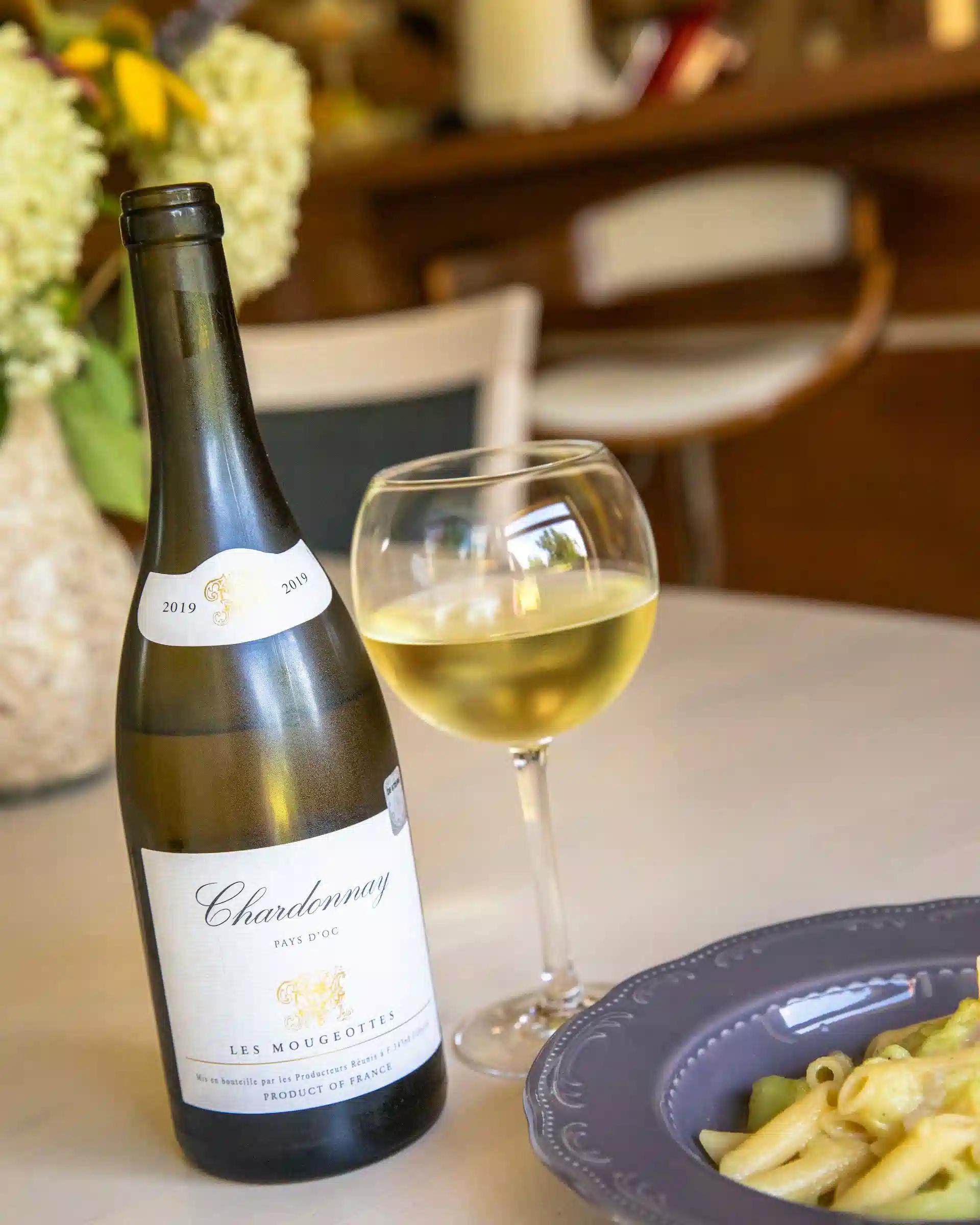
Richer styles carry a higher ABV and often more oak-driven richness, both of which lift the calorie count.
- Chardonnay: 115 to 145 calories. Unoaked styles from Chablis or Burgundy land at the lower end. Oaked Napa Valley Chardonnay often reaches 13 to 15% ABV and sits at the top of the range.
- Viognier: 120 to 145 calories. Aromatic, full-bodied, and often high in ABV. Northern Rhone Valley examples are the benchmark.
- White Burgundy (Chardonnay-based): 115 to 135 calories. Similar profile to Chardonnay but often slightly more restrained in alcohol.
Sweet and Off-Dry Whites
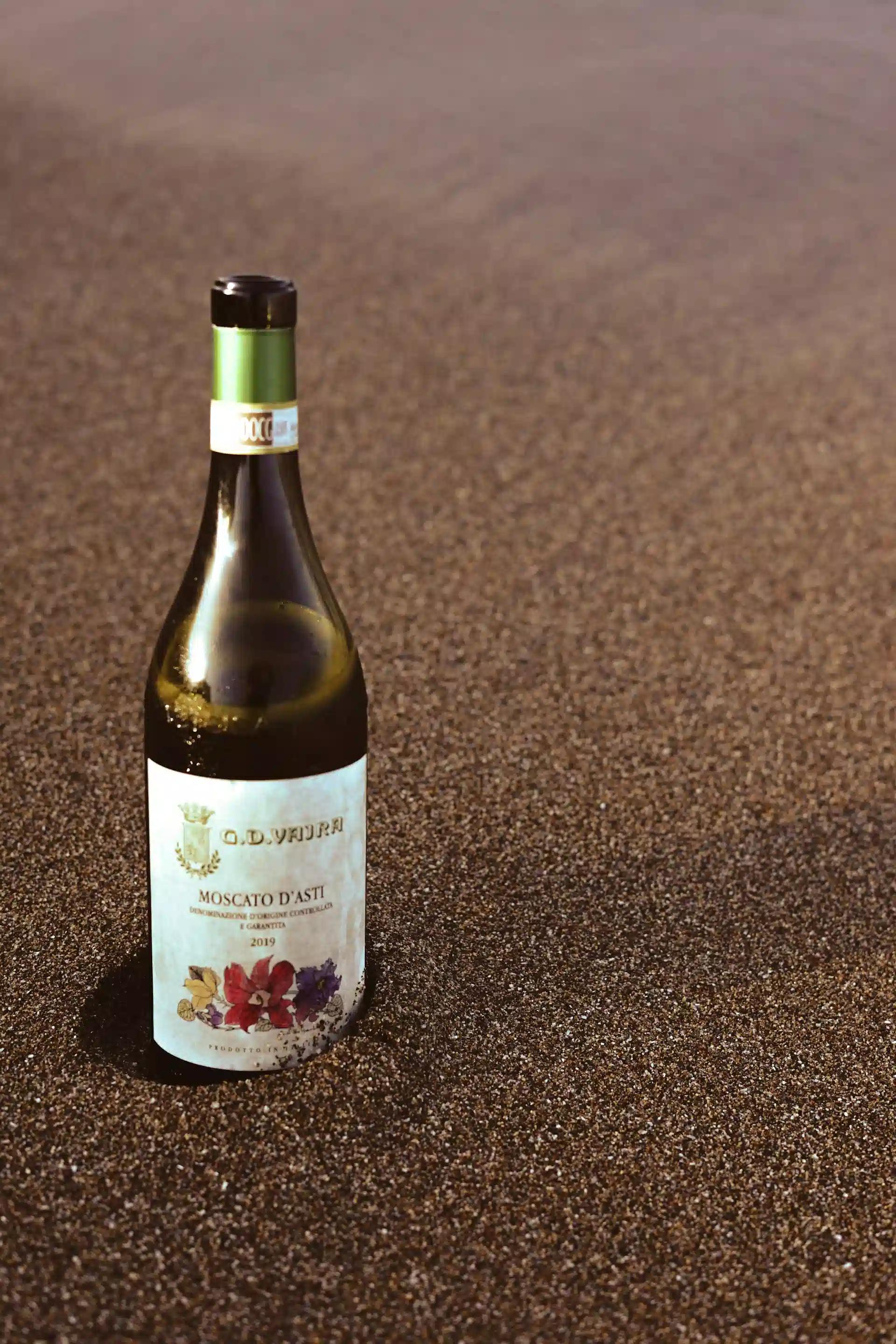
Higher residual sugar lifts calorie counts considerably, even when alcohol remains moderate.
- Moscato d'Asti: 100 to 120 calories. Despite being sweet, very low alcohol (5 to 6% ABV) keeps the count manageable.
- Standard Moscato: 150 to 175 calories. Significantly higher in both sugar and alcohol than the Asti style.
- Off-Dry Gewurztraminer: 130 to 155 calories. Aromatic and often retaining notable residual sugar, particularly in Alsatian styles.
- Late-Harvest Riesling: 170 to 220 calories. Concentrated natural sugars make these dessert-style wines the highest-calorie white option.
Aequilibrium: Built for the Mindful Pour
-
Red WineRegular price From $42.99 USDRegular priceUnit price per
$86.00 USDSale price From $42.99 USDSale -
Spirits & LiquorsRegular price From $39.99 USDRegular priceUnit price per
$80.00 USDSale price From $39.99 USDSale -
UniversalRegular price From $42.99 USDRegular priceUnit price per
$86.00 USDSale price From $42.99 USDSale -
Spirits & Red WineRegular price From $110.00 USDRegular priceUnit price per


Love the look and feel of these glasses! I really wanted to up my wine drinking game, and these did the trick!
How White Wine Compares to Other Drinks
Comparing white wine with other alcoholic beverages gives you a clearer picture of its calorie content and helps you make informed choices.
White Wine vs. Red Wine
Most dry reds are slightly higher in calories than most dry whites. However, the gap is smaller than many people assume.
A 5 oz pour of Pinot Noir usually runs 115 to 130 calories. A glass of Cabernet Sauvignon, with its higher ABV, lands at 135 to 165 calories.
That puts a full-bodied red above a light white, but a lighter red and a richer white can overlap considerably. The biggest calorie driver in both cases is ABV, not the color of the wine.
Also read: How Many Calories Are in a Glass of Red Wine?
White Wine vs. Beer
A standard light beer (12 oz at 4% ABV) contains roughly 100 to 110 calories. A regular beer (12 oz at 5% ABV) runs 140 to 170 calories.
A 5 oz glass of dry white wine falls between those two figures for most varietals while delivering far less volume.
White Wine vs. Spirits and Cocktails
A neat 1.5 oz shot of spirits (whiskey, vodka, or gin) delivers 95 to 110 calories. Most people do not drink spirits neat, though. Add a standard mixer (tonic, juice, or simple syrup), and a single cocktail can range from 150 to well over 400 calories.
A glass of dry white wine remains one of the more manageable alcoholic beverage choices, calorie for calorie, without mixers, added syrups, or hidden sugars.
Tips for Keeping White Wine Calories in Check
You do not have to overhaul your drinking habits to manage white wine calories. Small adjustments can reduce calories without changing how you enjoy wine.
Choose Dry Whites With Lower ABV
The label does not always make this obvious. Look for wines below 12.5% ABV from cooler-climate regions: northern Italy (Pinot Grigio, Soave), Loire Valley France (Muscadet, Sancerre), Germany (Riesling Kabinett), and Portugal (Vinho Verde).
These styles deliver full flavor at lower calorie counts. They also pair beautifully with food, which naturally slows your pace.
Measure Your Pour
The single most effective calorie-control habit is also the simplest: pour 5 oz and stop. Most people pour more when they estimate by eye. A kitchen scale (one ounce of wine weighs approximately 30 grams) or a measured pour spout helps you serve the correct serving every time.
At home, use a smaller glass for everyday drinking and reserve a large bowl for when you want to explore the wine fully. Doing so keeps your everyday serving in check.
The Right Wine Glass Changes Your Drinking Pace
Research published in peer-reviewed literature shows that glass size and shape influence how much and how quickly people drink. Wider, heavier glasses encourage faster, larger pours.
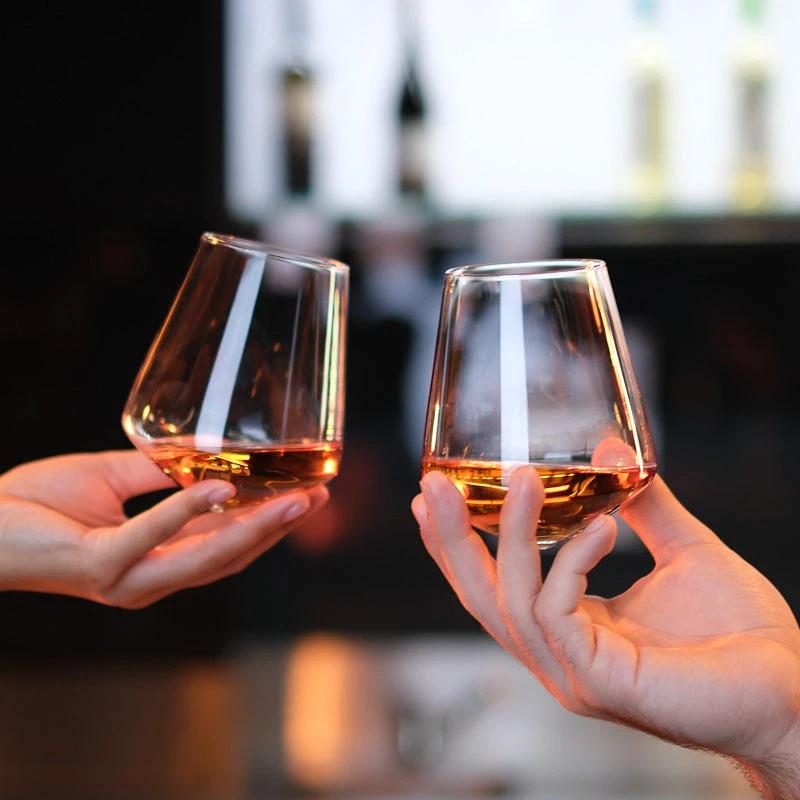
Audacem designed the Aequilibrium Wine Glass and Universal Glass to direct wine toward the areas of your palate that highlight its aromas and flavors.
The intentional shape and size, plus the added engagement of the pivoting base that gently aerates wine, naturally encourage slower, more mindful sipping.
Also read: Best White Wine Glasses: Expert-Tested Picks
- Hand-blown by master artisans
- 4.8/5 excellent rating
- Free shipping over $65
One Glass, a Whole New Way to Wind Down
Backed by research on how glass shape shapes your pace. Hand-blown crystal, made for the long sip.
Shop Aequilibrium Wine GlassesWhite Wine and a Balanced Life
The question of how many calories almost always serves a larger one: how do I enjoy wine without compromising my health? The answer is awareness and intention.
What Moderation Actually Looks Like
The 2020 to 2025 Dietary Guidelines for Americans define moderate drinking as up to one drink per day for women and two per day for men.
One drink equals 5 oz of wine at 12% ABV, containing approximately 14 grams of pure alcohol. Two glasses of dry white wine four evenings a week adds roughly 1,000 calories to your weekly total. That is worth knowing as context for managing your intake.
Pair Wine With Food
Eating while you drink slows alcohol absorption and tends to reduce the total amount you consume. A meal also gives you something to pace the glass against.
A dry Riesling with Asian cuisine or a Sauvignon Blanc with oysters encourages a more deliberate approach to drinking wine. The pairing enhances the wine itself, letting you stretch a single glass through an entire course.
Alternate With Water
Placing a glass of water beside your wine is an effective strategy for managing both calorie intake and alcohol consumption. Drinking a glass of water between each wine pour cuts your total volume in half.
It doesn't require a major behavioral change. You simply place a second glass on the table.
Final Thoughts: Counting White Wine Calories Without Losing the Joy of the Glass
Knowing the calorie count in your glass is all about drinking with intention. Ultimately, the numbers matter less than the habits around them, such as measuring your pour, pairing with food, and staying aware of how quickly you're drinking.
That last part is where the glass itself plays a bigger role than most people realize. A glass designed to slow you down makes moderation feel effortless instead of forced.
That's the idea behind the Aequilibrium. These hand-blown crystal glasses with a pivot base keep you engaged with each sip, so you naturally linger over a single, well-measured pour instead of refilling on autopilot.
Calories in white wine will always vary by varietal, vintage, and pour size. But the glass you drink from is one variable fully within your control, and it's worth choosing well.
Frequently Asked Questions
How many calories are in a 5 oz glass of white wine?
A standard 5 oz glass of dry white wine contains between 100 and 130 calories. Lighter varietals like Pinot Grigio and dry Riesling sit at the lower end of that range. Fuller-bodied styles like oaked Chardonnay run closer to 130 to 145 calories. Sweet white wines can reach 175 calories or more due to high residual sugar.
Which white wine has the fewest calories?
Dry Riesling, Vinho Verde, and Pinot Grigio are among the lowest-calorie white wine choices. They typically contain 90 to 120 calories per 5 oz serving. The key driver is low ABV. Look for wines below 12% alcohol for the lightest options. Cooler-climate regions like northern Italy, Germany, Portugal, and the Loire Valley produce lower-ABV whites.
Does a sweeter white wine have more calories than a dry one?
Yes, in most cases. Sweet white wines retain more residual sugar after fermentation, which contributes about 4 calories per gram. Moscato, late-harvest Riesling, and off-dry styles like Gewurztraminer all run higher in calories than their dry counterparts. The exception is very low-ABV sweet wines like Moscato d'Asti (5 to 6% ABV), where the reduced alcohol partially offsets the sugar.
Does white wine have carbs?
Yes. Most white wines contain carbohydrates, but the amount depends largely on their residual sugar. A standard 5 oz glass of dry white wine typically contains 3 to 4 grams of carbohydrates. Sweeter styles like Moscato or late-harvest Riesling can contain significantly more. If you're watching your carb intake, choose dry, lower-sugar wines such as Pinot Grigio, Sauvignon Blanc, or dry Riesling.
How does white wine compare to red wine in calories?
Most dry white wines carry slightly fewer calories than most dry red wines. That's because whites tend to have lower ABV. A dry Pinot Grigio might contain 105 calories per 5 oz, while a Cabernet Sauvignon at higher ABV can reach 160 calories. That said, a lighter red like Pinot Noir and a full-bodied white like Chardonnay can overlap considerably.
How many calories are in a bottle of white wine?
A standard 750 ml bottle yields approximately five 5 oz glasses. A dry white wine bottle at around 120 calories per glass totals roughly 600 calories. A richer style at 140 calories per glass adds up to about 700 calories per bottle. Sweet styles run higher still.
Can white wine fit into a calorie-conscious diet?
Yes. Choosing dry, lower-ABV varietals, measuring your pour to 5 oz, and pairing wine with food all help keep white wine manageable within a balanced diet. The 2020 to 2025 Dietary Guidelines for Americans recommend a maximum of one standard drink per day for women and two for men as part of a healthy lifestyle.
Shop the Aequilibrium Glass Collection
-
Red WineRegular price From $42.99 USDRegular priceUnit price per
$86.00 USDSale price From $42.99 USDSale -
Spirits & LiquorsRegular price From $39.99 USDRegular priceUnit price per
$80.00 USDSale price From $39.99 USDSale -
UniversalRegular price From $42.99 USDRegular priceUnit price per
$86.00 USDSale price From $42.99 USDSale -
Spirits & Red WineRegular price From $110.00 USDRegular priceUnit price per