
Quick Answer: What Are Stuart Crystal Whisky Glasses?
Stuart Crystal whisky glasses are hand-crafted lead crystal tumblers and drams produced by Stuart & Sons Ltd. of Stourbridge, England, from the mid-19th century through 2001. Production has permanently ceased, and every piece now exists only in the secondary market.
- Origin: Made in Stourbridge, England, the historic heart of British glassmaking
- Material: Traditional lead crystal, prized for its weight, clarity, and resonant ring
- Collectibility: Production stopped in 2001 after Waterford Wedgwood closed the Redhouse Glassworks.
- Most Collected Pattern: Glengarry, known for its deep cross-cut design, was the brand's signature whisky pattern.
- Where To Buy Today: Specialist vintage retailers, Etsy, eBay, and estate sales are the primary sources.
The Story Behind Stuart Crystal
The story of Stuart Crystal starts with an 11-year-old orphan. In 1827, Frederick Stuart arrived at the Redhouse Glassworks in Stourbridge, England. Stourbridge sat at the center of Britain's glass trade, a stretch of the Midlands so thick with glassworks it earned the nickname "the crystal mile." Frederick absorbed everything the workshops had to teach him. He rose through the ranks on skill and discipline alone.
By 1853, he had co-founded a firm that would eventually bear his name. Stuart & Sons Ltd. incorporated in 1883. It spent the next several decades building an international reputation for high-quality cut lead crystal. The patterns were hand-cut and the glass hand-blown. Each piece carried the weight and clarity that collectors recognize immediately.

The brand's peak of prestige came in 1909. Stuart Crystal received a Royal Warrant, officially naming it as a supplier to the British royal family. Royal Warrants carry enormous credibility in the British luxury goods market. Stuart Crystal wore that recognition proudly across its advertising and packaging for nearly a century.
By the mid-20th century, Stuart Crystal was a fixture in British wedding registries, formal dining rooms, and private clubs. Its whisky glasses, in particular, gained a devoted following among collectors who valued the combination of functional weight and ornate patterns.
The end came gradually. Waterford Wedgwood acquired the company in the 1990s as part of a broader consolidation of British luxury glassware. Production at the Stourbridge Redhouse site stopped in 2001. There was no dramatic closure announcement, only a quiet end to nearly 175 years of hand-crafted crystal.
What Makes Stuart Crystal Whisky Glasses Worth Collecting
Stuart Crystal whisky glasses used traditional lead crystal, which differs fundamentally from modern glass. Lead oxide gives the crystal a higher refractive index. It bends light more sharply and produces the signature sparkle associated with fine glassware. The same compound also adds density, giving Stuart Crystal glasses a satisfying weight in the hand.
The ring test tells the story well. Tap the rim of a Stuart Crystal glass with your fingernail, and the sound rings clear and sustained. The tone hangs in the air for a moment before fading. By comparison, modern lead-free glass produces a flat, short click.
Then there is the cutting. Stuart Crystal's craftsmen cut patterns by hand. They pressed the glass against rotating abrasive wheels to carve precise geometric designs into the surface. The result is sharp-edged facets that catch and scatter light across a room.
That combination of material and craft drives collector demand. You cannot replicate it in a modern factory setting at the same price point. You can only find it in the pieces that already exist.
Also read: Crystal vs Glass: What’s the Difference?
The Top Stuart Crystal Patterns for Whisky Glasses
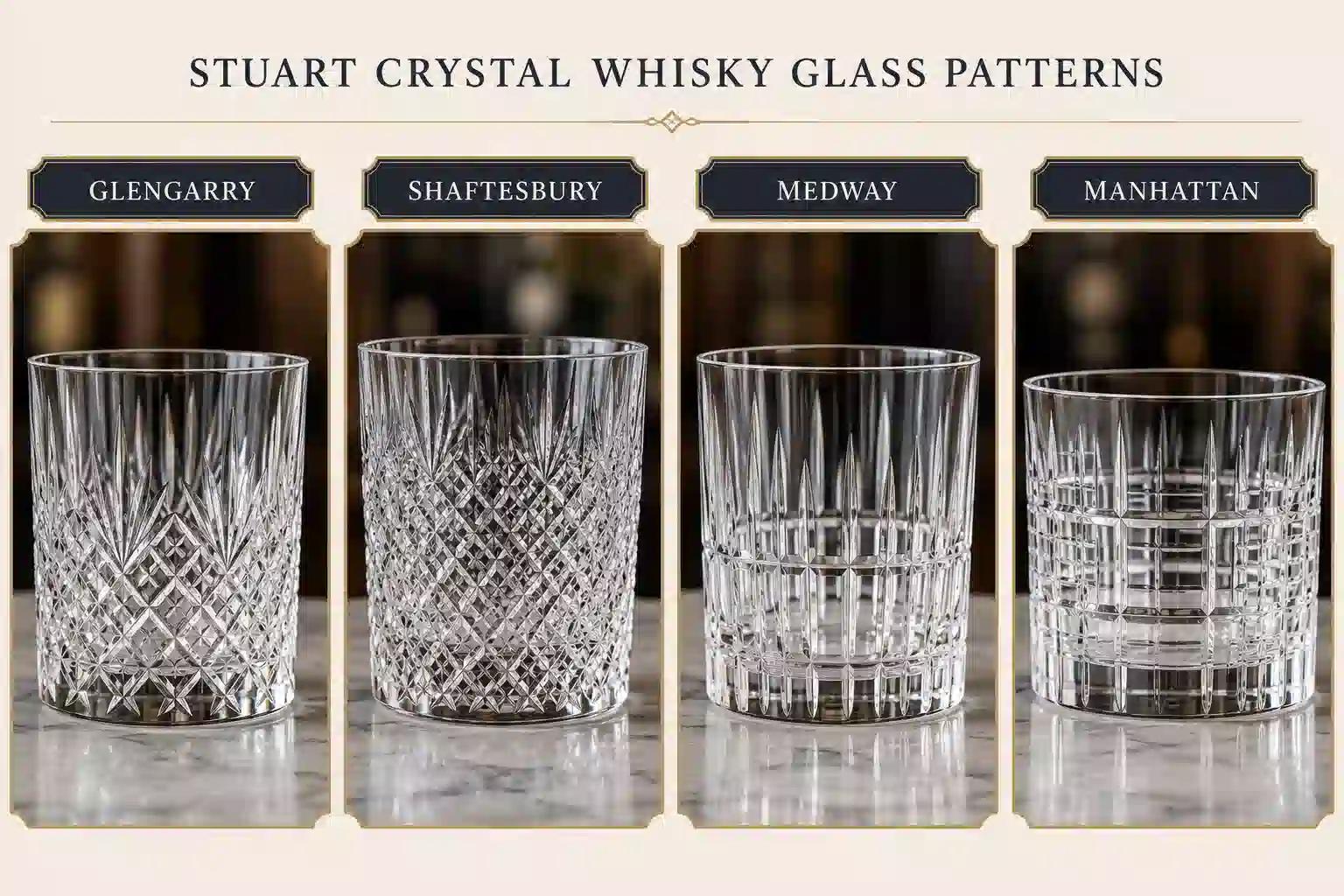
Stuart Crystal produced dozens of cut crystal patterns over the decades, but a handful stand out. These designs are among the most recognizable and sought-after on today's vintage market.
Glengarry
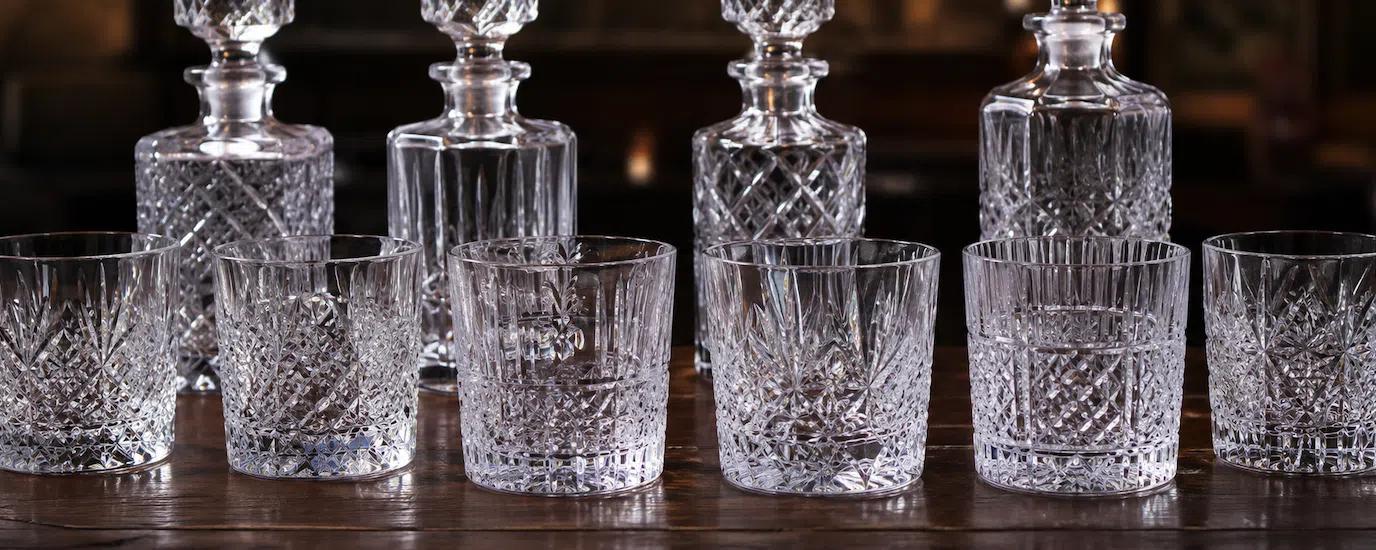
Glengarry is the pattern most collectors mean when they say "Stuart Crystal whisky glass." First released in the 1930s, it features deep cross-hatching overlaid with bold vertical fluting. This pattern gives the glass a visual weight that matches its physical density.
The pattern works particularly well on a low tumbler, where the cuts catch light from below as well as above. Glengarry pieces in excellent condition, especially full sets of six or eight, command the strongest prices in the secondary market.
Shaftesbury
Shaftesbury appeared in the 1980s, one of Stuart Crystal's later designs. Its deep cross-hatching and vertical cuts cover more of the glass surface than Glengarry's design. This creates a bolder, more dramatic look.
Collectors who prefer a heavier visual texture often seek Shaftesbury Stuart Crystal whisky tumblers. Because it is a later pattern, pieces surface more often in the secondhand market, which keeps prices slightly more accessible.
Medway
Medway is Stuart Crystal's mid-century option for collectors who prefer understatement. It rose to popularity from the 1950s through the 1970s with a lighter geometric cut pattern that offers a more subtle sparkle than Glengarry or Shaftesbury.
Medway whisky glasses suit a modern or mixed-period table setting. The versatility makes them a practical choice for collectors who want to use their finds.
Manhattan
Manhattan was Stuart Crystal's answer to the American Old Fashioned glass format. It is a slightly wider, lower tumbler suited to cocktails as well as neat pours.
Its pattern runs lighter cuts in a clean geometric arrangement, bridging the gap between a traditional British look and a more contemporary silhouette. If you enjoy both Scotch and cocktails, Manhattan glasses give you a Stuart Crystal glass that pulls double duty.
Also read: The 7 Best Whiskey Glasses for Better Taste
Prefer Modern Crystal Over Vintage?
If you prefer modern lead-free crystal designed for quality, the Aequilibrium Glass offers a contemporary alternative.
Shop the Aequilibrium CollectionHow to Identify Authentic Stuart Crystal
The secondary market for collectible glassware contains many honest sellers. But misidentified pieces and the occasional outright fakes also exist. Before you pay collector prices, confirm what you are buying.
- The Acid-Etched Mark. Stuart Crystal applied an acid-etched maker's mark to the base of most pieces from the 1930s onward. Look for "Stuart" or "Stuart England" etched faintly into the glass (not printed or painted on). Older pieces from before the 1930s may not carry this mark. They often need pattern identification to confirm origin.
- Be cautious of acid-etched marks that appear unusually deep or freshly cut. Modern reproductions and altered pieces sometimes appear in the secondary market.
- Weight and Feel. Lead crystal is heavier than modern glass. A genuine Stuart Crystal tumbler feels substantial in your hand. If a piece described as Stuart Crystal feels light, investigate further before buying.
- The Ring Test. Wet your finger and run it slowly around the rim, or tap the glass gently. Lead crystal produces a clear, resonant ring. The tone sustains before fading. Modern glass produces a short, flat sound.
- Clarity and Light Refraction. Hold a Stuart Crystal glass up to a light source. The cuts produce distinct, sharp-edged sparkle rather than a soft diffuse glow. Lead crystal's higher refractive index creates crisp, defined light scatter.
- Pattern Research. Stuart & Sons produced documented pattern lines. Active collector communities have cataloged most of them. If you have an unmarked piece you suspect is Stuart Crystal, posting photos to a glass collecting forum often helps.
- Condition Grading. Chips and cracks reduce value significantly. Tiny rim chips are common on used pieces and are not always visible in a listing photo. Ask sellers directly, and request close-up photographs when buying online.
Where to Find Vintage Stuart Crystal Whisky Glasses
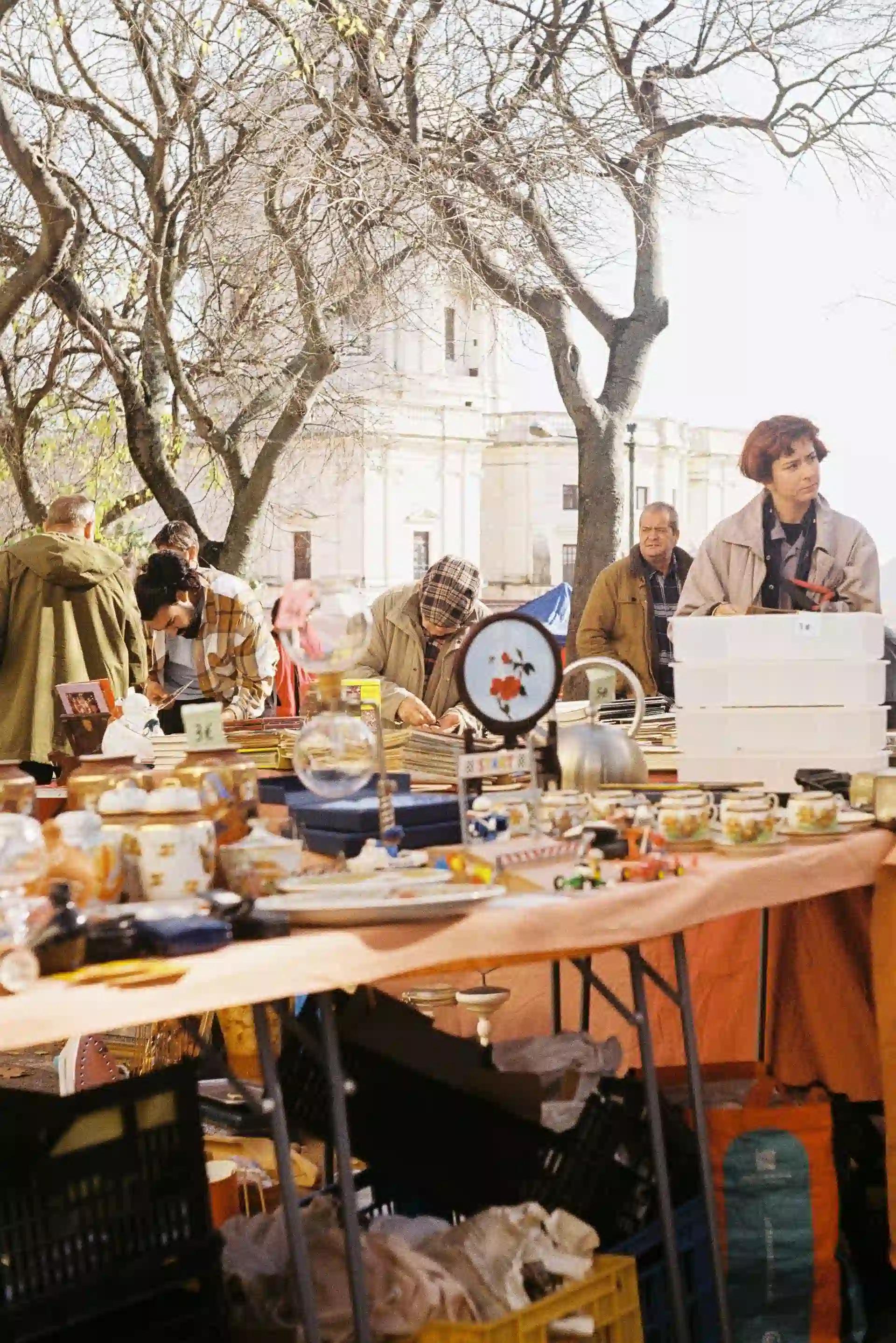
Since Stuart Crystal stopped production in 2001, every piece on the market today came from someone's cabinet or estate. That shapes where and how you search.
Online Marketplaces
Etsy and eBay together carry the largest volume of Stuart Crystal listings. eBay tends toward faster turnover and competitive bidding. Etsy leans toward curated vintage sellers who price on the higher end but generally provide better descriptions and photographs. Both platforms allow you to save searches and receive notifications when new listings appear.
Estate Sales and Auctions
Stuart Crystal glasses appear regularly in estate sales, particularly from British-heritage households in the United States and Canada. Local auction houses occasionally include Stuart pieces in general antiques sales. These settings sometimes surface pieces below resale value when bidders are not specifically hunting crystal.
Specialist Vintage Retailers
A handful of dealers specialize in discontinued crystal patterns and stock Stuart Crystal as a core category. They price accurately to the market but provide detailed condition reports, authentication, and sometimes provenance. For collectors building a complete set, specialists save significant time.
Antique Markets and Fairs
In-person shopping at antique markets gives you the chance to do the ring test and weight check yourself before buying. Large regional antique fairs in the US Midwest and Mid-Atlantic states regularly surface British crystal from estate sources.
What to Pay: A Pricing Guide
Stuart Crystal whisky glass prices vary based on pattern, condition, set completeness, and where you buy. Here is a practical framework for the US secondhand market.
- Individual Tumblers. Single Stuart Crystal whisky tumblers in good condition often sell for $15 to $45, depending on the pattern. Glengarry occupies the upper end of that range. Later patterns like Shaftesbury often land in the lower half.
- Sets of Four. A set of four matching tumblers in excellent condition usually ranges from $60 to $150. Sets generally carry a premium over individual pieces because most buyers want at least four for practical use.
- Sets of Six or Eight. Complete sets of six or eight identical tumblers represent the most sought-after format for collectors. Prices for pristine complete sets range from $120 to $300, with rare patterns or early pieces sometimes exceeding that. A boxed set in original packaging commands a further premium.
- Decanters with Matching Glasses. Matching decanter-and-glass sets are the most valuable Stuart Crystal barware configurations. A genuine matched set in excellent condition can fetch $200 to $500 or more, depending on pattern and rarity.
- Condition Adjustments. Any visible chip, crack, or cloudiness drops value by 30 to 50 percent from the prices above. Minor surface scratches from normal use are typical on vintage pieces and affect value less dramatically.
- The Trend. As the collector base grows and older pieces become harder to find, Stuart Crystal prices have moved steadily upward over the past decade. Buying now at fair market value is likely to look reasonable in retrospect.
Also read: Best Whiskey Glass Sets, Reviewed and Ranked
Frequently Asked Questions
Is Stuart Crystal still in production?
No. Stuart Crystal ceased production in 2001 when Waterford Wedgwood closed the Redhouse Glassworks in Stourbridge, England. Every Stuart Crystal piece on the market today comes from the secondary market.
How do I know if my Stuart Crystal glasses contain lead?
Traditional Stuart Crystal used lead crystal, which contains lead oxide as a key component. You can confirm this with the ring test (lead crystal produces a clear, sustained tone when tapped) or by checking the weight against modern glass. If you plan to use your glasses regularly, modern food safety guidance recommends against storing spirits in lead crystal for extended periods. Occasional use for drinking is generally considered low risk.
What is the most valuable Stuart Crystal pattern for whisky glasses?
Glengarry, especially in complete sets of six or eight pieces in excellent condition, draws the strongest prices in the secondary market. Early pieces from the 1930s through the 1950s are particularly sought after. Matched decanter-and-glass sets in any pattern rank among the most valuable Stuart Crystal barware configurations.
How can I tell a Stuart Crystal whisky glass from similar cut crystal?
Look for the acid-etched "Stuart" or "Stuart England" mark on the base, most common on pieces made after the 1930s. Beyond the mark, Stuart Crystal has a distinctive weight, a clear and sustained ring when tapped, and precise hand-cut facets with sharp edges.
Can I use Stuart Crystal whisky glasses daily?
Yes, with some care. Lead crystal is durable for everyday drinking use. Hand-washing is strongly recommended. Dishwashers can etch and cloud lead crystal over time, reducing both clarity and value. Avoid soaking and extreme temperature changes. Modern food safety guidance advises against storing spirits in lead crystal for extended periods, but using the glasses for drinking carries very low risk.
Are Stuart Crystal whisky glasses a good investment?
They carry real collector value, and prices have trended upward as supply decreases and interest grows. Complete sets and rare patterns hold value well. The strongest case for collecting Stuart Crystal is owning truly well-made historical glassware that you can also use and enjoy.
Shop the Aequilibrium Glass Collection
-
Red WineRegular price From $42.99 USDRegular priceUnit price per
$86.00 USDSale price From $42.99 USDSale -
Spirits & LiquorsRegular price From $39.99 USDRegular priceUnit price per
$80.00 USDSale price From $39.99 USDSale -
WoodRegular price From $38.99 USDRegular priceUnit price per
$78.00 USDSale price From $38.99 USDSale -
 Sold outCeramicRegular price From $33.99 USDRegular priceUnit price per
$68.00 USDSale price From $33.99 USDSold out