
How Many Glasses of Wine in a Bottle?
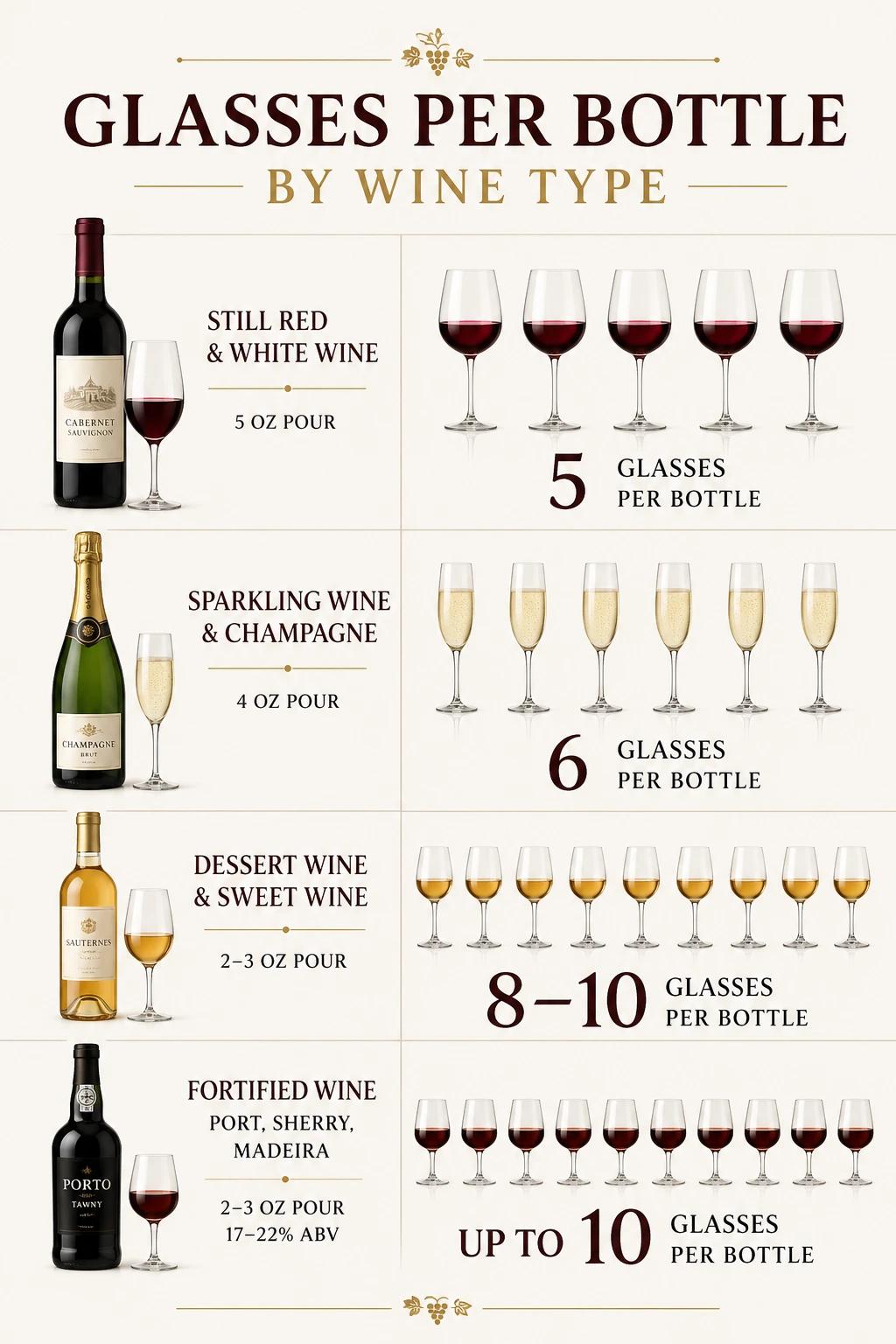
- A standard 750ml bottle of wine contains 5 glasses at the industry-standard 5-ounce (147ml) pour.
- Sparkling wines typically yield 6 glasses because of the smaller 4oz pours.
- Dessert and fortified wines can stretch to 8–10 glasses at 2–3oz servings.
- A magnum (1.5L) doubles the count to 10 glasses.
The Standard Bottle of Wine: What You're Actually Working With
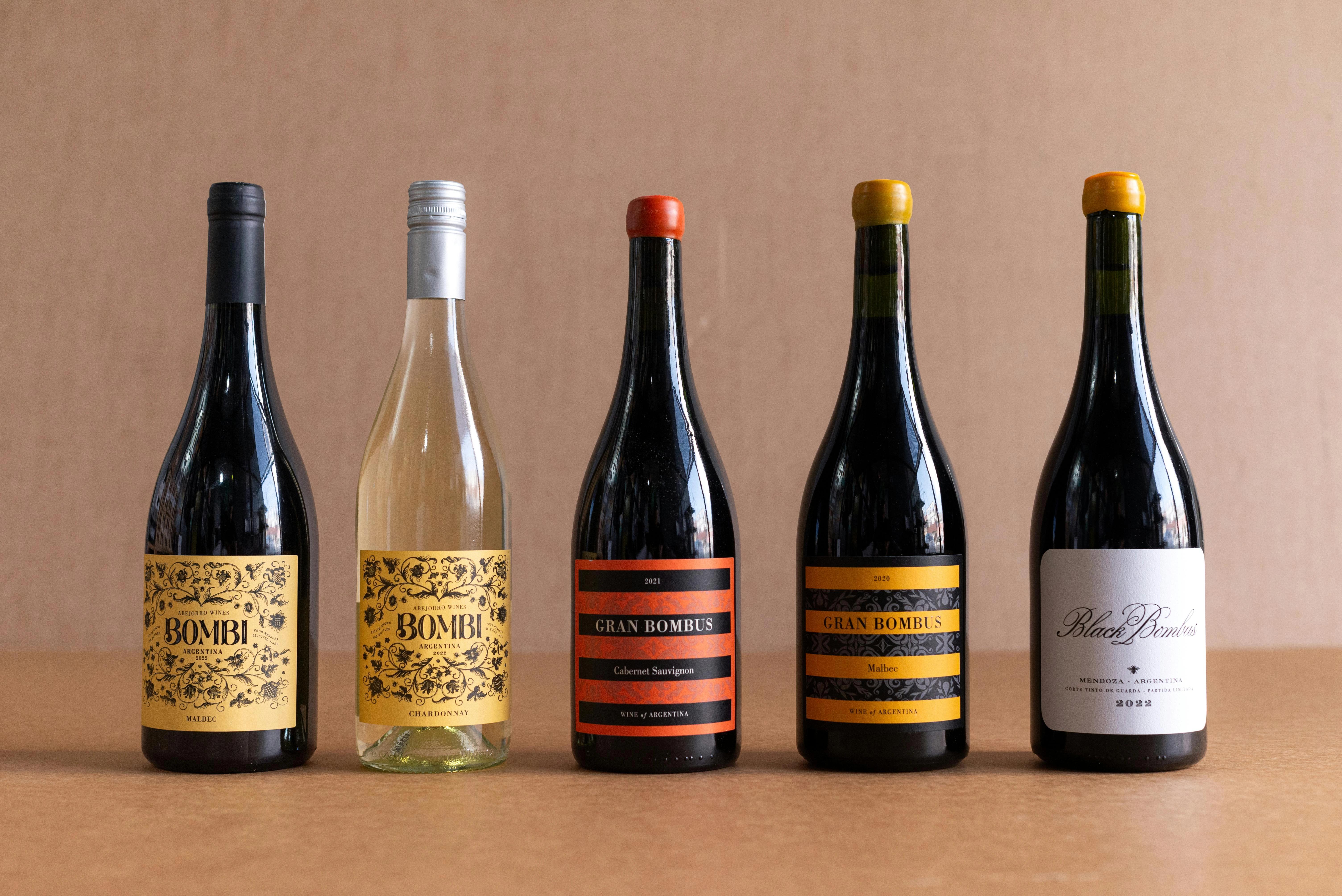
A standard wine bottle holds 750ml, which works out to exactly 25.4 fluid ounces. That's the number every calculation in this guide flows from.
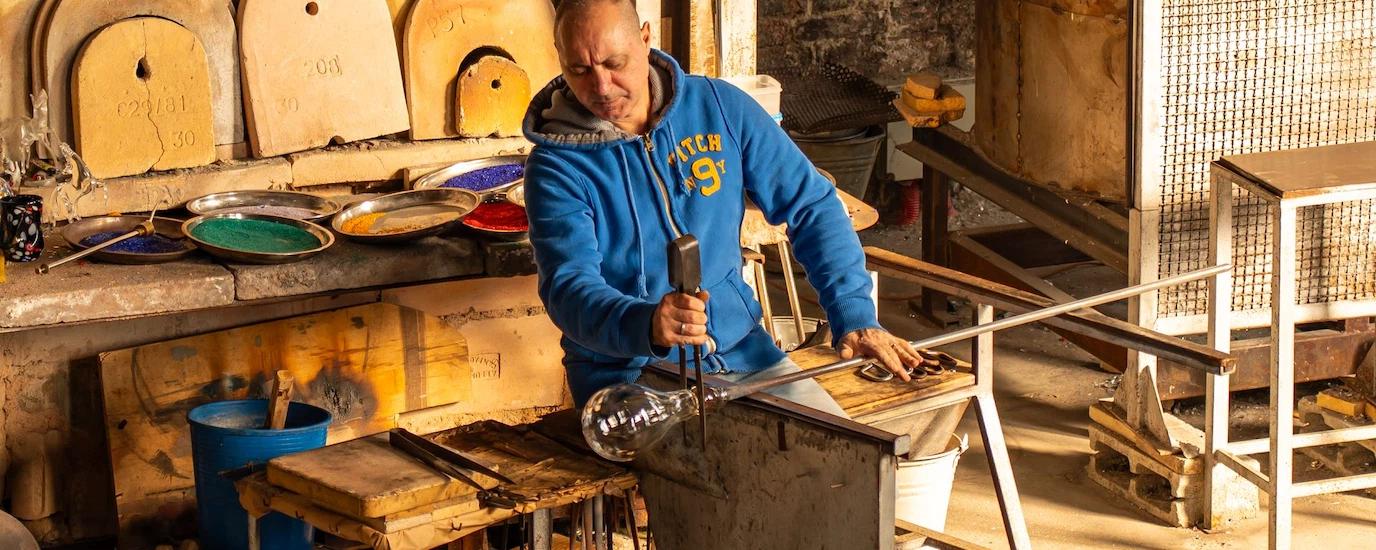
The 750ml format became the global standard in the 18th and 19th centuries. French glassblowers found it was the most practical size to blow by hand (roughly one full breath of air). It also happened to be a convenient unit for trade, as a standard Bordeaux barrel held exactly 300 bottles.
The math from there is straightforward. Divide 25.4 ounces by the standard 5-ounce wine pour size, and you get 5.08 glasses, which is why the answer is always "five."
Why the Standard Pour Is 5 Ounces
The 5-ounce standard wine serving is the result of two priorities: sensory performance and responsible consumption guidelines.
The 5 ounces in a standard wine glass leaves enough empty space, called "headspace," above the liquid. This allows aromatic compounds to collect and concentrate. That is what you're actually smelling when you bring the glass to your nose. Overfill the glass, and you remove that headspace entirely.
At the same time, the U.S. Dietary Guidelines define one standard drink of wine as 5 ounces at 12% ABV (alcohol by volume). That’s roughly 14 grams of pure alcohol. Health authorities worldwide use this wine serving guide to define "moderate" consumption.
Glasses Per Bottle by Wine Type
The type of wine and its alcohol content directly determine the appropriate serving size.
Still White and Red Wine
The standard 5-ounce pour applies to most still table wines, including Cabernet Sauvignon, Pinot Noir, Chardonnay, and Sauvignon Blanc. So, a 750ml bottle gives you 5 glasses.
Sparkling Wine and Champagne
Sparkling wines are typically poured at 4 ounces (~120ml). At this size, a 750ml bottle yields 6 glasses. The smaller pour preserves the carbonation.
Dessert Wine and Sweet Wine
Dessert wines, like Sauternes, late-harvest Riesling, and Tokaji, are served in 2– to 3-ounce pours because of their intense sweetness and concentration. A 750ml bottle yields 8–10 glasses.
Fortified Wine: Port, Sherry, Madeira
Fortified wines sit at 17–22% ABV and come in 2– to 3-ounce pours. A 750ml bottle of Port can yield up to 10 glasses.
Whatever you're pouring, be it a standard Cabernet or a flute of Champagne, our Aequilibrium Wine Glass can handle it all. The bowl geometry works across serve sizes, letting every wine express itself at its best.
Elevate Every Glass You Pour
The right glass transforms a standard pour. Explore the Audacem Wine Glass Collection today, and elevate every sip.
Shop Our Wine Glass CollectionWine Bottle Sizes and How Many Glasses Each Holds
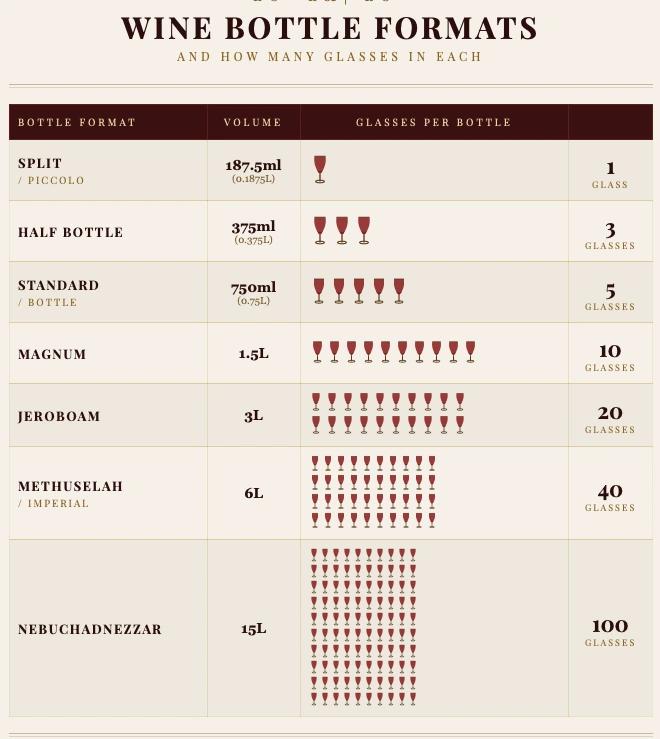
Wine comes in a full range of sizes, from single-serve splits to large-format bottles. Here's how the glass count scales across different wine bottle sizes:
- Split / Piccolo (187.5ml) = 1 glass. The single-serve format you find on planes and in hotel minibars.
- Half Bottle (375ml) = 2–3 glasses. Ideal for one person over dinner or sharing between two.
- Standard Bottle (750ml) = 5 glasses. The universal benchmark.
- Magnum Bottle (1.5L) = 10 glasses. Two standard bottles in one. Sommeliers often argue that wine ages better in a magnum because of the lower oxygen-to-wine ratio.
- Jeroboam / Double Magnum (3L) = 20 glasses. Named after a biblical king of Israel. Often used as a statement piece for large gatherings.
- Methuselah / Imperial (6L) = 40 glasses. Equal to eight standard bottles and is common in prestige Champagne houses.
- Nebuchadnezzar (15L) = 100 glasses. Equal to 20 standard bottles. Often seen in auction houses and very large celebrations.
The larger bottles (Jeroboam, Methuselah, and Nebuchadnezzar) come from biblical kings. It’s unclear how the tradition started, but it has been part of wine culture for centuries.
How ABV Affects the Number of Glasses
Alcohol by Volume (ABV) is the percentage of pure alcohol in the total liquid, printed on every wine label. It has bearing on how many glasses you should pour, even if the bottle size stays the same.
In some countries, like Australia, it’s a legal requirement to list the number of standard drinks per bottle of wine based on ABV. A 15% Shiraz might show 8.9 servings, while an 8% Riesling shows just 4.7. The volume is the same, but the alcohol load is not.
For everyday purposes, the 5-glass rule holds. But if you're hosting guests who are tracking their intake, it's worth noting the ABV and adjusting pour sizes accordingly.
How Many Bottles of Wine Do You Need for a Party or Dinner?
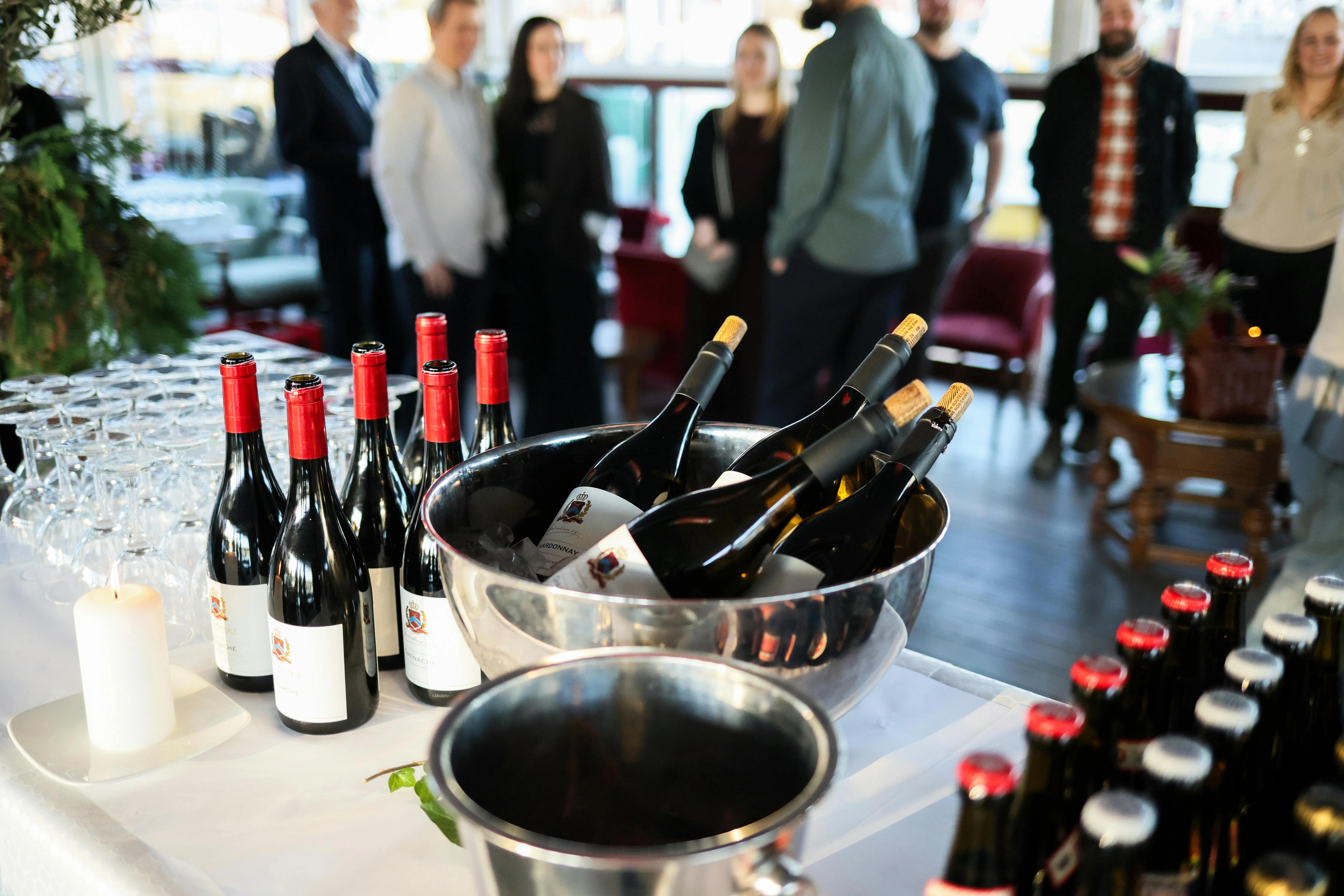
The number of bottles you’ll need will depend on the type of event you're hosting.
Dinner Party (2–3 glasses per person)
For a sit-down dinner where wine accompanies food, budget half a bottle per person. So, a table of 6 wine lovers needs 3 bottles. And always round up. Guests often remember running out mid-meal.
Wine Tasting (1 bottle per 10–12 tasters)
At a structured tasting with 2-ounce pours, a single 750 ml bottle serves 12 tasters. Professional sommeliers and wine educators use this format to cover a wide range of bottles.
Cocktail Reception (1 glass per person per hour)
The standard catering rule is one glass per person per hour. A 2-hour reception for 20 guests requires 40 glasses (8 bottles). Add 10–15% as a buffer.
Pour Size, Glass Shape, and Why It All Connects
Wine serving size is only half the story. What you pour into matters as much as how much you pour. The bowl shape determines how much surface area the wine has to breathe and how the liquid hits your palate. This is why professional sommeliers are particular about glassware.
How the Right Glass Elevates the Experience
The Audacem Aequilibrium Wine Glass takes that attention to detail further. With a 360° pivot base, it keeps the wine in a state of continuous motion called kinetic aeration.
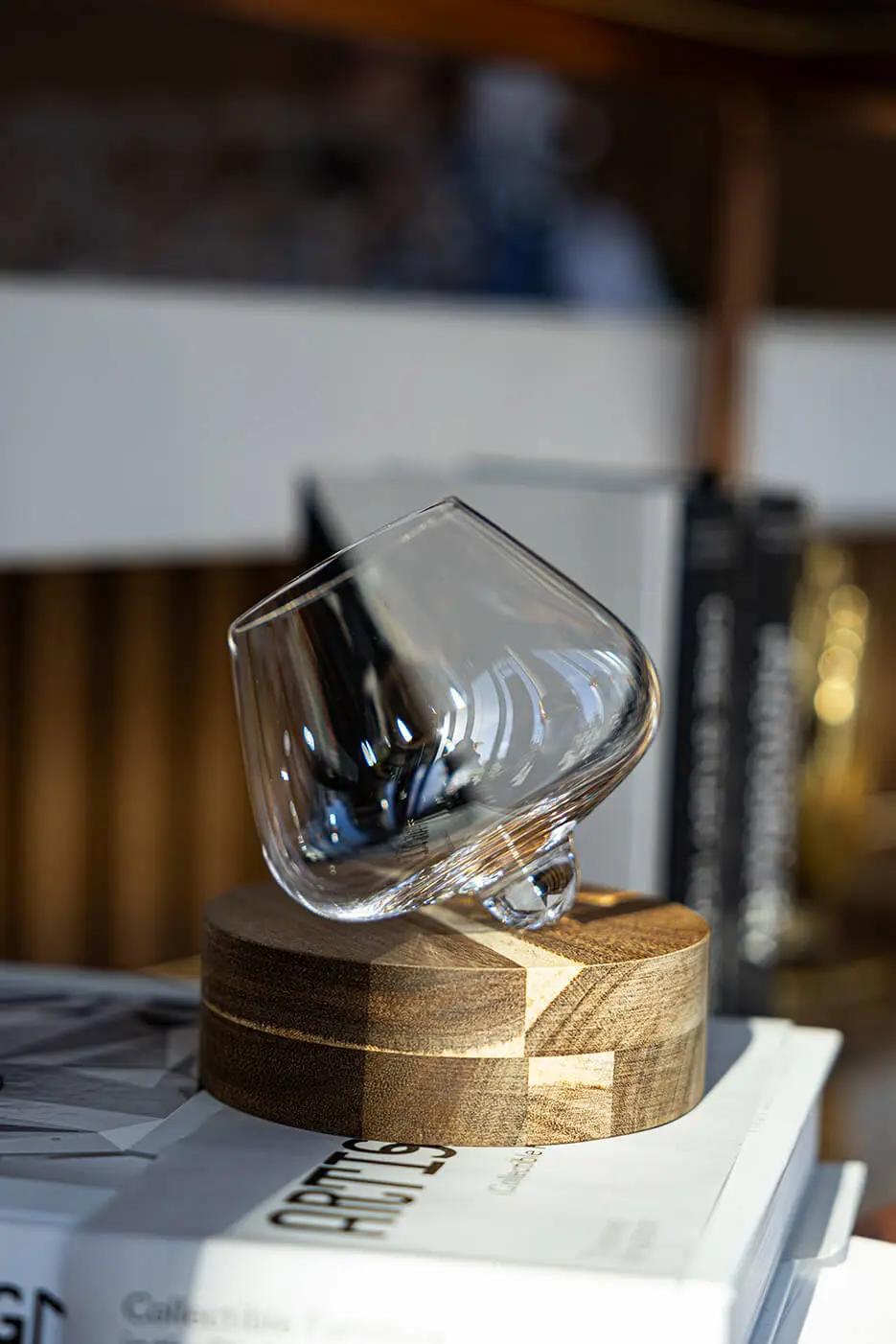
Rather than waiting for a static pour to open up over 20 minutes, the movement of the glass speeds up the process in real time. This softens tannins and lifts aromatic compounds with every sip. This design detail makes a mid-range bottle perform above its price point.
To learn more about how our Aequilibrium Glasses work, read: Aequilibrium Glasses by Audacem: Hand-Blown Crystal Glasses.
Frequently Asked Questions
How many glasses of wine are in a standard 750ml wine bottle?
For a standard bottle of wine (750 ml/25.4 ounces), the regular 5-ounce pour gives you exactly 5 glasses.
How many glasses are in a bottle of Champagne or sparkling wine?
Sparkling wine comes in 4-ounce pours to preserve the carbonation. This gives you 6 glasses from a standard bottle.
How many glasses are in a magnum of wine?
A magnum holds 1.5 liters (double a standard bottle). At a 5-ounce pour, that's 10 glasses.
How many bottles of wine should I buy for a dinner party?
Budget half a standard-size bottle per person for a sit-down dinner. A table of 6 needs 3 bottles. Always round up to avoid running out mid-meal.
Does the type of wine change how many glasses you get per bottle?
Yes. Still red and white wines yield 5 glasses at 5oz. Sparkling yields 6 glasses at 4oz. Dessert and fortified wines produce 8–10 glasses.
How many mL is a standard glass of wine?
A standard glass of wine is 150ml (5 ounces). Health authorities worldwide use this number to define one standard drink at 12% ABV.
Does ABV affect how many glasses I should pour?
ABV affects how many standard drinks are in each glass, not the volume. If you're tracking intake, check the ABV and adjust accordingly, or look for the standard drinks count on the label.
How many glasses of wine per day is considered moderate?
U.S. Dietary Guidelines define moderate drinking as up to one glass per day for women and up to two glasses per day for men based on a standard 5-ounce pour at around 12% ABV.
How many glasses of wine does it take to feel the effects?
For most people, the effects of alcohol become noticeable after one to two standard glasses. However, this varies based on body weight, eating habits, metabolism, and ABV.
Shop Quality Wine Glasses at Audacem
-
Red WineRegular price From $42.99 USDRegular priceUnit price per
$86.00 USDSale price From $42.99 USDSale -
Spirits & LiquorsRegular price From $39.99 USDRegular priceUnit price per
$80.00 USDSale price From $39.99 USDSale -
UniversalRegular price From $42.99 USDRegular priceUnit price per
$86.00 USDSale price From $42.99 USDSale -
Spirits & Red WineRegular price From $110.00 USDRegular priceUnit price per