
What Is the Best Wine Decanter?
- The best decanter is a wide-based, lead-free crystal or glass vessel that holds a full 750 ml bottle of wine. It should pour without dripping and aerate the liquid within 30–60 minutes.
- For bold reds, choose a decanter with a broad base and wide bore (the opening in the neck).
- For older bottles, a narrower vessel with gentle airflow protects the wine’s aromas and flavors.
- For gifting or display, a hand-blown crystal decanter with a sculptural form brings both function and beauty.
The 7 Best Wine Decanters at a Glance
- Best Overall: Audacem Aequilibrium Crystal Wine Decanter. Hand-blown, lead-free crystal decanter with a sculptural design.
- Best Classic Design: Le Chateau Wine Decanter. Classic wide-base design and lead-free crystal.
- Best Decanter for Aged Wines: Riedel Wine Friendly Decanter. Narrow body with gentle aeration.
- Best for Sediment: Riedel Cabernet Decanter. With sloped sides that trap sediment cleanly.
- Best Value: Godinger Wine Decanter Carafe. The angled spout and wide base produce a drip-free pour at an affordable price.
- Best With Accessories: RBT Wine Decanter With Wooden Coaster. Striking modern design, with a built-in aerator and acacia base.
- Best Decanter-Preserver Combo: Eto Wine Decanter and Preserver. Aerates on the way in and preserves for up to 10 days.
The 7 Best Wine Decanters: Full Reviews
1. Audacem Aequilibrium Crystal Wine Decanter — Best Overall
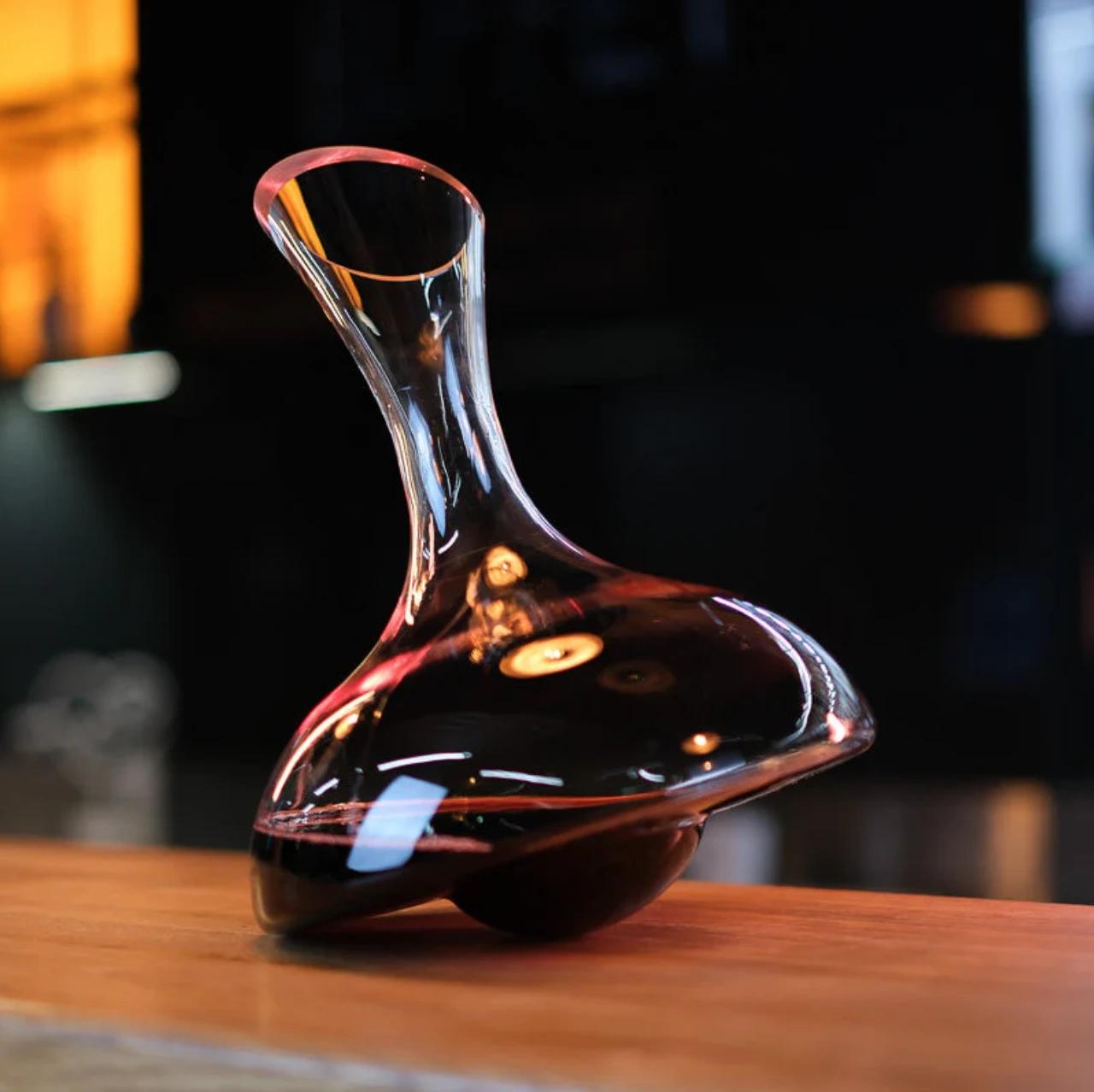
The Audacem Aequilibrium Crystal Decanter is specially crafted to balance form and function. Hand-blown from lead-free crystal, it features a sculptural form that stands out on any table.
The wide base maximises wine surface area for full aeration. The long neck allows precise pouring. And the crystal clarity lets you catch sediment easily.
For everyday use, special occasions, or as a gift, this decanter makes every moment feel complete.
Best for: Special occasions, gifting, collectors, design-conscious wine lovers
Material: Hand-blown lead-free crystal glass
Capacity: 79.46 oz
Dimensions: 8.66 × 10.82 inches
2. Le Chateau Wine Decanter — Best Classic Design
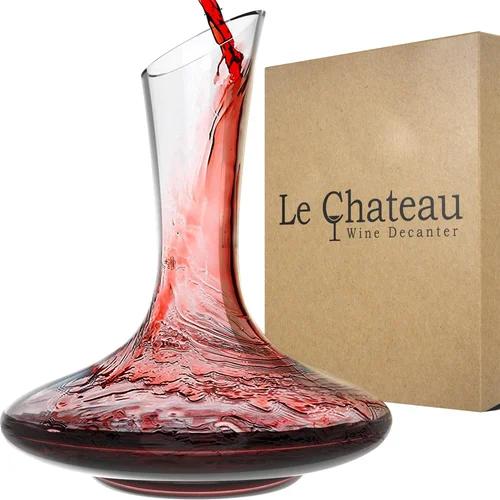
The Le Chateau is a classic: long neck, wide bell-shaped base, and an angled spout. It’s hand-blown from lead-free crystal and holds a full 750 ml bottle. The wide base allows sediment to settle cleanly. The long neck gives a clear view of particles before they reach the glass.
Best for: Everyday red wines, full-bodied varietals, home entertaining
Material: Lead-free crystal
Capacity: 32 oz
Dimensions: 8.5 × 10 inches
3. Riedel Wine Friendly Decanter — Best for Old Wines
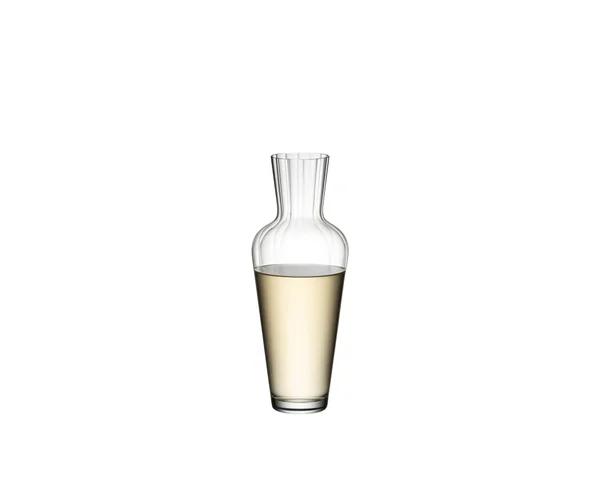
Older wines are fragile. The Riedel Wine Friendly Decanter keeps this in mind. The narrower body limits surface area. The flared neck allows controlled airflow. The lightweight design also makes it easy to hold by the base.
Best for: Aged reds, delicate Pinot Noir, white wines
Material: Crystal glass
Capacity: 46.5 oz
Dimensions: 4.25 × 11.22 inches
4. Riedel Cabernet Decanter — Best for Sediment Separation
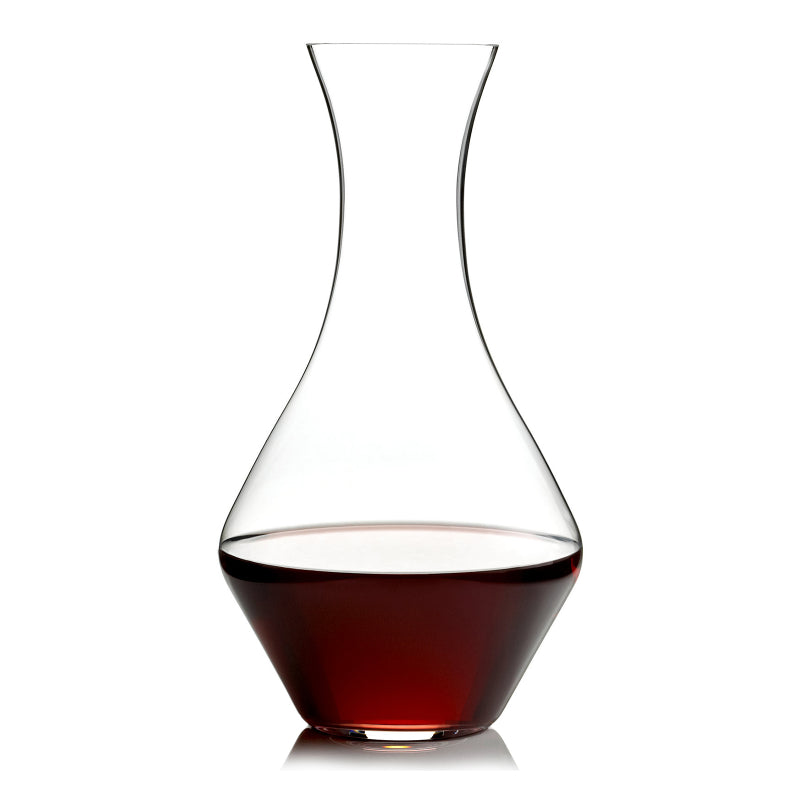
Sediment is harmless, but unpleasant in the glass. The Riedel Cabernet Decanter handles this problem well. Its gently sloped sides allow the wine to pour down to the very last drop without inverting the vessel.
Best for: Natural wines, aged Bordeaux, Nebbiolo, Sangiovese
Material: Glass
Capacity: 37 oz
Dimensions: 5.15 × 9.45 inches
5. Godinger Wine Decanter Carafe — Best Value
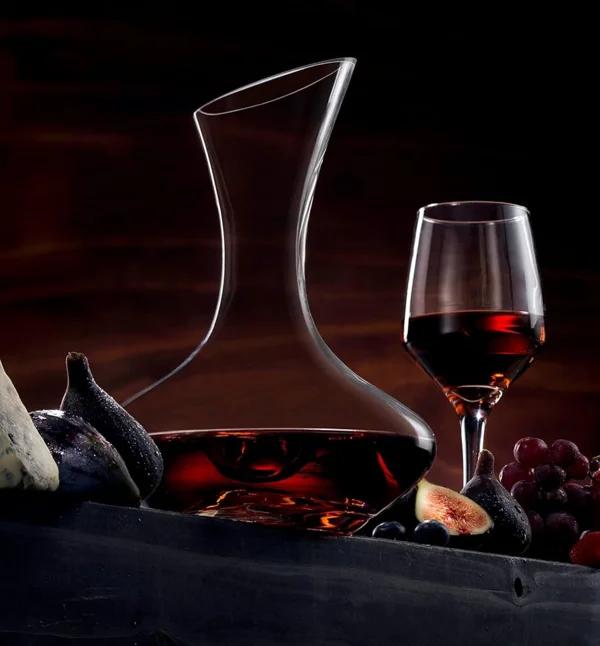
At ~$25, the Godinger is the most accessible decanter on this list. The flared neck makes splash decanting easy (pouring the wine in at speed to maximise oxygen contact). The sloped sides catch sediment before it reaches the glass.
Best for: Everyday drinking, beginners, budget-conscious buyers
Material: Glass
Capacity: 25.6 oz
Dimensions: 8.5 × 10.3 inches
6. RBT Wine Decanter with Wooden Coaster — Best With Accessories
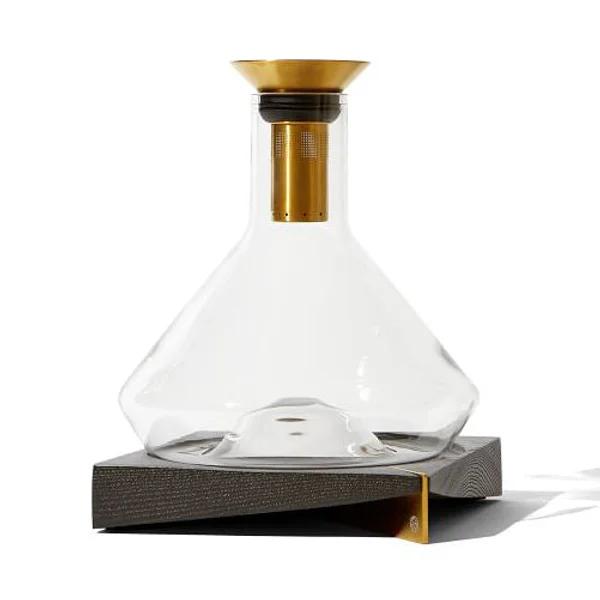
The RBT has an angular, modernist style. It features a brushed gold aerator at the top and a dark acacia wood base. The aerator sends wine down the interior walls, starting aeration immediately. Made from borosilicate glass rather than crystal, it is more durable and dishwasher-safe.
Best for: Gifting, dinner parties, magnum bottles
Material: Borosilicate glass
Capacity: 81.5 oz
Dimensions: 8 × 11.25 inches
7. Eto Wine Decanter and Preserver — Best Decanter-Preserver Combo
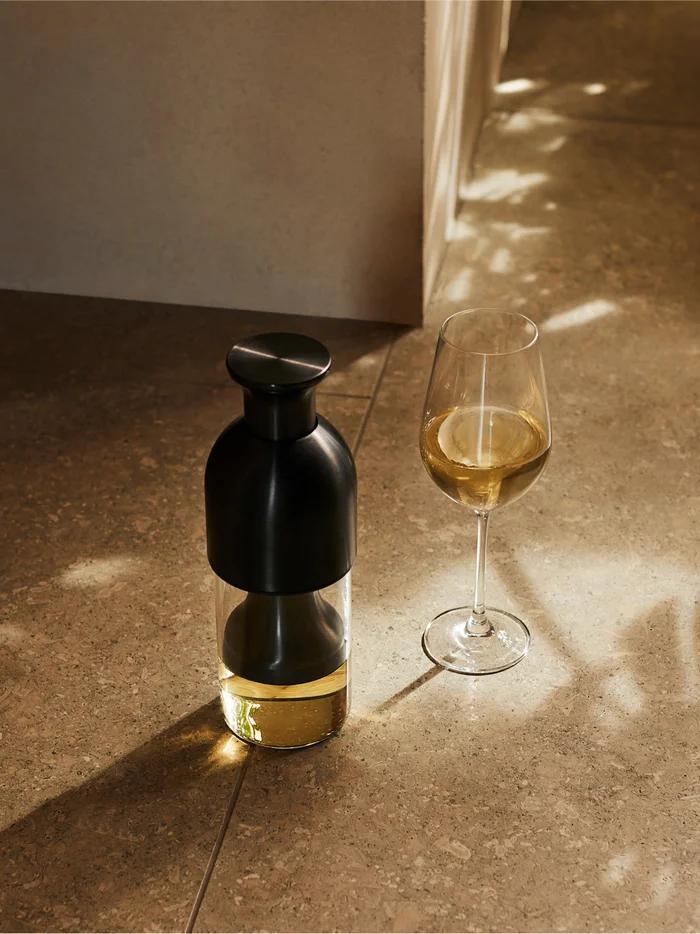
The Eto aerates wine as it pours through the long neck chamber. It then preserves what remains by displacing oxygen via a plunger mechanism. It can keep the wine fresh for up to 10 days. At ~$209, it is the most expensive functional decanter on this list.
Best for: Solo drinkers, premium bottles, those who rarely finish a bottle in one evening.
Material: Borosilicate glass, stainless steel
Capacity: 22 oz
Dimensions: 12.9 × 3.62 inches
Elevate Every Bottle You Open
The Aequilibrium Crystal Decanter. Hand-blown, lead-free crystal engineered for full aeration and table presence.
Shop the Aequilibrium CollectionWhy the Right Decanter Makes a Measurable Difference
How useful is a decanter? Wine decanters transform what ends up in your glass in ways that are measurable, repeatable, and genuinely significant. To things happen:
- First, oxygen begins to interact with the wine's chemical compounds. This softens harsh tannins and brings out the fruit, herb, and spice notes.
- Second, any sediment settles to the base of the decanter, leaving the wine above it clear and clean.
A standard wine bottle has a bore of just 18.5 mm. At that diameter, oxygen exchange is slow even after removing the cork. A decanter helps increase the surface area of the wine and the size of the opening. This speeds up aeration from several hours to under an hour for most red wines.
How to Choose a Wine Decanter: A Complete Buying Guide
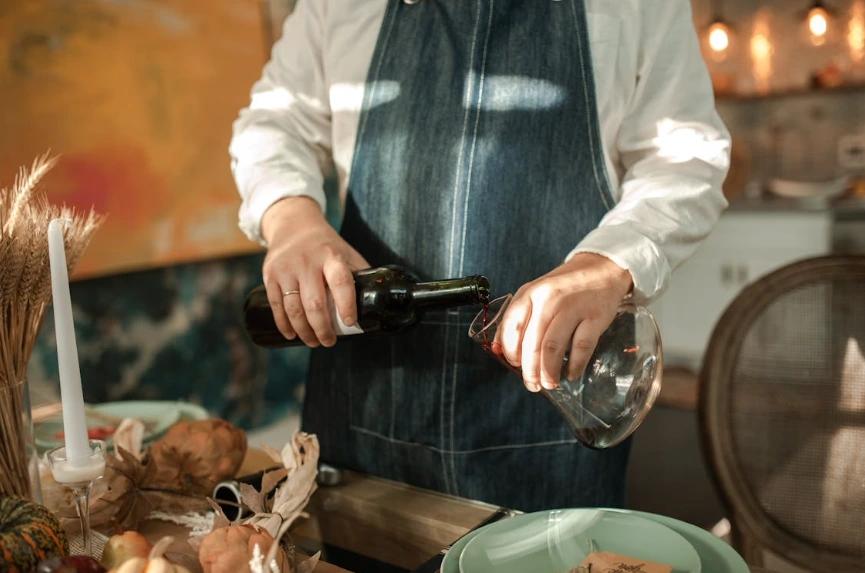
Here’s what to consider when shopping for wine decanters:
- Shape and Base Width. A wide base maximizes surface area for bold reds. A narrow body suits older wines needing controlled oxygenation. Also consider the bore: wider for aggressive aeration, narrower for delicate wines.
- Crystal vs. Glass. Crystal is thinner and more elegant but requires hand-washing. Standard glass is durable and often dishwasher-safe. Borosilicate sits in between.
- Capacity and Size. Most decanters hold a standard 750 ml bottle, but go 60 oz+ if you regularly open magnums. A 25–35 oz decanter is plenty for solo or paired drinking.
- Pouring and Balance. Look for a neck of at least four inches and an angled rim for a clean pour. A longer neck helps reduce strain when lifting a full decanter.
- Cleaning and Maintenance. Rinse with warm water immediately after use. For stubborn stains, swirl stainless steel cleaning beads with warm water. Avoid soap, as it can affect the wine's aroma next time.
Pro tip: The Audacem Aequilibrium Decanter takes each of these considerations into mind. So, if you are looking for one decanter that handles your everyday Merlot and a special-occasion Barolo, this is where we suggest you start.

Aequilibrium Decanter
• Transform your special occasions into unique wine tasting experiences with the perfect addition to your Aequilibrium glassware collection.
• One-of-a-kind italian design that allows the full bouquet of aromas to unfold perfectly.
• Receive a true masterpiece; each decanter is meticulously hand-blown by master artisans, offering an exquisite piece of authentic craftsmanship.
• Impress your guests on any occasion and rediscover the pleasure of sharing a glass with friends.
• Offer the perfect gift with our reinvented gift box, thoughtfully packaged and designed for an impressive presentation.
How Long to Decant Wine: A Guide by Wine Type
As a general rule, the more tannic and full-bodied the wine, the longer it benefits from decanting. The older and more delicate the wine, the shorter the window before exposure strips its character.
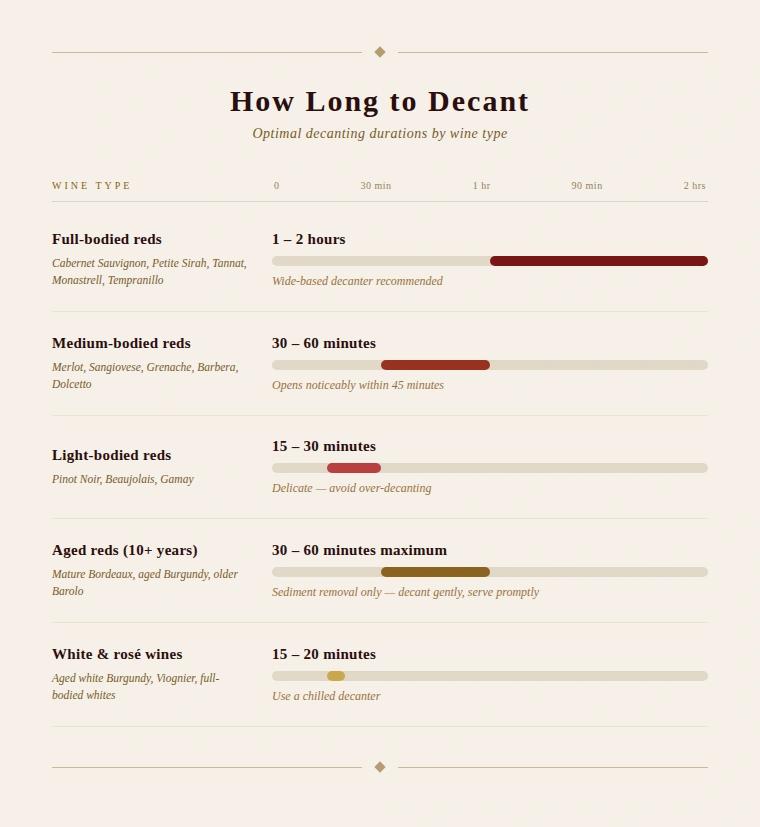
- Full-bodied red wines (Cabernet Sauvignon, Petite Sirah, Tannat, Monastrell, Tempranillo): 1–2 hours. These wines have high tannin levels that need extended oxygen exposure to soften. Use a wide-based decanter.
- Medium-bodied red wines (Merlot, Sangiovese, Grenache, Barbera, Dolcetto): 30–60 minutes. A medium-sized decanter works well. Most will open noticeably within 45 minutes.
- Light-bodied red wines (Pinot Noir, Beaujolais, Gamay): 15–30 minutes. These wines are more delicate and can lose their freshness if over-decanted. Use a smaller or chilled decanter.
- Aged red wines (10+ years): 30–60 minutes maximum. The goal here is sediment removal, not aeration. Decant gently and serve promptly.
- White and rosé wines: 15–20 minutes in a chilled decanter. Not all whites need decanting, but those that smell slightly sulfuric or taste flat can improve. Full-bodied whites like aged white Burgundy or Viognier respond well.
When Not to Decant — and When a Decanter Is Not Enough
Decanting is not always the right move. Sometimes, a different approach serves the wine better.
- Very old, fragile wines (20+ years). These wines have already undergone extensive oxygen exposure in the bottle. Too much oxygen too quickly can cause them to collapse. Decant briefly for sediment only, then serve immediately.
- Sparkling wines. Never decant sparkling wine. The carbonation dissipates rapidly on contact with air. Serve directly from the bottle into a chilled glass.
- When the wine is already open. If a wine has been open for more than a day, decanting will accelerate its decline rather than improve it.
- For tight wines. For young, high-tannin reds, even two hours in a decanter may not fully open them. In these cases, a wine aerator can aid the decanting process.
Frequently Asked Questions
What does a wine decanter actually do?
A wine decanter increases the wine's exposure to oxygen. This softens harsh tannins, carries off sulfuric aromas, and brings forward the fruit, herb, and spice notes. It also allows sediment to settle at the base. The result is a wine that tastes more open and expressive than it would straight from the bottle.
How long should wine sit in a decanter?
It depends on the wine. Full-bodied reds like Cabernet Sauvignon benefit from 1–2 hours. Medium-bodied reds like Merlot or Sangiovese need 30–60 minutes. Light reds like Pinot Noir are ready in 15–30 minutes. Aged wines (10+ years) should be decanted briefly (30–60 minutes maximum) just to remove sediment. White wines that benefit from decanting need only 15–20 minutes in a chilled vessel.
Should you decant white wine?
Yes, in some cases. White wines that smell slightly sulfuric, taste flat, or feel overly sharp can benefit from 15–20 minutes in a chilled decanter. Full-bodied whites like aged white Burgundy, Viognier, or white Rhône blends respond well. Lighter, aromatic whites like Sauvignon Blanc or Pinot Grigio are better served straight from the bottle.
Wine decanter vs carafe: What's the difference?
A decanter is specifically designed for wine aeration and sediment separation. It typically has a wide base, a narrow neck, and a shape that maximises wine surface area. A carafe is a simpler serving vessel with a wider mouth and a more cylindrical shape. It's made for pouring rather than aerating and is often used for water or everyday table wine.
How do you clean a wine decanter?
Rinse with warm (not hot) water immediately after use to remove residue before it dries. For stubborn red wine stains, fill the decanter with warm water and a handful of decanter cleaning beads and swirl vigorously. Avoid soap, as it can affect the wine's aroma on the next use. Dry by resting the decanter upside down in a bowl lined with a clean cloth, or use a decanter drying stand.
Is crystal better than glass for a wine decanter?
The answer depends on your preference. Crystal decanters are thinner, clearer, and more elegant. They make it easier to see sediment, and they look great on the table. Standard glass is more durable, often dishwasher-safe, and better for everyday use. Borosilicate glass sits between the two.
Can you decant wine too long?
Yes. Overexposure can make the wine taste flat, dull, or overly alcoholic. If you are unsure, taste the wine every 20–30 minutes after decanting and serve it when it tastes best. For very old wines, err on the side of less time.
Shop Our Bestselling Decanters, Wine Glasses, and More
-
Red WineRegular price From $42.99 USDRegular priceUnit price per
$86.00 USDSale price From $42.99 USDSale -
Spirits & LiquorsRegular price From $39.99 USDRegular priceUnit price per
$80.00 USDSale price From $39.99 USDSale -
WoodRegular price From $38.99 USDRegular priceUnit price per
$78.00 USDSale price From $38.99 USDSale -
 Sold outCeramicRegular price From $33.99 USDRegular priceUnit price per
$68.00 USDSale price From $33.99 USDSold out