
Corporate Gifting in 2026: At a Glance
Corporate gifting in 2026 is moving away from bulk orders and branded items toward high-quality gifts. The six trends driving this shift are:
- Micro Moments — smaller, more frequent gifts that stay in daily rotation
- Accessible Premium — quality materials and clean design over logo-heavy merchandise
- Sustainable Gifting — eco-conscious choices that reflect brand values, not just budgets
- Personalization at Scale — customized gifts that feel chosen, not mass-produced
- Smart Functionality — practical gifts that solve problems and earn a permanent spot on the desk
- Wellness-Minded Giving — gifts that show care for the whole person, not just the transaction
From changing employee expectations to rising sustainability standards, new research and industry reports reveal how corporate gifting is evolving in 2026. Here's what HR, marketing, and event leaders need to know.
Why Corporate Gifting Is Changing in 2026
Corporate gifting is a $306 billion global industry. Most of it misses the mark. Companies spend real money on gifts that end up in a drawer, donated to a charity bin, or quietly discarded by the end of the week. The problem is not the budget. It is the approach.
The corporate gifting news coming out of 2026 tells a consistent story: recipients respond to gifts that feel chosen, not assembled. They notice quality. They notice timing. They notice when a gift fits their actual life rather than a procurement checklist.
According to the Incentive Research Foundation's 2026 Industry Outlook, over 90% of organizations across North America and Europe entered 2026 with a positive economic outlook, and 65% of North American programs expect the number of recipients receiving non-cash rewards to grow. The gifting market is expanding. The question is whether the gifts themselves are keeping pace.
This article covers the six trends reshaping corporate gifting right now, what the data says about each one, and what they mean for companies that want their gifts to actually land.
Trend 1: Micro Moments — The Little Treat Era Has Arrived

The single annual gift is losing ground. Companies are now building corporate gifting strategies around smaller, more frequent touchpoints spread across the year. A compact gift that reaches someone in March performs better than a holiday hamper that arrives alongside a dozen others in December.
The items driving this trend are practical and portable. Compact drinkware, clip-on accessories, collectible desk pieces, and small lifestyle upgrades work well. These are things people use every day, carry in their bags, and leave on their desks. They keep a brand visible without feeling promotional.
Research from Harvard Business Review confirms that small, timely recognition moments can help improve employee motivation. The most effective gestures are specific, well-timed, and do not need a large budget. Frequency matters more than size.
For event teams, micro moment items travel well and budget easily at scale. For HR teams, they create a system of recognition that a single annual gift cannot replicate.
Trend 2: Accessible Premium — Quality Over the Logo
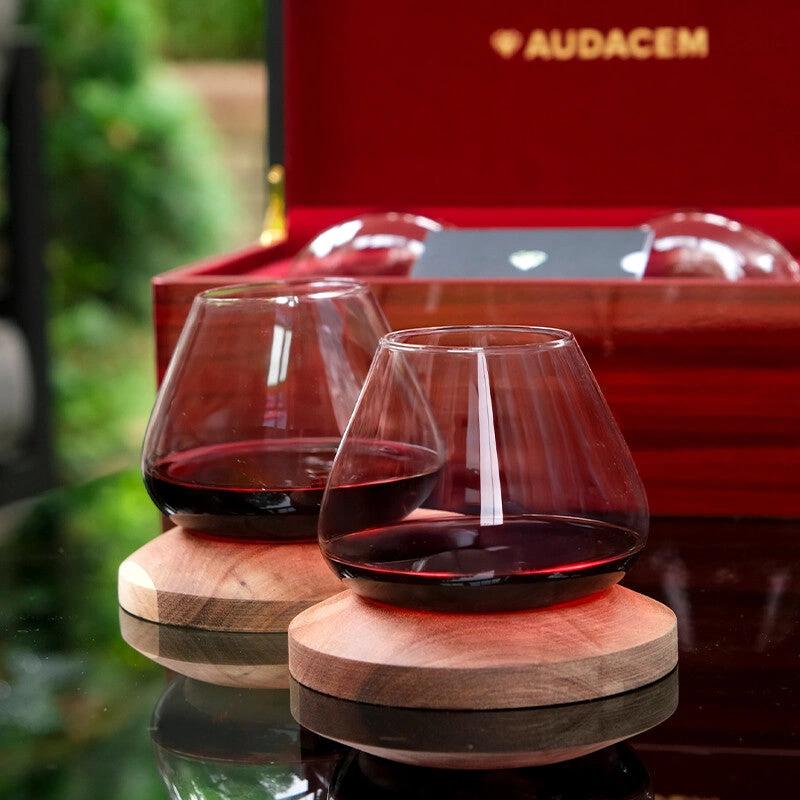
The accessible premium trend reflects a broader shift in how people perceive value. That is, quality of materials and design over the prestige of a label. Recipients are not impressed by a brand name on a box. They prefer something that looks and feels well-made.
This means choosing gifts with clean design, neutral color palettes, and quality construction. All these signal sophistication without the luxury price tag. A well-made structured tote, a modern water bottle, or refined glassware are effective choices.
Gifts that do not look corporate earn use in public. A recipient who carries a well-designed item into a meeting becomes a brand ambassador without any effort on the company's part. The gift earns its keep even after the initial send.
Premium drinkware sits at the center of this trend. Hand-crafted glassware, in particular, feels elevated without needing a big budget. The Aequilibrium Glass Collection from Audacem is a strong example. Each piece features lead-free crystal, a distinctive design, and a price point that works for client gifting at scale. Audacem offers fast quotations on bulk orders.
A Gift That Earns Its Place Every Day
Hand-blown lead-free crystal with a pivot base that aerates every sip. Built for the gift that gets used, not stored.
Request Your Corporate Gifting QuoteTrend 3: Sustainable Gifting — From Nice Idea to Real Expectation
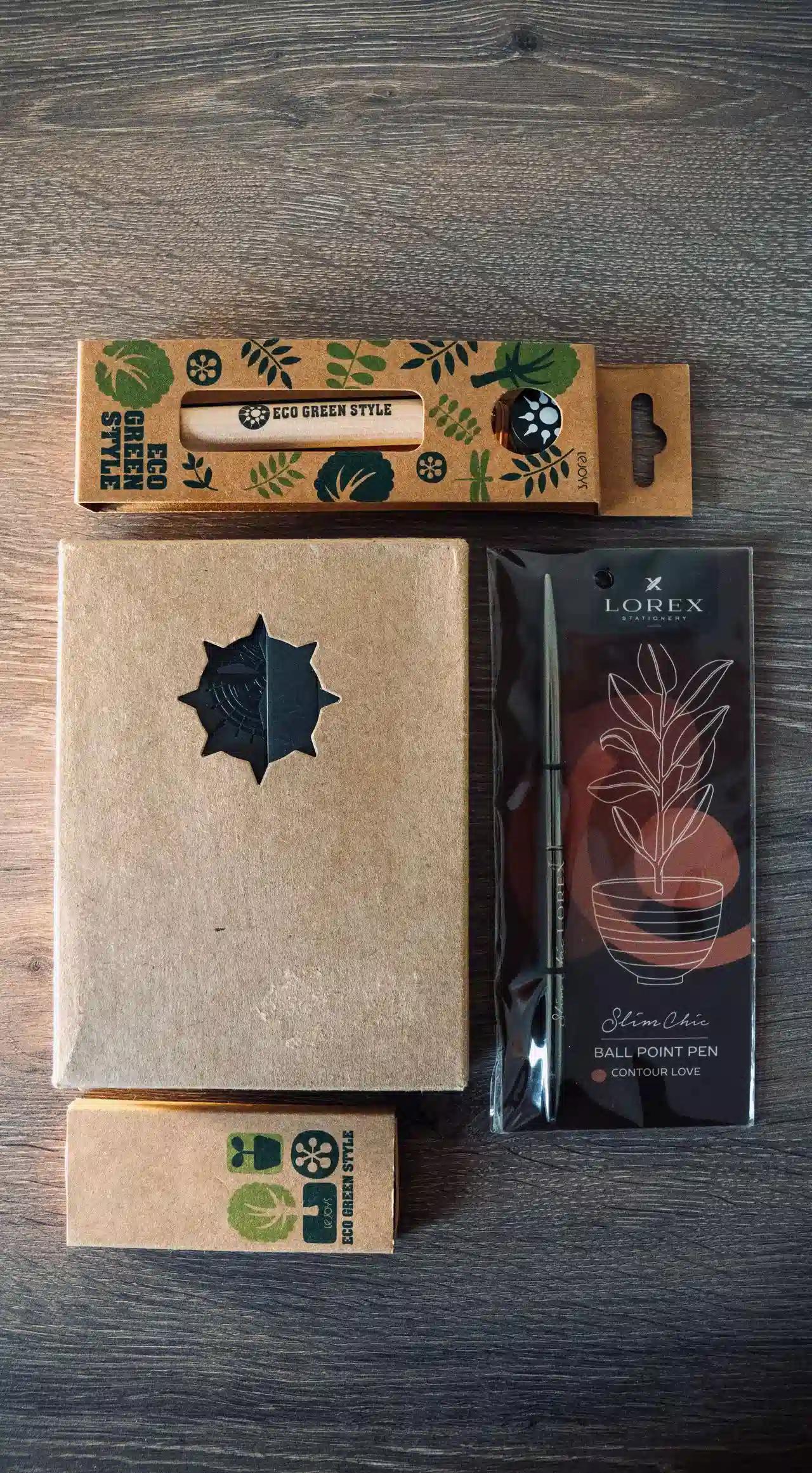
In 2026, sustainable gifting is an expectation. Procurement teams now include sustainability in their gifting decisions. Recipients notice when packaging is wasteful and when a gift can be easily discarded.
The shift is obvious in buying behavior. Companies are choosing fewer items but better ones. They're buying gifts built from responsible materials and that last longer. This approach reduces the environmental footprint of a gifting program while increasing the value of each item sent.
Locally sourced gifts, in particular, are gaining traction in event gifting. The IRF's 2026 Industry Outlook notes that locally sourced gifts help attendees remember the destination while also reflecting cost savings and reduced shipping impact. The logic extends to broader gifting programs.
Durable, reusable items score well on every sustainability metric. A piece of quality glassware, for example, replaces disposable alternatives indefinitely. It generates no recurring waste and carries a story of craftsmanship that aligns with the values most companies want to project.
Trend 4: Personalization at Scale — Chosen, Not Assembled
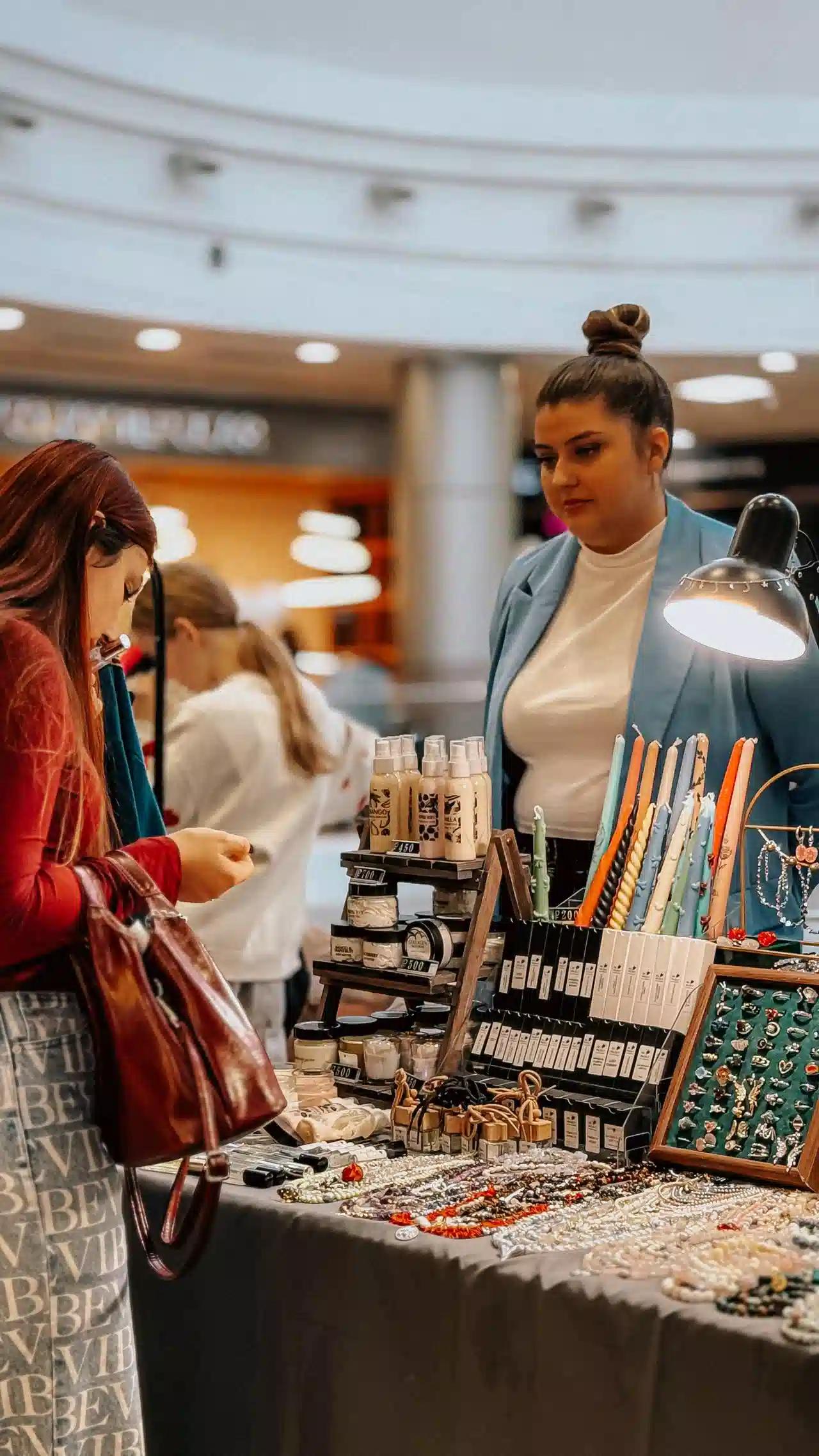
Generic gifts do not work anymore. Recipients can tell when something came in bulk. In 2026, personalization separates a gift that works from one that fails.
The latest corporate gifting news points toward a common theme: fewer gifts, better experiences. Personalization in 2026 goes well beyond a name on a product. The trend is toward experiential gifting that lets recipients make something their own.
A charm bar at a conference, a color selection for drinkware, or an eGifting platform that lets employees choose works well. These approaches turn a standard giveaway into a memory.
The data supports this direction. Research cited in the Forbes State of Customer Service and CX Survey found that 81% of customers prefer companies that offer personalized experiences. That preference does not stop when someone opens a gift from their employer or a client.
For HR teams, offering choice shows that individual preferences matter. For marketing teams, live customization activations at events create a real connection between the brand and the people it is trying to reach.
Also read: Best Corporate Gift Options for Every Budget and Occasion
Trend 5: Smart Functionality — Gifts That Solve Real Problems
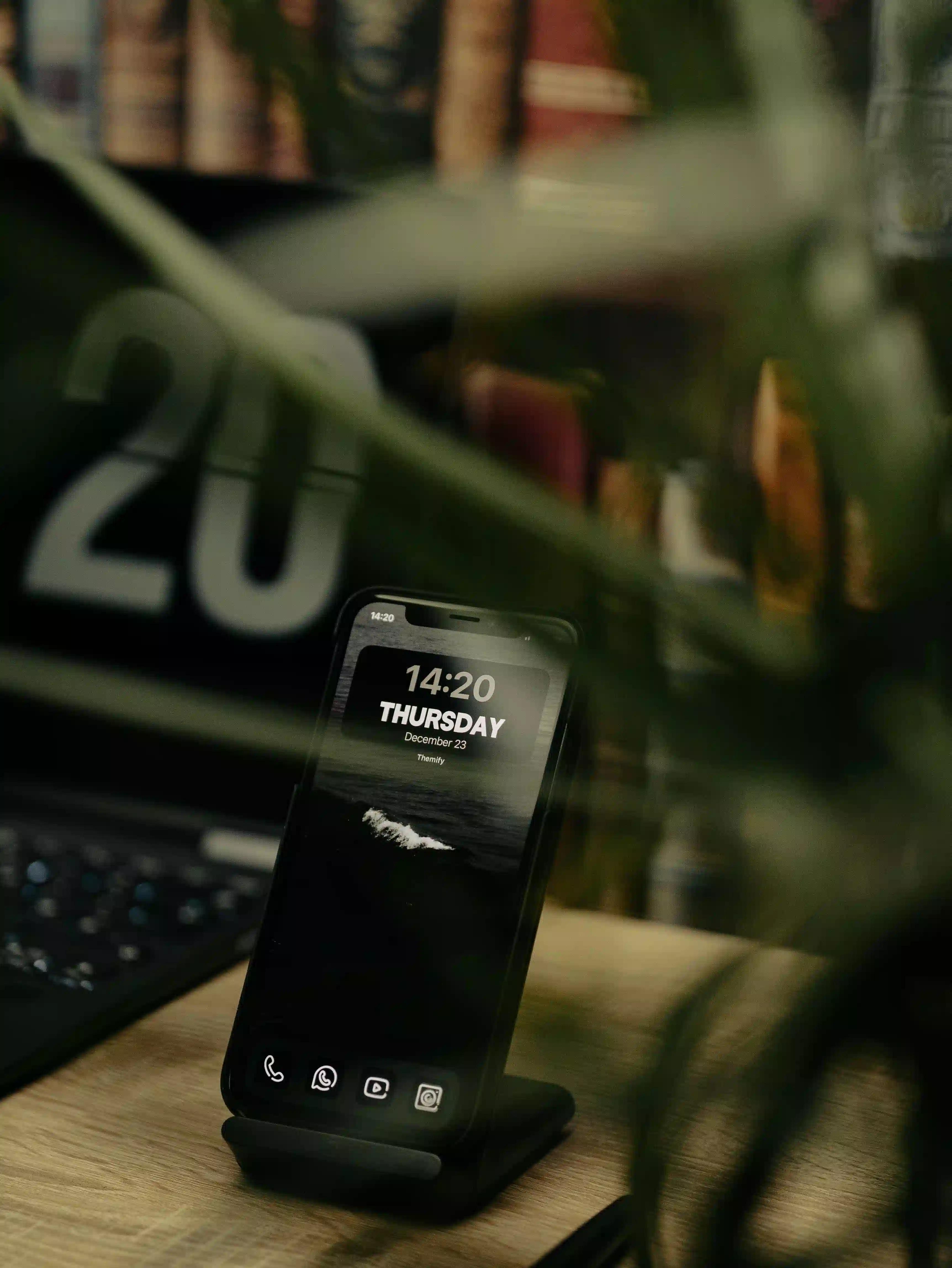
Smart functionality means products with utility built in. Recipients are busy, and their homes and desks are full. The gifts that earn a spot in their daily routine do more than one thing well.
Consider a compact multi-device charger that fits in a carry-on, or a bag designed for the gym and the office. Drinkware with interchangeable lids for hot or cold beverages also works well. These gifts get noticed because they are useful every single day.
The 2026 ASI Global Advertising Impressions Study found that a typical promotional product generates 3,300 brand views over its lifetime. And useful items drive the highest recall and retention rates. In other words, practical gifts not only get kept, but seen, too.
For executive gifting or high-value client moments, smart functionality shows that your team put thought into the selection. For remote and hybrid workforces, it means sending something that improves the workday.
Trend 6: Wellness-Minded Giving — Care That Feels Genuine
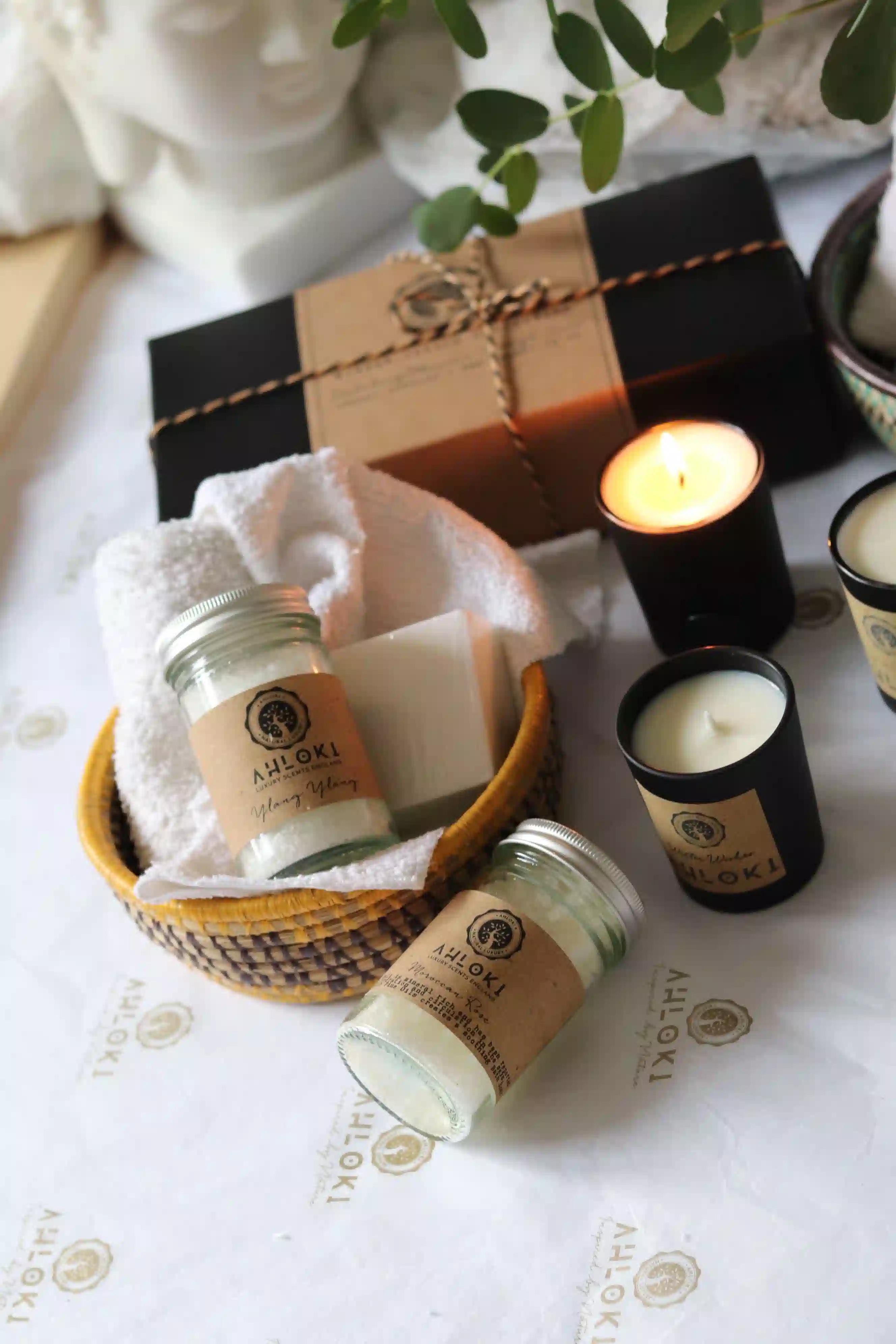
The best wellness gifts in 2026 are practical, calming, and designed for daily life. They tell the recipient that the company sees them as a whole person and not a mere transaction. Wellness-minded gifting is not about sending a branded yoga mat with a logo across it. It is subtler than that, and more effective.
Quality hydration products, soft comfort items, desk plants, and home accessories all fit this category. So does premium glassware. A well-made wine glass or whisky glass is a wellness gift in the truest sense. It improves the quality of a moment the recipient already values.
Corporate gifting statistics from Gallup's employee wellbeing research support this trend. Findings show that employees who strongly agree their organization cares about their wellbeing are 69% less likely to be actively searching for a new job. When an employee gifting strategy shows care, it builds retention.
For HR teams, this corporate gifting trend is especially worth exploring for onboarding kits, Employee Appreciation Day, and retention-focused programs. A gift that says 'we care about how you feel' lands very differently than a gift that says 'here is a thing with our logo on it.'
Also read: Best Corporate Gift Ideas for Clients & Employees
How to Build a Corporate Gifting Strategy Around These Trends

The six corporate gifting trends above do not need a steep budget. What they need is a clear strategy. The companies that gift well in 2026 do three things correctly. They map their gifting calendar to real moments, choose items with care, and build programs that run consistently. Here is a framework to help build an effective corporate gifting strategy:
Start With the Moment, Not the Product
Identify the key gifting moments in your calendar. Typical ones include onboarding, work anniversaries, project completions, client milestones, and seasonal campaigns.
Each moment calls for a different approach. A welcome gift should feel warm and personal. A client milestone gift should feel considered and elevated.
Choose Use Over Flash
A gift that improves someone's routine earns more goodwill than one that impresses for a moment and then disappears. Ask whether the recipient will reach for this item tomorrow, next week, and six months from now. If the answer is yes, the gift is doing its job.
Let Quality Carry the Message
Subtle branding on a well-made item outperforms a large logo on a mediocre one. The accessible premium trend builds on this principle. When the product itself is worth keeping, the brand association follows naturally. The gift does not need to announce itself.
Think Beyond One-Time Gifting
The frequency and consistency of recognition matter more than the size of any single gesture. Create a gifting program that runs throughout the year, with smaller, well-timed touchpoints. It builds a stronger relationship than one that concentrates all its effort into a single annual event.
Also read: The Complete Corporate Gifting Guide: 30 Ideas That Work
Frequently Asked Questions
What is the biggest corporate gifting trend in 2026?
The Micro Moments trend is leading the shift. Rather than a single large annual gift, companies are finding greater success with smaller, more frequent items. The idea is that relevance and repetition build stronger connections than size ever could. Compact drinkware, desk accessories, and portable lifestyle items are all performing well in this category.
What makes a corporate gift feel premium without a large budget?
Quality of materials and design are more important than price. A gift with clean lines, a neutral palette, and solid construction communicates taste without needing a luxury spend. Hand-crafted items, in particular, signal effort and intention. A piece of quality glassware, for example, can feel elevated at a price point that works for client gifting at scale.
How do companies approach sustainable corporate gifting in 2026?
The focus has shifted from eco-friendly packaging as a differentiator to durability and origin as core criteria. Companies are choosing fewer items but better ones. They are picking gifts built to last, made from responsible materials, and designed to replace disposable alternatives. Locally sourced gifts are popular in event gifting because they carry a story and reduce shipping impact at the same time.
What corporate gifts work best for remote employees?
Smart functionality and wellness-minded products both resonate well with remote employees. Quality hydration products, comfort items, and practical desk accessories show care for the person behind the screen. Premium drinkware is a strong choice because it improves a moment the recipient already values.
How should companies personalize corporate gifts at scale?
Personalization does not mean a name on every item. Effective personalization shows evidence of thought. Offering recipients a choice within a set budget, selecting items that reflect known interests, or timing a gift to a specific milestone all achieve personalization well. eGifting platforms and live customization activations at events are two approaches that scale well.
What is the right budget for corporate gifting in 2026?
The IRF's 2026 Industry Outlook reports that North American organizations spend an average of $276 per merchandise reward instance, up nearly $100 from previous years. For client gifting, the $75 to $300 range covers most occasions well. The key metric is not spend per gift but perceived value per gift. A thoughtfully chosen $100 item can achieve a higher perceived value than a $200 generic send.
Are branded or unbranded gifts more effective in 2026?
Both have a place depending on the goal. Branded gifts work well for visibility and recognition programs where the connection to your company is the whole point. Subtle branding on a premium item in a neutral color tends to get more use because it does not feel promotional. The accessible premium trend favors letting the product's quality carry the message. The branding is a secondary detail rather than the lead.
Shop the Aequilibrium Glass Collection
-
Red WineRegular price From $42.99 USDRegular priceUnit price per
$86.00 USDSale price From $42.99 USDSale -
Spirits & LiquorsRegular price From $39.99 USDRegular priceUnit price per
$80.00 USDSale price From $39.99 USDSale -
WoodRegular price From $38.99 USDRegular priceUnit price per
$78.00 USDSale price From $38.99 USDSale -
 Sold outCeramicRegular price From $33.99 USDRegular priceUnit price per
$68.00 USDSale price From $33.99 USDSold out